For the last year I have been working through a backlog of Xbox and 360 games that I never played before.
Alongside stone cold-classics like the original Halo or Medal of Honor: Frontline, I decided to pick up a game I had seen on store shelves for nearly two decades; Secret Service.
As the name suggests, the game has the player take on the role of a Secret Service agent protecting the President of the United States of America.
Now, to anyone that frequents game-review videos on YouTube, it might sound odd that I want to play Secret Service.
Even just a cursory glance at its Google page or YouTube search results would indicate it is one of the the worst games ever made.
However, I think with getting older, my priorities within gaming have changed. When I was younger, narrative was the sole thing I was interested in. Then a little older, solid gameplay became the main reason to play.
Nowadays, I’m all about the concept. A log line, a 20-seconds elevator pitch, something that makes me say, “I want to play that right now!”, that’s what will make me try a game out.
It’s not the first game I’ve chosen for its concept. Other games were Medal of Honor (2010), Mafia III, and Assassin’s Creed: Valhalla, all games that were seen as generic in gameplay but had solid concepts, and that alone gave me joy.
If I can see the concept through the game, then I’m sold. So I decided to give Secret Service a try.
“The President is in the crosshairs. Is the assassin in yours?” (Source: gamewatcher.com)
***
“Get Down Mr. President!” – Two Brief Playthroughs of Secret Service
I don’t usually remember the first thought I have about a new game, but I do remember it for Secret Service.
Oh god my eyes!
The game starts at the Lincoln Memorial, where the out-going President is making a pilgrimage to the famous statue, when bang/whizz/flash, terrorists storm the event and shoot the Prez in the stomach.
The player is then armed and told to keep the terrorists back while a helicopter can be flown in to get the President to safety.
Dropping players right into a shootout is an exciting opening, it’s just the gunplay here is lousy.
Whenever I fired a gun when aiming down the sights, the crosshair flinched right into my brain. Hip-firing is even worse, with bullet spread mimicking Jackson Pollock’s painting style.
And the weirdest addition of all, reloading a weapon causes the FOV to focus-rack, blurring everything but the gun. I’ve never seen this before in a game and it’s so confusing…like, why? In what way does that feel good as a player or designer?
Controls aren’t any better. Movement is comparable to a tank stuck in the mud. I quickly headed to the settings to up the sensitivity, but the main thing that enraged me was the walking speed, which felt closer to a tractor than a special agent.
I was not having fun. But I powered on. I had my concept and I was seeing it through.
A cool concept opening that sadly shows the worst of the game (Source: myabandonware.com)
***
The shooting of the outgoing President is only the start of hostilities.
Washington D.C. and the new President are also under attack by foreign invaders, and so it is up to us, Special Agent Pierce, to work our way through famous landmarks in Washington and stop the terrorists by any means necessary.
Onto the second mission, fighting through the halls of Capitol Hill. The core loop in this level is clearing out the terrorists, going room by room, corridor by corridor, retaking the building and disarming some bombs that have been smuggled in.
After the first few rooms, I gave up on the MP5 the game had given me as my primary weapon. The bullet spread was just too bad to play with. I decided to switch back to the service pistol.
And it was here where I found enjoyment for the first time in Secret Service. Using the service pistol, it gave sense of role playing, using the same gear as a proper agent would. Not to mention the pistol had a quick Aim-Down-Sights, meaning I could pick shots easily and decidedly.
I settled into a groove, playing more like original Rainbow Six, cautious movement and small sporadic violence, than the reaction-based fights of Call of Duty.
In general, the game’s vibe actually does lean more towards Rainbow Six. It’s no surprise that the developer of the game, Cauldron HQ, are more well-known for their tactical war games like Arma and Operation Flashpoint, modern military games that focus on hyper-realism.
The game aims more for spectacle than slow-burn gameplay (Source: gamewatcher.com)
***
You can almost see the threads of that pedigree in the game. The quick Time-To-Kill (where enemies can put the player down with one well-placed shot), a dedicated peek button to have a tactical advantage in firefights, and later working as a team to protect the President from harm.
The finale of the second level takes place in the main Capitol Congress Hall, facing enemies firing from the viewing balcony at the cowering politicians below.
It’s a cool set piece, having to move from table to table as the bad guys circle from above before they attempt to storm the ground floor.
One interesting point in this mission is the simple but effective visual design change of the bad guys.
In levels that take place in public, they are usually dressed as civilians. Missions inside government buildings like the Congress level have the enemies wearing militarised vests and holsters, and the final levels have them dressed in full special forces gear as they attempt to take the White House.
It’s just a nice touch showing the coup attempt going from rush attacks to an all-out invasion.
Talking of the invasion, let’s discuss the story of the game…or what is left of one.
A story like this is inherently political; your role and the gameplay is literally saving the President of the most powerful country in the world.
And coming from a developer outside the USA (Cauldron HQ come from the Czech Republic), this might have been an interesting take on how the USA is seen from an outside perspective.
Loading screen text between missions doesn’t do much other and set up the next location (Source: myabandonware.com)
***
The game starts a with a vague and slightly incomprehensible Call of Duty 4-style opening cutscene about a fictional South American country called Costa Sentava.
It’s a smash-cut of new reels and dates, flying through oil fields, attempted coups, biological nerve gas, and possible CIA subterfuge in the country.
Then skip forward to the presidential inauguration and then it’s all, “For El Presidente”…and that’s it.
Sure, there are more twists than an M. Night Shyamalan film about pretzels, with double crosses, fake-out double crosses, and triple crosses that by the end I was more baffled than anything.
The story does have some interesting ideas, but they are all in “Cell Phones” dropped by enemies, essentially CoD4 intel (oh, the beauty of 2008-era technology, where all the pickups are all clam-style flip phones).
These voice messages start out with the Costa Sentavan forces justification for invading, then slowly turning as they learn about the atrocities their comrades are performing, and finally breaking into factions, fighting each other, and attempting to flee back to Costa Sentava.
It’s interesting to read and would have been great to acknowledge in the game. One cell phone voicemail has a terrorist break down after a famous Sentavan poet at the US inauguration is shot dead. It could have been a powerful moment to show, cutscene or not.
All the cutscenes in the game are wireframe briefings, but none make much sense. (Source: YouTube, Global Gaming)
***
Back to the missions. So while my hopes were raised by Mission 2, then were quickly tempered back down again by three huge sewer levels; long grey corridors of supposedly the secret bunker of the President.
It’s here where the game becomes a puzzle platformer as you have to navigate several electric fences and laser trip mines that you can only see with Night Vision goggles.
Night Vision that coincidentally has a limited battery, meaning sometimes you have to wait in the dark for it to recharge.
There are brief moments where the level design is cool, like fighting through bunker offices and break rooms, at one point there is a missile about to be launched that needs deactivating. Who knew that the basement of the White House held a nuclear missile?
Halfway through these sewer levels, the Secret Service think you are a double agent and they begin trying to stop you.
Player character, Special Agent Pierce (voiced by Nolan North, more well-known as Nathan Drake of Uncharted fame) is told to stop heading towards the White House, but goddamit someone has to save the President, and he’s the only one who can!
However, because the other Secret Service agents are simply misguided people following orders, you can’t kill them, and so you can only use a taser to take them out.
Later on there are a mix of Secret Service and Costa Sentavans aiming to kill the player, meaning having to switch weapons constantly between lethal and non-lethal. This would be an interesting subversion of gameplay, if the weapon switch didn’t take an age to do.
Unlike CoD4‘s pistol switch (which, and say it with me now, “is always faster than reloading”), Secret Service has a rack-slide animation every time you equip a gun.
Talking of weapons, they are the default set for a modern military First-Person-Shooter. Pistol, SMG, AK, Assualt Rifle, Shotgun, Sniper, RPG, all that good stuff.
The shotgun is fun and quick, and I’ve already praised the pistol as a prop for roleplay. All the machine guns are terrible, bar the one we get in the final missions of the game.
The sniper surprisingly doesn’t need breath control, which actually is probably for the best. The sticky controls severely impact the gunplay, so to rip another gameplay idea from CoD would be too much.
The iconography of Washington D.C. is used quite well, including the finale at the White House. (Source: gamewatcher.com)
***
The player finally emerges from the three long sewer levels into the White House. It’s a fun segment, the game has given us the best weapons and plenty of cover. Night begins to fall as the Sentavan Special Forces close in, ready to finish the job.
We defend the Oval Office from terrorists coming through the Rose Garden, making quick dashes across the patio to defend different parts of the complex.
The game then tasks us with going up and down stairs and switching from short range engagements to long-range sniper battles, and it actually feels like the game is starting to come together.
Then after a quick helicopter ride on Marine One, where Special Agent Pierce commandeers the machine gun on the side in a very watered-down recreation of the AC-130 mission from CoD4, we arrive at the final mission.
It’s another CoD4 rip-off, this time “Mile High Club”. The Speaker of the House and evil Secret Service agents have taken the President hostage on Air Force One, and you are the only one able to stop them.
Just like “Mile High Club”, it’s a quick dash up and down the plane, shooting anything that moves, and ends with you having to take the shot that kills the bad guy and saves the President.
Fun fact, you can intentionally botch this final shot, giving you a 0G Acheivement titled, “The Exact Opposite of Your Job”.
Everything feels like placeholders and hurts the game’s style. (Source: Video Game Museum)
***
Conclusion
I have mentioned Call of Duty 4 so many times in this retrospective, because for all intents and purposes, this is just a quick CoD clone, released almost one year after CoD4. And hey, it was even published by Activision.
Everything from the titles to the UI feels basic or like placeholder assets, would it have been so hard to give the team the CoD4 engine to CoD4 and reskin it?
Released on 4th November 2008 (the LITERAL day of the US Presidential election, poor-taste-be-damned), this game feels pulled in two directions.
I commented earlier about the more tactical approach to gameplay, and it’s probably what this game was originally going to play like.
But with the election being a perfect marketing gimmick and CoD4 being the game of the decade, the team was probably ordered to follow the market (not the first time a publisher, or even Activision, would have told a team, “make it like CoD.”).
I don’t think this is the worst game ever as so many YouTube videos have described. It’s probably the worst first level I’ve ever played, but when the game manages to get all its cylinders firing in the right direction, it becomes a passable CoD variant.
And conceptually, I was thrilled.
Moving through famous locations like the Lincoln Memorial, Congress, and the White House, playing a role seldom seen in gaming, using some punchy weapons (which on lower difficulties can be fired from the hip with startlingly accuracy, turning Secret Service into a fun Doom mod), I got more than I expected from Secret Service.
I’m not going to say go out and buy it or that it is an underrated gem, I think I more pity it. With more time and a stronger tactical approach, I think it could have found a niche audience.
My childhood curiosity of the game was satisfied and I had some fun in the brief hours it lasted, and that’s all I can ask for.
As the 2020s have rolled on, I enjoy looking back at games from my childhood and teens as they reach important milestones.
I’ve talked before about some big anniversaries, such as the original Assassin’s Creed and its sequel turning ten years old, the Medal of Honor reboot turning fifteen, and Driver reaching twenty.
Another game of my early teens had its 20th anniversary in 2025, and I would love to write about it because as it stands it doesn’t get as much as attention or love today.
Let me introduce you to Fahrenheit: Indigo Prophecy.
Guilt is a Chilling Feeling – Fahrenheit at 20 Years Old
First off, I have to address the name. The original title is Fahrenheit, and is named that Europe. However, the game came out in 2005, a year after the Michael Moore documentary Fahrenheit 9/11.
As to not make American audiences think the game was in any way connected to the film, the game was renamed to Indigo Prophecy, a name that fits the story better, but is 100% less cool than “Fahrenheit”.
And just for clarity and for my sake, I’ll be referring to it as Fahrenheit throughout this look back.
So, what is this game and why do I love it?
Fahrenheit was created French developer Quantic Dream, more well known nowadays for their games Heavy Rain, Beyond: Two Souls, and most recently, Detroit: Become Human.
Quantic Dream games are focussed heavily on their cinematic quality, featuring long, winding stories connecting several characters, and recently use the voice and performance of Hollywood talent such as Elliot Page, Willem Dafoe, Clancy Brown, and Lance Henriksen.
Fahrenheit is the first game that Quantic Dream tried to make that followed this “cinematic first” aspect, so is a fascinating artefact of a team working on they first of what would be their signature gameplay style.
The gameplay in Fahrenheit is a focussed mainly on quick-time-events that take over for major actions in the game, like performing feats of strength. The other half of the game is filled with dialogue sequences, guiding the story through our choices. But before I get too bogged down in the tech, I want to talk about the story, as it is the high point of the game.
Source: omikrongame.blogspot
***
Fahrenheit is a modern-day murder mystery, where the player works on both sides of the case. One side; the murderer Lucas Kane, who believes he was possessed into killing a random person. The other side: the “smouldering” detective, Carla Valenti, who will hunt down Lucas through the largest snowstorm in history.
The story flies between genres freely, so alongside a murder mystery story we get an occult conspiracy, a hyperaction movie, a “deep” philosophical treaty on humanity, and in the end, an absolute mess of a story.
But however bad and ridiculous is game becomes, the opening is one of the best starts to a game I have ever played. Even for the 15th anniversary, the team at Quantic Dream talked about their favourite moments, and all three team members said the opening.
After sweeping shots over New York City at night, we arrive at Chapter 1: “The Murder”. In the dirty, cold bathroom of “Doc’s Diner”, a man, Lucas Kane hides in a bathroom stall.
Using a knife he had taken from his diner dinner, Lucas carves archaic symbols into his arms, before exiting the stall and heading for the unsuspecting man washing his hands.
As Lucas staggers forward, eyes rolled back in his head, we see a shadowy man surrounded by candles, guiding him through the same actions. Lucas eventually reaches his prey and attacks, stabbing the victim three times in the chest.
As soon as the murder is complete, Lucas is pulled back to reality, and it’s here where the game begins.
The opening is instantly iconic, cementing a player’s interest and establishing a dark, brooding tone over the game. It’s a perfect microcosm of the game that works as its own mini-story, and worked so well the did a very similar thing for the opening of Detroit: Become Human.
Source: blog.quanticdream.com
***
Now a player is in control of Lucas, but what to do? And just to make the situation a little more tense, there is an off-duty police officer having a cup of coffee right outside the bathroom door.
The situation can feel overwhelming at first, but luckily the game guides you subtly with its camera angles. To interact with objects in the world, the character must be within reaching distance from them.
Luckily, Lucas’ starting point allows him to pick up the man and drag him via a QTE into a bathroom stall and close the door. It’s here where another mechanic of Fahrenheit comes into play, the “Sanity Meter”.
Certain actions in the game have a hidden point score attached to them. If the action is something “positive”; taking an aspirin when feeling ill, talking with your estranged brother…or hiding a body you just murdered in a toilet stall, will increase the Sanity Meter.
Doing actions like remembering you killed someone, not kissing your girlfriend on the way out of the door, or losing a game of basketball taking place in sub-zero weather, will deplete the Sanity Meter.
There are six points, 100% (Neutral, because in Fahrenheit nobody is enjoying a moment of their life), then Tense, Anxious, Depressed, Overwrought, and finally Wrecked.
If one of the characters ever “gets rekt” then the game ends. Lucas commits suicide, and the two police officers, Carla and Tyler, resign from the Police Force.
Source: blacknut.net
***
Back to the bathroom, it’s amazing how many permutations there are. This scene was the demo for the game so probably got the most amount of attention paid to it, but it’s amazing how a player can intentionally mess up the story to make things harder for themselves.
The general first level moments are Lucas hiding the body, cleaning the blood on the floor, washing his hands, hiding the knife, paying for his meal, and then leaving (via taxi or subway), with a few extras like playing the jukebox or buying condoms in the bathroom (because why not?).
But if the player wants, they can immediately leave the bathroom in a panic, bloody arms on displayed, knocking into the waitress and alerting the police officer. The police officer starts moving towards Lucas, and now the only way out is through the backdoor.
If you’re not fast enough to escape, Lucas will be caught and the game ends with an iconic line, “That’s the end of my story…”
Lucas will wax lyrical about him, the place he was in, and how everyone thinks he’s a murderer, before you reload the save. Every time you are in a no-win situation it will start with this same phrase, and will become meme-worthy by the end of a play through.
Of course, successfully escaping the police is a different story due to the controls. The characters work on momentum, so you have to hold the directional stick for a very long time to get the character to move, which in chase sequences or moments of action, makes it agonisingly slow.
At least you think the movement could be solved by camera controls, but since we are going for a “cinematic” game, there is no traditional camera moment.
Instead, the player can switch between different camera angles reminiscent of old Silent Hill or Resident Evil games. The problem is with tank controls, switching the camera may switch the direction of travel and make the character do a complete 180 spin.
After a while you get a general sense of it, learning to quickly flick between cameras until you find the optimal one.
Source: blog.quanticdream.com
***
Now that Lucas has escaped the diner, we switch to the other side of the coin, Detective Carla Valenti.
Carla (and partner Tyler Miles) analyse the crime scene and interrogate a witness via a new gameplay mechanic; the dialogue system.
Dialogue trees were nothing new in games, with text-adventures and some RPGs having different dialogues that could be chosen, but having the majority of a game focussed heavily on this one aspect is quite revolutionary for the time.
You have to remember, this game was five to ten years away from the nouveau point-and-click boom that really cemented the concept, with games such as Telltale’s The Walking Dead or ZA/UM’s Disco Elysium.
There is a set path to the dialogue in Fahrenheit, but it isn’t telegraphed, allowing the player to either stumble upon it naturally or make it feel as if the conversations flows that way.
For example, in the Diner when Carla is talking to the off-duty cop that was there, you may talk first about the waitress witness, moving the story forward to the next moment.
But you can also ask about the cop and why he was there, before it segues into conversation of the suspect, to the weapon, and eventually back to the waitress.
And it’s not just conventional optional dialogue, these dialogue trees wind around one another so certain topics will be off-limits if you take a different path. It’s neat and gives a sense of role-playing, acting how you think Carla would talk to people.
The only real downside is how the conversation mechanic works in practice. When a conversation mechanic starts, the game just throws up three or four different topics.
For that first conversation in the diner, the choices are “Martin”, “Suspect”, “Witnesses” and “Victim”, with nothing else to go on about what will be discussed.
On top of that, there is a timer, from anywhere from ten to five seconds, leading some dialogue systems to be a mad scramble to hit which topic you want. I get why there was a timer, so the player isn’t stuck in any down time pondering their choices like in Mass Effect, but does make the moments more tense than it needs to be.
Source: reflectivegamer.wordpress
***
If players feel inclined they can switch between Carla and Tyler in the game, but apart from a few bits of dialogue, they play mostly the same.
Having two cops playable is an interesting dynamic, and Carla and Tyler do have good banter and enough of different personalities to work off each other, Carla being the forever-single workaholic and Tyler the more laid-back and in a long-term relationship.
If the player does switch to Tyler though, the most generic of RnB Hip-Hop beat begins the play. No other character has an “underscore” theme like this, and it only plays with Tyler. It’s so tonally off and outright racist that I would have to believe someone at Quantic Dream thinks this is great compliment to Tyler.
So the plot continues on these two threads, Lucas trying to figure out what happened to him, and Carla (with sometimes Tyler) trying to identify and catch the killer.
It’s a fascinating double thread, of getting to piece together a story from both sides and on a first play through you will wonder how it will all fit together (oh the sweet innocence of wanting a mystery to be solved!)
Source: amazon.com
***
But for a while, the story does actually work.
Carla’s search for answer leads to old case files, a suspicious autopsy and two sequences based on claustrophobia which she suffers from, the first a spooky trip to the police archives (which looks like Arkham Asylum) and then to an actual asylum (where the power goes out, leading to the inmates to chase her through the dark).
Lucas struggles with his guilt in self-destructive and dangerous ways, and begins to have visions (of giant Matrix-green dust mites trying to eat him).
He goes to visit a psychic, a blind wheelchair-bound woman called Agatha, who hypnotises him back to the night of the murder and is honestly one of the best scenes of the entire game.
The scene replays multiple times as Agatha talks Lucas through the scene. She guides him to his table, but he is already gone, inside the bathroom murdering his victim. Lucas starts to panic but Agatha calms him down and it’s genuinely a high point of the voice acting.
We go through the scene again, skewed camera angles, blurred lighting, different vignettes of the scene playing out, is feels much more powerful and yes…”cinematic”.
Source: blog.quanticdream.com
***
Despite it being Quantic Dream’s first time at this gameplay style, they nail the aesthetic. And playing this game for the first time as a teenager, that artistic flourish pulled me in.
It’s the little things throughout game like the inventive multiple angle technique, the editing, dual cameras for simultaneous actions, even the main menu saying “New Movie” instead of “New Game”.
And since this was 2005, it was a good few years before Naughty Dog and the entire “cinematic” genre collapsed in on its own smug self-importance, and so Fahrenheit still feels unique, even twenty years on.
Unfortunately the game comes to a complete halt after the the halfway point, right after we get the first face off between Lucas and Carla at his place of work. It’s an interesting moment, playing the fugitive but now having to bluff your way out of all your hard work you’ve done as a police officer.
But Lucas can’t keep the suspicion off him for too long, and soon Carla and Tyler come to Lucas’ apartment to arrest him. He’s not at home, instead with Agatha, but someone has been in his apartment, as blood-red pentagrams and satanic symbols adorn the walls and lit candles cover the floor.
Source: blog.quanticdream.com
***
Lucas senses the police presence as he returns home, and gets spotted and arrested on the spot. But this isn’t a game over. It’s the start of the game spiralling into bad movie ripoffs and nonsensical writing.
Ever since the murder Lucas has been experiencing heightened senses; he can hear thoughts, sees visions, and has also discovered his possessed Chi-based martial arts and acrobatics.
So instead of simply being arrested he begins running up walls, throwing Hadoukens at the cops, dodging bullets by leaning out the way, and all-in-all gloriously fucking up the story…which still has another twenty chapters to go!
Any semblance to a gritty crime thriller with a dash of the supernatural has been slam dunked into a bin. Now we have secret societies, Mayan death rituals, stone statues coming to life, the Internet becoming sentient (and taking over Agatha’s body) and Lucas being killed by the Mayans and then revived by the Internet being.
There is hardly any more dialogue sequences, the focus is now on the worst of the gameplay aspects. It’s another QTE variation, using a bizarre sequence of buttons reminiscent of the Simon Says board game.
Eight sets of coloured arrows appear on the screen, mirroring the two analog sticks. When the arrows flash up, the player must move the stick in that direction as fast as possible.
It’s not very intuitive and since they are in the middle of the screen it obscures any action taking place, and is something that Quantic Dream quickly improved and iterated on for the rest of their games.
Source: rollnplay.com
***
But back to the tailspin of a story.
The Internet and the Mayans are fighting a secret war, the snow (controlled by the Internet) is about to wipe out the entire world, but there is a secret weapon yet to be used. Lucas has been seeing a little girl during his visions (called the Indigo Child, hence Indigo Prophecy).
The Indigo Child holds the secret to unlimited power and both the Internet and the Mayans want her to help them rule of the world. So Lucas and Carla team up to kidnap the child and take her to a place called “The Chroma”, a secret military base that Lucas grew up on that was studying aliens or something, I wasn’t quite sure.
Since the snow is covering most of the world they have to use a secret underground militia of homeless people to shepherd them across the country…but only before Carla and Lucas put aside their differences and have sex in a disused train compartment.
There are a total of three sex scenes in this game. And one of those is PLAYABLE, with full-on “analog stick” control.
So the plot nonsenses its way to its conclusion, where we learn Lucas was given his Psycho Mantis powers by whatever this Chroma is when he was a baby.
The game rips off The Matrix and Dragonball Z for a final showdown, where either the Mayans, the Internet, or Lucas will hear the Indigo Child reveal her prophecy and we get other a good, bad, or mid ending.
Lucas sits around and monologues on the state of the world and who heard the prophecy, and Carla is revealed to be pregnant with their train compartment sex baby, who will be the next Indigo Child.
And Tyler…where is he? His girlfriend guilt-tripped him into quitting the police force and selling sneakers in Florida six chapters ago. You can intentionally say “No” to leaving with her, but Tyler never appears in the story again either way.
He doesn’t get to join the homeless resistance. He doesn’t get to meet the Indigo Child. He doesn’t even get to have sex in a dirty disused train compartment with a zombified Lucas. He’s just cut from the entire ending, as if he never existed at all.
Source: blog.quanticdream.com
***
It might sound like I hate this game. And to be fair, I spent a good amount of the this retrospective tearing into the gameplay and story. But when I think about Fahrenheit, I can’t help but smile.
I think of the opening, the wide-eyed awe I had at the dialogue sequencing, the action, the mood and style of the game. And also part of me loves that it went so far off course yet still tries to take itself seriously.
It’s interesting to see the bones of Quantic Dream’s later games in here. Each chapter you will see a nod to Heavy Rain or Detroit: Become Human, like seeing an early draft that has all the pieces but just slightly misses the mark. And maybe that’s why Fahrenheit isn’t as fondly remembered, when its spiritual sequels do things so much better.
Yet, the game still lives on. For its 10th Anniversary, the game got a quick update by remake titans Aspyr, who cleaned up the textures and gameplay for the PC but was released with little fanfare. Around the same time it was released as backwards compatible on both the PlayStation and Xbox Online Store.
But now, another ten years after that, maybe Fahrenheit will get some of the recognition it deserves. Not only as a fascinating crime mystery (for the first half of its run time), but as a model that hundreds of cinematic games and nouveau point-and-clicks stand on the shoulders of.
It’s adorably weird and wonderful in the way only a pet project from an auteur is, and that’s why it deserves to be remembered.
I have been on-and-off learning German for five years now.
Through online classes, a dash of Duolingo, and general real-world-exposure, I am able to get by in most situations and conversations, only struggling with speed and specialised words.
General linguistic wisdom tells a student to immersive themselves in a language, such as reading books and watching films and TV in the target language. But as gaming fought with TV time, I decided I was should start playing games in German to increase my vocabulary.
While I had pondered whether to play a game I knew the dialogue of for a fun challenge, I also had a behemoth of a game on my “to-play” pile, and decided to go for that.
The first game I would play in German would be Assassin’s Creed: Valhalla.
So, let me have an indulgence as I write about my time in Viking England, with a German valkyrie as my avatar guide (because who plays Valhalla as male Eivor? Female Eivor forever!)
“Ich bin Eivor vom Raben-Clan!” – Learning German With Assassin’s Creed: Valhalla
I have written before about the use of other languages in games, even using Assassin’s Creed as an example.
When I had played AC: Unity and Liberation, I set the language for both to French, as Unity is set in Paris and Liberation in colonial-era New Orleans. However, these switches were for immersion rather than to learn, but they had started an interest in me to search for language settings in games.
And actually, Ubisoft, creators of Assassin’s Creed, have a great track record for doing languages in games. So many games, even AAA ones, don’t make a distinction between language audio, subtitles, and game text.
You may want a different language for dialogue, but keep the text and subtitles in another, and most games won’t let you. It’s a luxury in development time and extra tech logic to separate them. But Ubisoft separates the individual components, so players can customise how they would like.
AC: Unity was one of the first games I changed the language, making Paris much more immersive (Source: ign.com).
***
One of the main reasons I chose AC: Valhalla for my start in German is for the story. Not the narrative per se, but the nuts-and-bolts dialogue and missions.
If I had played something like Call of Duty in German, I might learn the words for “missile”, “tango” and “terrorist”. Interesting for sure, but not words I would be able to use every day.
A big part of Valhalla is the role-playing aspect, dialogue trees and quest-based design. It would give ample opportunities and for every day words to be used in-game.
So whenever I would play, I would sit down with my pen and paper and when I would hear a word that I could use, I would note the English from the subtitle and write down a phonetic sound-by-sound version of the word.
After playing I would go through and edit my notes to be the correct spelling or straighten up any mis-aligned phonetics. When I started, my focus was on singular words, meaning I could easily match subtitle to phonetic, something like “sofort”, meaning “exactly”. I eventually graduated to full sentences and questions.
And after marauding across the English hills for many hours, I had an eye-opening moment. I heard Eivor ask, “Habe ich eine Wahl?” (“Do I have a choice?”) and I could understand each and every word without even glancing at the subtitles.
It was a true light-bulb moment, of words I had learned through classes, exposure, or TV, and my brain made the snap translation almost immediately.
“Was siehst du, Synin?” – Eivor’s pet raven, and one of my first noted phrases (Source: reddit.com).
***
Something that I learnt about while playing was German dubbing culture in film, TV, and games.
While a lot of films and TV made in the US or UK are shown in Germany and Europe as a whole, that can be two different ways it is presented.
Many if,ms and TV shows are shown in their original language, but with subtitles (this is how a lot of non-English speakers learn English, and why sometimes they come away with specific accents because of a show they watched).
The second is dubbing, where voiceover actors are attached to one or two real-world actors. For example, Maria Koschny, female Eivor’s German dub, also dubs for Jennifer Lawrence, and does all the films that Jennifer Lawrence has starred in.
Being voiceover specialists, these voice actors are usually brought in for games and anime dubbing, even if the real-world actor they are attached to is not present. This led to a great moment where my partner, in earshot of me playing, asked “Why is Julia Roberts playing a Viking princess?”
I have to praise Maria Koschny’s excellent performance, whose voice I now solely associate with Eivor (Source: ign.com).
***
One of the great things about such a deep narrative game as Valhalla is it’s interpersonal connections. Eivor has several deep discussions with allies, enemies, and everyone in-between.
Valhalla has a sprawling 300+ hours of content with main story missions, as well as a variety of in-world encounters and side-quests.
The people that Eivor encounters in each mission life to talk about a whole range of topics such as life, history, politics, and philosophy, mainly advancing character development rather than advancing a plot point.
It was here where I found the most advantageous words and phrases, rehearsed their sounds and how to use them in a sentence, and then brought them out into the world.
And still, when I think of those specific words, my memory returns to those exact moments in the game. Eivor walking through a night-time market, celebrating with friends after a successful siege, arguing with ice giants in Jotenheim, and returning relics to the Saxon king Alfred.
When the end credits came, I was a little emotional. Not only for the countless hours and months I put into the story, but also something deeper. A learning experience, personalised to not feel like memorisation of key words. And so I will continue to change languages where I can and adding to my word list.
But AC: Valhalla has a soft spot in my heart, for being the first and being a great introduction to learning through play.
I recently got my Xbox 360 out of storage solely for the Splinter Cell series.
A stealth series endorsed by author Tom Clancy and featuring super-sneaky-solider Sam Fisher, it’s a landmark for both the stealth genre and for its cutting edge lighting and physics wizardry.
Even the original game that came out in 2002, still convincingly pulls off light and dark better than AAA games to do this day.
And so after playing through all the main line titles of the series, I thought a little review of the best levels from each was given. Let’s start!
Splinter Cell – CIA HQ
Despite being over twenty years old at the time of writing, the first Splinter Cell gives players one of the best locations of the series.
The first few levels of the game have been okay, Sneaking through the back streets of Georgia, infiltrating a government office building and police station, and working our way around an oil rig; it’s been fun but nothing truly awe-inspiring.
But when Sam’s investigation leads to a possible leak from the Central Intelligence Agency, he is tasked with breaking into the mainframe so his team can trace it back to its source.
Already, the set up is amazing. Being a stealthy ninja and getting to break into probably one of the world’s most guarded buildings is a dream scenario for a stealth game. But the fact it is another US spy agency pushes it higher than all the other levels in the game.
The development and exploration of the level is cool, with the initial break-in through the cooling system (lined with razor-sharp bladed fans), through the basement and main lobby, then up the elevator to the office cubicles, each location is a playground for sneaking around.
When breaking into the mainframe, the floor is made of light panels, meaning it is impossible to sneak in via the shadows, and the player must time it correctly so the they aren’t spotted by any of the workers.
And the cherry on top, Sam doesn’t have his trusty pistol to take out any lights. Nearly the entire level has to be done without a side-arm, meaning the player has to trust their own sneaking skills, rather than make their own path of shadows.
Source: YouTube (Centerstrain01)
***
Splinter Cell: Pandora Tomorrow – LAX International Airport
Pandora Tomorrow, the second game, pushed the boundaries for the Splinter Cell series by placing a focus on highly-populated areas, as opposed to the mostly military locations in the first game.
The night time streets of Jerusalem, a TV station in Jakarta, and a overnight train heading from Paris to Nice (which Sam has to both climb under and on top of to reach his goal). Pandora Tomorrow takes these normal locations and makes them the battleground for the fate of the world, with “LAX” being the pinnacle of the game.
Terrorists have infiltrated Los Angeles Airport and are intent on releasing a smallpox virus inside the terminals. Sam must kill all the terrorists and stop the virus from detonating, all while not being spotted.
Starting outside the service gate, Sam has to make his way through the parking, baggage drop-off, offices, and eventually into the lounges and terminals. It’s a great blend of real-life normalcy and high-tech zones, with Sam having to use moving cargo trucks or luggage on conveyer belts as cover.
The terrorists are disguised as airport staff, but have all been recently vaccinated against smallpox, leading them to have higher body temperatures than those around them. It’s a great way of utilising Sam’s goggles outside of their standard gameplay loop, making the player study more than just their opponents’ movements.
The final section is brutal, with the terrorist leader, an ex-CIA spy, using night vision goggles to spot you hiding amongst the shadows as you plot your way to intercept him.
Pandora Tomorrow has some of the best levels of the series, but “LAX” tops them all with its pulse-pounding action.
Source: YouTube (Centerstrain01)
***
Splinter Cell: Chaos Theory – MCAS Banco De Panama
Splinter Cell: Chaos Theory is widely regarded not only as the best game in the series but of stealth games in general.
The graphics, gameplay, and art design all got overhauled from Pandora Tomorrow, presenting breathtaking locations, satisfying stealth, new mechanics like a sound meter, and some of the best level design period. Case in point, “MCAS Banco De Panama”.
MCAS Banco De Panama shows you what Sam might turn to if he wasn’t a spy. Following a terrorist lead from a previous mission, Sam has to break into a high-security vault to follow the trail of their account transactions. To make sure the bad guys don’t get suspicious, Sam also has to steal $50,000 and plant emails to make it look like an inside job.
The skills of a top-secret agent seem to gel well with the high-concept criminal life; scaling around the building, rappelling through the skylight to the lobby floor, disabling security lasers and finally a flashy electric pulse to unlock the vault (with some expert assistance from a incarcerated bank robber directing Fisher from his prison cell).
It’s a great concept for a mission and the banter between Fisher and his team makes it seem like they don’t have a care in the world; breaking in is a piece of cake and the hired goons guarding it are in no way a threat.
There is also a nice little reference to Sam having previously raided this bank back in 1989 while he was with the Navy SEALs, giving a little indication of Sam’s life before Third Echelon, and Grim remarking that while he was in a ditch during the Gulf War she was still in tenth grade.
The funny lines keep coming when the laser grid for the bank comes online. Grim says lasers reminder of the 90s, but Sam says that laser remind him of the 70s, before he chastises Grim for making him feel old.
Once Sam is in the vault and holding $50,000 worth of currency, he negotiates a pay raise from his boss Lambert.
“Hm…twenty-five cents an hour and not a penny more.”
“Deal.”
Source: YouTube (Centerstrain01)
***
Splinter Cell: Double Agent (Version 1) – Shanghai, Jin Mao Hotel
There were two versions of Double Agent that were released in 2006, one for the “last-gen” of consoles (such as the PS2 and Original Xbox) and one for the at-that-point cutting edge of technology, the Xbox 360. The 360 version is known as Version 1.
The team at Ubisoft Shanghai knew they needed to show off the incredible graphical capabilities of the new generation and crafted some beautiful levels, like the opening geothermal plant in Iceland or a cruise ship off the coast of Mexico. But I’m going for the height of spectacle.
“Shanghai” tasks Sam with listening in on a terrorist weapons deal and steal notes containing valuable intel, pretty standard stuff. The problem is the meeting is taking place in the 88-floored Jin Mao Hotel (a real-life location). Fisher isn’t present for the meeting, so he has to climb along the outside of the hotel and record through the windows. Tom Cruise eat your heart out.
The scenery is stunning, taking place on Chinese New Year, the city and sky awash with bright colours, while light rain lashes against Sam as he descends to the meeting room. Once Sam has successfully recorded the meeting he then has to infiltrate the hotel room of his target for intel.
The New Year party continues inside, with a giant illuminated dragon filling the atrium and guards patrolling the circular walkways surrounding the sculpture.
I always liked how Splinter Cell locations were grounded; office buildings, embassies, skulking through city streets. But every now and then the series pulls a stunner out of the hat, and “Shanghai” takes the title of “Best Looking Level” in the entire series.
Source: steamcommunity.com
***
Splinter Cell: Double Agent (Version 2) – New York City
Version 2 of Double Agent is quite different to Version 1. While they follow the same basic story beats, the missions and intricate story parts are much more varied, with certain levels being exclusive to either version. “New York City” is a mix between both, having similar gameplay but a different location.
The story of Double Agent is exactly that, Sam going undercover as a double agent, infiltrating a terrorist organisation and tasked with taking down from the inside. Throughout the game Sam has to keep both the terrorists and the NSA happy, with a trust meter tallying whether he is a traitor or not.
The opening cutscene for “New York City” ends with Sam’s cover being blown and the terrorists knowing he is coming to stop them. The small set-up is excellent with the already nervous terrorists now or high-alert about the traitor close by.
When Sam grabs enemies they cuss him out and fire off sarcastic insults, but the best interactions are when Sam has to deal with the friends he has made in the organisation. The first two characters that Sam has to kill are Sykes and Jamie.
Sykes is the tech nerd of the group, not a hardened terrorist like his comrades and he begs for his life and for Sam to let him escape. It’s rather uncomfortable to witness his desperation.
On the other side, Jamie was Sam’s ticket into the terrorist organisation, helping him break out of a prison in one of the earliest missions.
When Sam grabs Jamie here, Jamie believes they are still friends and that the boss, Emilie, is wrong. He tries to get Sam to be reasonable, but Sam has to break Jamie’s illusion that they are friends. Again, it’s uncomfortable to see Jamie’s convictions fall away as Sam must do what needs to be done.
Another terrorist member, Enrica, has begun a small romance with Sam throughout the game. They plant to run away together at the end, but another Splinter Cell agent kills her before they can go. Sam then kills the other agent in a fit of rage.
It’s a great character moment, of Sam stepping fully over the line, seeing the cool and collected spy we know break down, before fleeing into the darkness at the end of the game.
Source: YouTube (Centerstrain01)
***
Splinter Cell: Conviction – Kobin’s Mansion
While Splinter Cell: Conviction is seen as a lesser game by hardcore fans due to its faster pace and focus on action rather than stealth, it still has its fair share of well-designed playgrounds of fun.
Late-game missions like Third Echelon HQ (where Sam has to infiltrate his old company) or the delightfully absurd finale in the White House are fun locations, but the best is actually the second level, “Kobin’s Mansion”.
Following the trail of his daughter’s killers, Sam with infiltrating a mansion in Malta that has been taken over by arms dealer and all round scumbag Andriy Kobin.
Starting in the street outside, the level is reminiscent of levels like Georgia’s Old Town or Jerusalem from the first two games. Sam can recon around the mansion, finding the best entryway into the building, using a broken car-door mirror as a makeshift snake cam.
The mansion, having at one time been a fortress on the Valetta coast, is a perfect blend of old and new, glass panelling alongside Renaissance architecture. Exposed piping and inconsistent lighting fixtures allow Sam to slip by unseen, and his acrobatics are on full display as he climbs outside the building on numerous occasions to get the drop on enemy guards.
The final room where Kobin and his goons are waiting is great climax, with the best players being able to methodically take out the entire room in a few quick motions (bonus points for using the shotgun like John Wick) and then interrogating Kobin, smashing his head against a grand piano.
Source: gamebomb.ru
***
Splinter Cell: Blacklist – American Consumption
Splinter Cell: Blacklist was seen as a return to form for the series, bringing Sam Fisher back into the spy world as the head of the new “Fourth Ecehlon” team.
The story concerned itself with a new terrorist group called The Engineers, former spies that began waging a secret war against the United States, called The Blacklist.
The Blacklist is focussed on American interests, each with a name. “American Fuel” targeted a natural gas terminal, “American Freedom” focussed on travel links. The best mission, and best Blacklist attack is the first one; “American Consumption”.
Terrorists have taken several hostages in a shopping mall and are negotiating with police, giving Sam enough time to slip in and stop the Blacklist attack.
It’s the first night-time mission of the game, with the shopping mall decorated for Christmas. Fairy lights dangle from beams, fake snow litters the ground, and a little wooden village has been set up in the main hall.
It’s the perfect playground for Sam, climbing across the rafters to avoid detection or sliding from gingerbread house to model train, hiding in the shadows and waiting for the bad guys to pass by.
Sam quickly saves the hostages being held, and feels the mission is too simple and obvious for the Blacklist.
Fourth Echelon do some quick research and realise that the shopping mall is next to the city’s water filtration station The terrorists have taken over the station and are planning to dump chemical weapons into the city’s water supply (a nice twist on the meaning of “American Consumption”).
The filter station is a maze of ladders, walkways, and tunnels, with zero solid cover. Not to mention that the terrorists have positioned two chemical dumps at either end of the station, leading Sam to have to make a mad dash to stop both bombs in time.
Splinter Cell: Blacklist blended the faster pace of Conviction with design reminiscent of Chaos Theory, making “American Consumption” one of the best levels in the series.
Sony Playstation’s “State of Play” event was broadcast yesterday, announcing games and showcasing trailers for PS games set to release in the next few years.
Despite lots of cool teasers only one trailer has got me fully invested in the hype-cycle; 007: First Light.
Initially teased five years ago as of writing with the codename Project 007, First Light is…well, the first look at the newest James Bond game since 2012. I even wrote a post speculating what we might see in the final game back when all we had to go on was the teaser.
Developed by IO Interactive, the studio behind the Hitman series, First Light looks to be giving us a radically different Bond to any we’ve seen before, but with a few classic references for fans to find.
And as a fan of both 007 and Hitman, I wanted to dissect as much as I can from it. If you haven’t seen the trailer, here it is!
***
On His Majesty’s Secret Service – Dissecting the 007: First Light Trailer
I think anyone that would glance at the trailer for a second could mistake it for the trailer of a new James Bond film. It’s that good.
The pacing, the music, the mix of character charm and action set pieces, it all blends together and hits all the points to get fans excited. It even has the product placement, with Omega watches and Aston Martins being given prime real estate time on the screen (probably courtesy of Amazon’s acquisition of the Bond license back in 2021).
Despite hitting several Bond motifs and references, IOI have stressed in all their statements about the game that it will be an entirely new “origin” story for the character, disconnected from all previous works. It’s the right way to go, cutting off any preconceived notion of who or what James Bond to build him up for a new generation.
The opening dialogue between M and a new character, Greenway (played by The Walking Dead’s Lennie James) sets up our hero excellently, taking Bond’s original backstory from the books and giving it subtle tweaks; witnessing his parents die in a mountaineering accident, bouncing from private school to private school, then enlisting in the Navy and acting with reckless abandon.
It all adds up the M describing Bond as a “bullet without a target”, very similar to how Judi Dench’s M described Bond in Casino Royale, “a blunt instrument”.
And then we see our new James Bond for the first time. It’s a good reveal, seeing his silhouette to begin with, him stepping out into the light, his hand shielding his face for a second, before the corner of his mouth twitches into a grin.
Supposedly modelled and voiced by Irish actor Patrick Gisbon (most well-known as playing Dexter Morgan in the television series Dexter: Original Sin), he’s the youngest Bond we’ve ever seen (IOI list him as 26 in their press-release), yet he still has a few of the marks of Bond from the original text such as the thin vertical scar on his cheek and blue-grey eyes.
The settings look stunning, matching the high-quality of the Hitman trilogy, with locations such as South-East Asian beach resorts, French chateaus, rooftop chases and fireworks shows, and if my eyes do not deceive me…James Bond in a nightclub!
Speaking of the locations, one of the most exciting teases in the trailer is Bond barreling down country roads behind the wheel of an Aston Martin DBS, last seen in 1969’s On Her Majesty’s Secret Service.
I speculated in my previous post that driving missions would make their way back into the series and I hope that IOI have done their homework on previous Bond games. Other 007 games have excellent driving missions giving players a small open world to complete their objectives rather than just simple chases.
Another prediction I made of the game would be the return of gadgets. During Craig’s tenure as Bond in both films and games there were less about the individual gadgets of Q Branch, instead cramming all the agent’s needs into his mobile phone.
But two scenes stand out in the trailer; Bond using some sort of dart device to put a guard to sleep, as well has using his laser watch to temporarily blind a bad guy. The laser watch is a staple of the movies and so I’m happy to see it replicated here. I hope we have more gadgets on show with each one being its own item rather than just being interchangeable parts.
Alongside gadgets, the rest of the gameplay loop looks solid, as anyone would expect from the creators of Hitman. Hand-to-hand combat looking nice and weighty (I think I see a Judo hip throw at one point) and Bond looks effortlessly cool catching guns in mid-air or kicking them into his hands.
IOI have also teased that players can use “charming wit” to overcome challenges, so maybe their will be short dialogue sequences or wry comments to choose. There are a few jokes in the trailer along with Bond smiling, so it seems we are getting a more light-heartened Bond that we have in the most recent films.
One final part I want to point out in the trailer is MI6 as an organisation. We get the usual suspects of M, Q, and Moneypenny sprinkled through the trailer, as well as scenes of Bond taking part in combat and firearms training amongst other recruits.
One scene later features M speaking to a group of people that look around Bond’s age, saying “I need all my pieces on the board”. Another line later in the trailer says “009 is a master manipulator. Whatever the endgame is we won’t see it coming.”
In both the books and the films the other 00 agents are only mentioned in passing, usually dying early on and spurring MI6 to send in Bond to clear up the mess. But here it seems that Bond might be working with and also against other agents, which is a unique scenario both for new and old Bond media.
Hakan Abrak, CEO of IO Interactive stated in an interview that they are aiming for a trilogy of 007 games and so I hope that with this cast of potential co-workers we get to see them grow too and interact with them in gameplay.
Either way, this is just the first teaser with the game aiming for a 2026 release date. I am excited to see more as First Light looks like its shaping up to rightfully take the mantle from GoldenEye of being the best James Bond game ever.
Two of my top-played games of the last year are Tomb Raider: Remastered I-III and IV-VI.
These are remasters of the first six games in the Tomb Raider series, originally released from 1996 to 2003.
The releases have delighted both longtime fans and newcomers with improved graphics and updated technology, bringing some of Lara’s most iconic moments back into mainstream gaming culture.
Since I finished the remasters, I got curious on following up the later games in the series, and hope soon they are also remastered and packaged just like the rest of the series.
But now after a good few months of my life has been dedicated to Lady Lara Croft, I decided it was time for my rankings of the best levels in each game. The series has designed some great locations over nearly thirty years and so I wanted to celebrate them here today. Let’s start!
Tomb Raider (1996) – St Francis’ Folly
I’m already courting controversy with this pick. It’s widely accepted amongst the TR community and in gaming that the best level of the original game is the third level, “Lost Valley”. It’s the level where Lara comes face-to-face with a T-Rex.
And while yes, it’s quite amazing when the T-Rex theme kicks in and the dinosaur appears out of the pitch-black draw distance, the rest of the level is standard jungle/cave exploring. Instead, my level choice is both iconic and a technical marvel.
“St Francis’ Folly” is the 2nd most-famous level of the first game. A hidden complex underneath a Greek Monastery, “St Francis’ Folly”’s main structure is its high-point (metaphorically and literally); a broken central column where one mis-step will send Lara plummeting to the ground below.
Lara must traverse the central pillar and face devious challenges based on four Greek gods; Atlas, Damocles, Neptune, and Thor (I know none of these are either Greek or technically gods, I’m just going by the game).
Each of these challenges; escaping a boulder, slowly working through a room while swords drop towards you, being pulled down into a bottomless pool of water, and walking under a giant hammer, would have made the level iconic.
But pair all of those with the central column (which you can’t even see the bottom of from the top platform) makes this one of the best levels in the entire series.
Source: oldgames.sk
Tomb Raider II – 40 Fathoms
Again, this will probably raise some eyebrows in the TR community.
TRII has some iconic levels, such as the opening sequence on the Great Wall of China or the final level where Lara seemingly slips into an alternate dimension of floating jade islands, flying statues, and walls of fire.
But for me, “40 Fathoms” is the best due to its starting location. Having stowed away on a bad guy airplane and landing at an oil rig, Lara learns a magical item is lying inside a sunken ship and the bad guys are sending divers down to collect it.
Lara hitches a ride on the outside of the submarine heading to the wreck, but sharks attack the submarine and cause it to crash, leaving Lara alone in the cold and dark water.
That’s where the level starts; The submarine’s lights flicker out and it begins to sink, sharks begin to circle, and Lara’s air supply begins to tick down.
There is a quote from Toby Gard, lead designer of the first Tomb Raider game, about the Neptune trial in “St. Francis’ Folly”.
“The moment you step into [the pool], it would suck you all the way down to the bottom and I wanted to get this feeling of that terror of being deep underwater and knowing you can hardly swim back.” (13:41)
That feeling, that idea, is beautifully replicated here in “40 Fathoms”; it is pure, undiluted terror. The dark void surrounding you, knowing there are monsters out there, your air supply running out, and having no clue where to go…that’s why it’s on the list and why it’s my favourite level in all of Tomb Raider.
Source: YouTube, Buffalo de Bill
Tomb Raider III – Nevada Desert
Okay, this is the first of my level choices that might be more widely accepted.
Actually, there are quite a few levels that might have been in this spot. TRIII has some great levels across four widely different biomes and any of the opening levels to these mini-adventures could have been in this spot.
“Antarctica” is cold and windy, “Jungle” in India feels muddy and damp, “Thames Wharf” in London is dark and rainy, and “Coastal Village” in the South Pacific feels tranquil and isolated. But I decided to go with “Nevada Desert” as my pick because it feels unique to the series.
The landscape is beautifully otherworldly, a mixture of open plains, quicksand, glacial canyons, and rivers, giving Lara the full aspect of climbing, jumping and swimming throughout the level. It feels like a proper extreme sports vibe that Lara would chase after.
Starting with Lara sliding down into the desert basin, the atmosphere is top-notch, giving a great sense of the dry and hot landscape we have to traverse through. Vultures circle ahead and snakes hide in the tall grass, waiting for Lara to stumble close enough to attack.
And then as we climb to the top of the rock formations, black stealth aircraft begin flying just over Lara’s head, showing us that we are not alone in this supposed wasteland. We soon find a water dam station and high security fences, leading to Lara stealing a quad bike to jump the barbed wire and land in…Area 51 (yeah, that happened).
Let’s not forget Lara’s outfit for the location as well, trading in the classic green top and shorts for a black crop top and baggy blue camo pants, showing how raiding tombs (or breaking into military bases) can still be done with style.
Source: reddit.com
Tomb Raider IV: The Last Revelation – Desert Railroad
The Last Revelation, despite only being set in Egypt, has some excellent locations. Driving a jeep across the desert in “KV5”, climbing up “The Great Pyramid” during the apocalypse, or facing devious traps in “The Tomb of Seth”, The Last Revelation does deliver.
But one level stands out amongst the rest and is truly iconic.
“Desert Railroad” might not feature temples or tombs, but facing bad guys on a moving train is the most cinematic level in all of classic TR. While it’s probably all very simple repeated graphics speeding past or under the train, just the fact we are on a moving object is great.
There isn’t much too the story or gameplay, just Lara needing to traverse over, under, and through the train to reach the back and collect a crowbar, to then go all the way back to the front and unhook the cars behind.
The level is very heavy on combat as bad guys pop out from hidden hatches or jump aboard from jeeps running alongside the train. Combat has never been TR’s strong point, but the spectacle of backflipping while on a speeding train will never get old. You can see where Naughty Dog got their idea for the train level in Uncharted 2.
And the final cherry, seeing Lara get caught under the train with a crunch if she misses a jump…oof it looks painful.
Source: reddit.com
Tomb Raider: Chronicles – Old Mill
Tomb Raider: Chronicles took a different approach to storytelling than the other games, instead treating players to mini-missions throughout Lara’s life.
One section, set on an island off the coast of Ireland, sees teenage Lara sneak aboard a ship belonging to her family friend Father Patrick and comes face to face with the undead and demons that haunt the island.
After passing an undead man hanging from a Gallow’s Tree and being chased by a werewolf through a Labyrinth, Lara then has to save Father Patrick from an undead knight who has been trapped in an Old Mill.
The setting is creepy enough with musical stings and otherworldly sounds. Lara being a teenager means she doesn’t have any of her weapons yet, so combat is non-existent, meaning you have to run away or outwit every creature.
Old Mill has one standout monster, the Sea Hag. Lara is tasked by the knight to stop the water flow of the mill, and so she must journey into the nearby lake. The Sea Hag, like a mermaid without skin, lives in the lake and will attack Lara if she catches her.
Lara has to stealthy swim around the Hag, luring her into a cage so other demons can fish the Hag out of the water, allowing Lara to proceed into the underwater caves.
Outside of the lake there are several nasty traps of water that will pull Lara to her doom, as well as the rickety roof of the mill and surrounding houses, that Lara has to jump between.
It’s really cool to see this little level from such a height and a treat that the original TR theme is slowly interwoven into the music.
Source: Youtube, MBog
Tomb Raider: The Angel of Darkness – Louvre Galleries
The Angel of Darkness turned the series on its head when it was released, playing more into an occult murder mystery than a straight treasure seeking adventure.
While some of its levels were a bit too modern or hi-tech in my view (things like derelict apartment complexes in Paris or a sanitarium filled with monsters), one of Lara’s earlier goals requires breaking in to one of the most guarded buildings in the world; The Louvre Galleries.
The Louvre is such a cool setting for a game and still fits with the general Tomb Raider aesthetic. Lara must slowly work her way through the galleries, stealthily taking out guards and slipping past laser trip wires, even climbing above the Mona Lisa to enter an air vent shaft.
Even from there it’s not smooth sailing for Lara, sneaking through tunnels and eventually outside and scaling the side of the building to reach locked off sections of the museum.
It recalls the style of The Da Vinci Code, of priceless relics giving clues to further adventures, the cunning grave robber effortlessly passing by security hazards to get to their goal. It’s such a standout level, echoed in games such as Uncharted 2, and I’m surprised the series hasn’t tried going back to a museum for a similar mission.
Source: store.epicgames.com
Tomb Raider: Legend – King Arthur’s Tomb?
Tomb Raider: Legend was the first game from Crystal Dynamics, who took over the series after the critical and commercial failure of The Angel of Darkness.
They brought Lara back to the tombs and exotic locales while also updating the controls for the modern day. The level “King Arthur’s Tomb?” Seems to have been designed from the ground up to be THE level to test the player’s mastery over Lara’s acrobatics.
Starting in a novelty King Arthur theme park before making our way underground into a crumbling and flooded tomb, The level focuses on precise jumping, evading, and climbing skills, with breakaway floors, fire pits and hidden blades in walls all waiting for Lara to slip up.
My favourite section is a large stairwell leading down into the tomb, the only issue being the stairs have fallen away to time, leading Lara to have to scale down using the small natural outcroppings in the walls and her handy grapple as a makeshift rope swing, flinging herself from wall to wall in order to not tumble down to the bottom.
After navigating through several flooded chambers (using coffins to float along), Lara is deposited into a giant lake, with a beautiful and towering tomb built for King Arthur. The tomb is not unguarded though, with a giant serpent living below its depths. It can’t be killed by conventional means, so Lara must use the environment to defeat it.
Source: YouTube, steven3517
Tomb Raider: Anniversary – Midas’ Palace
Tomb Raider: Anniversary is a remake of the first Tomb Raider game, updating the levels and visuals to fit with the new gameplay introduced in Legend.
Some levels like “St. Francis’ Folly” have hardly changed a bit, where some like “Tomb of Tihocan” have been radically changed (to the point of being cut). The level here is a bit of both, remaining faithful but adding its own unique twist, and it just so happens to be my favourite.
“Palace Midas” in the original game was a sprawling trek through multiple cave systems and rock formations, finding a palace that had gone through cave-ins and destruction, seeing the few remaining rooms and columns (and only the feet and hand of what would have been an impressive Midas statue).
Anniversary decides to give the players what the palace would have looked like in its time. The opening room is impressive enough with beautiful polished marble, hanging gardens, and small waterways on the balconies above.
The player in Anniversary enters the level through a large set of door at the other end of the main room, framing the complete Midas statue at the other end, allowing its space to dwarf Lara in comparison.
The side rooms, essentially mini-tests of agility and speed have been pushed to the extreme. No longer are they simple platform leaps around spikes or spits of fire, the platforms move up and down and the hazards are numerous.
And since it’s Midas’ Palace, I can’t not mention the optional death where Lara is turned to gold.
Source: reddit.com
Tomb Raider: Underworld – Bhogovati
Tomb Raider: Underworld still has some of the best looking environments in gaming up to this day.
With locations ranging from hidden temples in both the Mediterranean and Arctic Sea, overgrown complexes in the Mexico jungle (and having to use a motorbike to quickly move between them), and even a fun delve into the undiscovered caverns of Croft Manor, they are some of my favourites in the entire series.
But “Bhogovati” is one of the highest rated levels in the whole Tomb Raider community. Set in a forgotten temple on the coast of Thailand, the level is a greatest hits of both old and new Tomb Raider.
We start by swimming through crystal clear blue waters of the Andaman Sea to then scaling the rocky cliffs overloaded with vines. Once player reach the top of the cliff, players are greeted with a beautiful sight; an undiscovered temple looming high in the distance, perfectly framed against the sky.
Once inside, the level keeps getting better, with a multilayered puzzle involving two huge statues that Lara must control using levers and pulleys, getting both in the correct position to move forward.
It’s pure and classic Tomb Raider, a perfect blend of platforming, puzzling, and excellent atmosphere.
Source: tombraider.com
Tomb Raider (2013) – Cry for Help/A Road Less Traveled
Tomb Raider (2013) was a major shake up to the Lara Croft formula. Gone was the cool and collected Ms. Croft and instead a younger and naive adventurer on her first of many expeditions.
The level design was also radically changed; instead of individual levels and tombs, now the game was set on one island with Lara being able to go anywhere she wanted.
With this nomination, I’m cheating a little as it is two “missions”, but they lead into each other perfectly.
In “Cry for Help”, Lara is tasked with climbing a radio tower to send a distress signal. It’s a great character moment, of Lara having to stamp down her fear, the wind and snow whipping at her as she climbs higher and higher.
When Lara reaches the top and figures out how to send the signal, a radio message from a search and rescue plane comes through loud and clear. It’s a great moment of tension release, of knowing that help is on the way. The first time I played it, I remember I actually sighed with relief.
As the plane comes in to land, clouds begin to billow and lightning strikes, sending the aircraft plummeting towards Lara. She throws herself down the mountain side as the plane crashes, wings and turbines threatening to crush her.
Once Lara finally escapes from the plane’s downward trajectory, she begins to follow the distress signals of the two pilots through a cliffside village and the level “A Road Less Traveled”.
The setting is perfect for platforming and acrobatics, while also being a cool from a visual standpoint. The wooden houses and huts are attached to the cliff with nothing but a few beams and ropes, small stone pathways jut out from the cliff face like wayward teeth, and war banners (that Lara uses like a trapeze artist) flutter in the breeze.
Tomb Raider (2013) does a great job of making the player feel absolutely isolated in a dangerous world, and “Cry for Help” and “A Road Less Traveled” perfectly illustrates it.
Source: tombraiderhorizons.com
Rise of the Tomb Raider – The Prophet’s Tomb
Rise of the Tomb Raider follows 2013’s level design principle by having only one location for the game, taking place in a magical valley in Siberia.
But the game does feature one extra location for its opening section, “The Prophet’s Tomb” in Syria.
Following clues to an apparent immortal being buried in a hidden oasis, Lara races against nefarious bad guys in order to uncover the secrets of the tomb before they do.
“The Prophet’s Tomb” is like “Bhogovati” before it, a great modern take on classic Tomb Raider. It switches mechanics from platforming and puzzling, juggling quieter tension-building moments with the usual break-neck destructive set-pieces.
The setting is gorgeous; a huge desert mountain gorge lined with Greek columns and marble with the structure slowly deteriorating as both time and Lara make their mark.
Inside the first few ante-rooms are skeletal knights and spike traps. Christian murals cover the walls, telling a story of the Vatican hunting down the same prize Lara is after.
The central burial room is awe-inspiring, with flowing waterfalls and gilded structures, and a puzzle that throws back to the first Tomb Raider with having to flood areas to change the water level to proceed.
It’s a great mini-location and my only wish was that it lasted a bit longer.
Source: ign.com
Shadow of the Tomb Raider – Hunter’s Moon
Shadowof the Tomb Raider sets itself in Peru for the majority of the game. But just like Rise before it, Shadow has a mini-location of its opening, here being Mexico.
And once again I’m choosing one of the opening missions as the best level, because they are excellent updates to classic Tomb Raider.
Starting in the dead of night in Cozumel, a island off the coast of Mexico, Lara is hot on the heels of bad guys who think they know the entrance to a hidden temple.
Following close behind, “Hunter’s Moon” begins with Lara scaling around the rocky cliffs to the secret cave entrance with nothing bull rolling white water below her.
The landscape is awe-inspiring, especially when Lara gets to rappel down from the cliffs, admiring the scenery while being suspended in the air is something I’ll never get tired of.
Once inside the cave, Lara is forced to swim through a flooded cenote. While there are a few pockets of air to help along, there are hazards like eels that wrap themselves around Lara, choking out precious air supply.
The final swim harkens back to the Neptune Room and “40 Fathoms”, as Lara is having to squeeze through rock formations to reach the surface, getting stuck and having to force herself through. I remember I actually held my breath in anxiety until she surfaced.
Climbing out of the water leads straight to the underground temple, and when I say underground temple I mean there is a huge Mayan Pyramid built in the cave system.
The lighting and shadow look amazing here and I love the way puzzles circle the pyramid, getting us closer and closer as we figure out each one. Once there Lara steals the shiny object…and unwittingly sets off the apocalypse, a great inciting incident for the rest of the game.
It’s quintessential Tomb Raider, and that’s why it completes the list of the best levels in the Tomb Raider series.
As someone who played games in the late 2000s and early 2010s, I have played Call of Duty.
Much has been written about the revolution Call of Duty 4: Modern Warfare was to the gaming landscape, catapulting creators Infinity Ward and publisher Activision to great heights, but also changing the way games are made and played even to this day.
For many years CoD was the gaming king. There were an other major shooter hits around the same time, with Halo 3 for the Xbox 360 selling over 14 million copies in 2007 and Battlefield: Bad Company releasing one year later.
Battlefield and Halo are big series in their own right, but Activision and the teams of Infinity Ward and Treyarch started a tag-team trend of releasing a bestseller game every year.
Two years after CoD4 and the monster smash-hit release of Modern Warfare 2, other developers took the sign that the modern military shooter boom was here to stay and so planned their own “Call of Duty Killer” games.
Electronic Arts, once the founder and leader of the military first person shooter market with Medal of Honor, had been seeing moderate review scores and sales, but nothing compared to CoD. There most recent title at the time, Medal of Honor: Airborne, released a few months before CoD4.
But when ‘modern warfare’ became the genre du jour, EA looked like they were literally stuck in the past, only releasing games set in World War II. So after a three year hiatus they decided to bring Medal of Honor out of the past and challenge Call of Duty in a modern war.
And now over fifteen years later I want to look at this game, what succeeded, what failed, and what it tried to do.
Heroes Aboard: A Look Back at Medal of Honor (2010)
While Call of Duty wasn’t the first game set in the modern day, it was the first to make a big impression and be accessible to a wide range of gamers.
Part of CoD4’s cultural mass adoption is both its time and place. Releasing in 2007, making a note on two recent hazy military conflicts that had seemingly outlived their welcome, it took the imagery of modern warfare yet left the political wrangling to the side.
It’s clear even when looking at the shift from the first Modern Warfare to Modern Warfare 2. MW2’s first mission, “S.S.D.D.”, lists the location as Afghanistan. In Modern Warfare, despite other locations such as the Bering Strait and Western Russia being listed in their opening cards, the ‘Middle Eastern’ locations are never named.
It’s a small distinction, but a notable one; CoD did not want to tangle with ongoing conflicts.
For the majority of World War II games, a lot of the gameplay was inspired by real life locations and events. So when CoD decided for Modern Warfare it would stay quiet on the current wars, Medal of Honor played an interesting card and set their game during the invasion of Afghanistan.
The story would be based around “Operation Anaconda” in March 2002, the second largest operation to that point in the War in Afghanistan. The game retold the events surrounding a two-day operation, playing off multiple angles and operators.
While names had to be changed and events streamlined, the plot sticks close enough that anyone reading the documentation of the operation can match the real operators to the characters.
It’s an interesting hook, an eye-catching and novel move, yet many believed it was disrespectful to play a depiction of an ongoing conflict.
Controversy was further highlighted when Amanda Taggart, senior PR manager for EA commented, “Most of us having been doing this since we were 7 – if someone’s the cop, someone’s gotta be the robber, someone’s gotta be the pirate and someone’s gotta be the alien…In Medal of Honor multiplayer, someone’s gotta be the Taliban.”
Immediately bans were called for across the world and eventually the Taliban were renamed to Opposing Force in-game, but the vibe had been set, MoH was going to stay in the real world. There hadn’t been many like it before, the only high-profile game that tackled a similar aspect was Six Days in Fallujah set in the Iraq War, which was ultimately cancelled in 2009.
So with the context set up, let’s have a look at the gameplay and plot.
Medal of Honor was influential in the WW2 shooter space, but by the 2000s the setting was stale. (Source: YouTube, ViruZ A.G.)
To discuss how Medal of Honor plays and presents its story we must continue to talk about Call of Duty 4: Modern Warfare.
But why am I still comparing MoH to CoD4? MW2 had come out the year before MoH. Even comparing it to Black Ops would be a more balanced argument, as both came out the same year and faced a similar uphill battle as the “new” face of the franchise.
It’s because for all intents and purposes, Medal of Honor’s reference is Call of Duty 4. The grounded setting (with a dash of real-world politics) and a mixture of both regular infantry and special forces; that combination catapulted CoD into the mainstream.
MW2 and Black Ops moved the series into a larger-than-life action movie; thrilling for sure, but for those looking for a more realistic depiction of war, CoD was slowly slipping away. So there was a prime spot of gaming real estate for Medal of Honor to quickly step into by catering directly to CoD4 fans.
CoD4 has a total of twenty levels, including both non-combat missions (“The Coup” and “Aftermath”) and discounting “Mile High Club” (as it is not connected with the story).
Medal of Honor has only ten levels, yet they are significantly longer and both games take around the same time to beat (around 5-6 hour mark).
I’ve written previously about CoD4’s excellent pacing, placing the player first in the boots of a Special Forces team member and executing stealthy and surgical engagements before ratcheting up the ante for regular infantry roles. It is the perfect balance of the scalpel and the sledgehammer.
Medal of Honor for the first time in its history was going to have several playable characters. Previous games had been focussed on a single character. The multiple characters approach feels like a direct response to Call of Duty, which had been doing character swaps since their first game.
Those character swaps allow for the excellent pace development and so just like CoD4, MoH starts with a surgical strike by a team of special forces before moving to Big Military engagements.
After an ominous opening where we listen to newscasters and street-level civilians reacting to the 9/11 attack on the World Trade Center we flash-forward to an airborne insertion that goes horribly wrong (copying Black Hawk Down) to then a night-time silent rendezvous in Afghanistan two days prior.
It’s a little jarring, but a standard enough opening and echoes CoD4’s first mission, “Crew Expendable”, where a top special forces team readies for an infiltration.
The mission opening also gives us the first bit of chemistry between our Navy SEAL (Neptune) teammates; Mother, Voodoo, Preacher, and player character Rabbit. The codenames are cute and obviously inspired by Soap, Gaz, Roach, and Ghost from the Modern Warfare trilogy.
As Neptune drive into the town in separate vehicles, Voodoo turns off Rabbit’s music on the stereo and makes some jokes with Mother over the radio. The nighttime drive becomes intense as they weave slowly through tight-knit streets and are momentarily stopped by a shepherd and his flock (who Voodoo berates in about three different languages).
But suddenly, bang, whizz, flash, gunfire and explosions come from all angles as Neptune gets split up and Voodoo rams his car through a couple of roadblocks until he and Rabbit can get out safely.
While the mission starts okay with the nighttime drive it quickly loses any tension or build up just by how LONG it is. The mission, titled “First In” from start to full control to the player is OVER SIX MINUTES. It is painful to sit through.
“Crew Expendable” from CoD4 goes from setup cutscene to weapons free in just over a minute.
CoD4 cooly and confidently brought modern warfare to the FPS market. (Source: nerdreactor.com)
It’s also not the best start to the game. It’s a lot of explosions, gunfire, dark pathways and corners. Even with cool night-vision goggles the level seems so devoid of fun; the most generic corridors and streets with the most stereotypical of enemies. It reminded me more of the first mission of Black Ops that released the same year; gunshots, grenades, hysterical shouting, screeching cars, but nothing that would tie it all together. In the end it becomes exhausting.
So the player goes through the standard FPS starter lines; point-click shooting, waiting for friendlies to open doors, primary, secondary, melee, all that good stuff. Players can kick in doors, which is a new feature, but is nothing more than an extra animation.
The truly new feature that Medal of Honor brings to the 2010-FPS landscape is movement. If players sprint they can slide when holding the crouch button ostensibly to get into cover. While in cover (or general gameplay) players can use the lean button to peek out and shoot in any direction they want.
These are two great mechanics, perfectly complementing each other and changing the way I would play the game. All FPS players are used to waiting behind cover before either playing a game of whack-a-mole or having the sacrifice their health in an effort to push forward.
With Medal of Honor the slide encourages pushing forward as well as evasive manoeuvres. Sliding between degradable cover from oncoming fire or out of the splash range of a grenade feels great, evoking third-person-shooters in their style but maintaining the traditional FPS. The slide also drops players into a crouch or prone, ensuring player health instead of getting shot while finding cover.
If the slide is for aggression, the lean is for defence. While at first you will use it to quickly snap over or around cover, its true usage comes when taking enemy fire. While using the lean button the movement stick becomes your axis, keeping you still but allowing you lean in every direction.
This can be exploited to great effect; say your degradable cover is chipped away until you are visible if you are crouching. But if you use the lean button and lean “downwards” the player can effectively still use the remaining cover. When a player realises this it then compounds the slide as you start to see new possible cover places that can be used with the lean.
It’s a great tool for enemy placement as well. You can quickly lean out of cover and see where the enemy are and get ready to counter instead of having to continually stand and crouch like other FPSes. Lean and aim are bound to different keys allowing for quick battlefield surveillance and response with a snap of the fingers. It’s also nice that that you hold the lean button rather than tap it to engage and release. It feels much more responsive and allows for fast-paced fighting.
The SEALs wear traditional Afghan attire to blend in with their surroundings. (Source: store.steampowered)
Back to the first mission. Gameplay livens up a little bit once the four members of your squad rally together and head onto the rooftops of a little fort, eventually doing battle across a town square and playground. It’s an interesting location; a nice solid arena for gameplay while giving a hint of life before the war and also highlights the great landscape of Afghanistan in the background.
If you ask people what is the landscape of Afghanistan most people would probably say deserts and sand-blasted cities. While we do get to trek through some wadis and battle in ancient desert forts, the game does a tremendous job of showcasing the wide-ranging beauty of the “Graveyard of Empires”.
Snow-capped mountains, wide gorges, dense forests, it’s stuff that isn’t immediately associated with Afghanistan, but is 100% true to the location. The little things in said landscape too; goat trails, pilgrimage posts, Soviet wreckages, concealed nests and doors, they give the space a sense of real life, of centuries of warfare and people learning to exist in the harshest of landscapes.
After surviving a booby-trapped explosive corpse the team find their contact Tariq and begin debriefing him. During the debrief we also get a slight injection of politics into the story. When Voodoo starts to interrogate Tariq about the ambush and whether Tariq is on the side of the Taliban or not, Tariq responds;
“Please. I have a daughter. I want her to go to school. I want her to be a person, to have a life. Do you not understand?”
It’s a far cry from Call of Duty and Battlefield whose reasoning for going to war is not even some vague notion of “freedom” or “security”, just head to a vaguely Middle Eastern/Eastern Europe looking area and shoot everyone that you see.
It’s a small moment, not even 10 seconds long, yet it makes a case for why we are here and what is sacrificed if the US leaves. Then BANG, straight into the second mission, “Breaking Bagram”, a more high-intensity mission about retaking a Taliban-held airfield that will be the main base for the invading force.
I wanted to also take a moment here to mention the tags at the beginning of each level. Obviously plucked from CoD, each levels starts with the “name” of the character, their team, the local time and the location. However they are so bland, simple white text on top of the screen that they almost feels like placeholders.
They are in the same position on-screen as the CoD text, but they don’t have any animation, no cool SFX or visual design, they just appear and then get immediately lost among the visuals when the gameplay picks up.
The mission details could have been a place to add some character to the game. (Source: riotpixels.com)
The second mission starts explosively with a daybreak siege on the airport with Rabbit riding shotgun in a pickup truck and spraying at enemies with a huge light machine gun. Arriving at the gate of the airport the calvary splits up. While the Western-backed Afghan National Army storm the front gate the Neptune boys circle around and work through the mortar fields and sniper nests.
The opening is fun and gets the blood pumping, but after getting out of the truck and heading out on foot the level falls back into that generic hallways and spaces like the first mission.
Even something like a missile strike; where MW2 would have you rain down Predator missiles yourself here in Medal of Honor you just point a laser pointer at a single building and then an explosion happens. It feels so anticlimactic.
But after sliding and shooting we finally get to a nice open arena style again, with the radio tower as our goal. Sniper and rockets keep raining down if you stay still for too long or out in the open so it encourages pushes and slides so that you can reach the tower. It’s a cool set-piece and again a great ending to a somewhat drab mission.
The next cutscene shows the Big Military landing and setting up in the airfield and becoming the Command Center for AFO Neptune. We get some back and forth between the young colonel in the base and an older general safe in his office in the USA. I don’t know if these are based on real people, but it’s the most Hollywood-cliche “young buck/old-hand” story and a serious weak point in the narrative.
Onto the third mission, “Running With Wolves…”, and our first character swap, stepping into the boots of Delta operative “Deuce” and the team AFO Wolfpack.
I did research for this piece to see the difference between Delta and SEALs; they are both top military teams, SEALs seem sledgehammer-style and Delta are more scalpel. While it’s interesting to see so many different facets of the giant machine that is the US Military there really isn’t much of a big distinction at this moment of the different tasks the teams will be performing.
We first meet Delta during Tariq’s debrief at the end of the first mission. It’s cool to see these top teams working together on a bigger goal even if it just via radio commlink.
The Delta boys are actually the poster boys for the reboot game. Deuce’s team mate, Dusty, is the guy on the cover of the box, he got all the marketing, he’s the only character in the game that actually has a distinct character all from that glorious beard (an alumi of the Captain Price School for Military Facial Hair I see). He’s obviously modelled of the real-life Delta operatives that were photographed during the battle of Tora Bora, the two-day event that the story is retelling.
A real-life Delta operative training recruits. (Source: reddit.com)
Deuce along with team members Dusty, Panther, and Vegas are outfitted with stealth ATVs and are tasked with monitoring Taliban shipments. The ATVs is our first real new mechanic, driving across the rocky terrain at night…and yet it’s not fun.
Even when having to stop and douse the headlamps so a patrolling group don’t see you, it never feels tense enough. I would say that stealth missions work best as a solo operative and not being hampered by other soldiers.
But CoD4 and MW2 had great stealth missions with a similar objectives, “Cliffhanger”, and “All Ghillied Up”, often highlighted as two of the best levels in the entire series. “Running With Wolves…” should feel the same; sneaking through the dead of night with hundreds of fighters in the surrounding area and having to use speed and silenced weapons to keep ahead and undetected.
Well, we drive around, shoot up some towns here, snipe a couple far-away enemies there and plant trackers on a few trucks. It was here where I was starting to think this is a boring game. CoD is often lambasted for its railroading approach to its campaign, but at least every stop is a fun little excursion. This just felt bland.
Onto the next mission though and back to the Navy SEALs as they begin to push into the mountains. The opening is cool, sneaking through the tall grass near a goat herder, who Voodoo quietly puts to sleep and revealing he has a radio to inform the Taliban of approaching US forces.
It’s in this mission where the real and overwhelming size of the Taliban fighting force facing the US is revealed. Neptune encounter scouts (using fires and smoke plumes to communicate) before finding AAA guns that intelligence missed. This missions is quite fun; moving from small sharp encounters to then longer more protracted battles, having to use cunning and stealth to thin out forces before charging headlong into battle. It mixes up the style of gameplay, which is refreshing.
The scenery is also stunning, looking over the mountain ranges and wide valleys, snow and pine trees litter the landscape, entering small caves and nooks that have the previously mentioned fire stoves, starting the mission in the dead of night and seeing the day break as you reach the final battles, it is something rather special.
The heat vision in Delta missions is very reminiscent of footage later shown on television news screens (Source: gamestar.de)
It also features a nice little connection to the previous Delta mission. Deuce and Dusty put trackers on vehicles in that mission and Neptune are able to call in airstrikes on those said vehicles during their battle. It’s small and we don’t get to shoot the missile, but it’s something.
Back at the airbase, communication errors lead to the US firing on friendly Afghan troops and opening a hole for the Taliban and Al Qaeda to exploit. Again, it’s highly-stylised, probably fictionalised and is the worst part about the game. To plug the gap in their forces the US deploys the Rangers, the closest thing to regular boots-on-the-ground soldiers in the story in their first level “Belly of the Beast”.
This is the best mission of the game, hands down. I felt this way when I first played the game, when I replayed it for this retrospective, and it seems to be the general consensus of the YouTube review crowd too.
The mission starts with a fleet of Chinook helicopters flying into the zone and the crass captain making clichéd remarks like he is an air stewardess and calling the men in his platoon “ladies”. The music ramps up as the helicopter lands and the troops rush out into defensive positions.
The privates rattle off calls of “clear” and the whole thing looks like a damp squib. As the soldiers resign themselves to the long walk to the OP, a rocket streaks across the sky and hits one of the departing Chinooks, sending the bird tumbling down right on top of the recently departed soldiers.
Gunfire erupts and mortar shells start flying as the troops realise they have already been marked in a kill zone and so run for cover to the walls of a nearby wadi. For the first time it feels like you’re on the back foot, having to shift cover to cover and take shots when you can.
The troops start making their way into the wadi to reach the OP, where the game blossoms into one of the most intense gun battles I’ve ever played through. The US are heavily outmanned and outmanoeuvred with enemies streaming down the mountains into the wadi, just visible by their silhouette through the midday sun haze.
The Rangers enter the story and show a different facet of the war. (Source: neoseeker.com)
The only trump card the US have is the bigger weaponry. The player character is the light machine gunner of the squad, carrying a scoped machine gun with 200 rounds ready to fire. While it can pick off headshots of far away enemies its main purpose is suppressive fire, halting the enemy from gaining ground and allowing your own squad to push forward.
Talking of that machine gun, Medal of Honor has some of the most powerful sounding guns I’ve heard in an FPS. Every gun from the silenced pistols to the snipers, shotguns, and rifles, nearly every gun has an excellent “pew” to it. The machine gun is no different with a nice hefty bass giving the the constant ratta-tat-tat a visceral quality. Compared to the Call of Duty of the same time, Black Ops, in which every gun sounded like a toy pop-gun, Medal of Honor really has quality sound effects.
So the troops starting making their way to the OP clearing small villages of fighters and finding old relics of the Soviet invasion. It’s a nice nod to the real historical and political aspects of the location and possibly a history that players may not have known about.
I didn’t know much about the Soviet invasion into Afghanistan, but this throwaway line made me interested in learning more. Anyone interested should read Boys in Zinc by Svetlana Alexeivich as a great non-fiction work focussing on the soldiers and their families.
Door breaching was a new mechanic, developed further in the sequel.(Source: neoseeker.com)
The level peaks in two locations; first is a mounted heavy gun encampment that is keeping other US troops from securing their objective. The squad is tasked with storming the placement, but the player is told to hang back. Being the light machine gunner we must lay down suppressive fire so the other teammates can get close and mark it for an airstrike.
It’s a unique premise after the years and years of both Call of Duty and Medal of Honor making the player character be the sole warrior to defeat the enemy. Now you’re just working as a cog in a machine and is refreshing to see these different facets be included in the game.
Not to mention the gun placement sometimes turns on the player and can quickly degrade the cover you’re hiding behind meaning we have to continually move while trying to deliver suppressive fire.
When the gun placement is finally marked and the rockets rain down, earth is kicked up and the entire screen goes dark for a few seconds before the sun breaks through and all that is left is the haze of debris and dirt. It’s a fantastic close-range look at the destructive capabilities of modern artillery, but while the squad members marvel at the explosion they don’t cheer or whoop like frat boys seen in the previous year’s Modern Warfare 2.
The second peak is the end of the mission. While securing a landing spot for medical transport, the squad are rocked by an IED, an improvised explosive device. Surprisingly the entire squad survives, but the explosion draws the Taliban’s attention and quickly the four-man squad are facing overwhelming odds.
The squad taking refuge in the only cover at the location, a mud hut that slowly deteriorates with each bullet. The player is tasked with aiming just at the enemies with rockets, but soon Taliban fighters try to enter the hut and so the player has to switch between long range precision shots and short range reactive bursts.
The haze kicked up from the air support. MoH does a great job at creating atmosphere (Source: riotpixels.com)
Over time your ammo stocks start to dwindle yet the onslaught never stops. You switch to your pistol and pick up random AKs from fighters that got too close and keep the wave back as long as you can. Your radio man is trying in vain to call for assistance, but eventually your squad leader tells him to stop. There is no way that help will get there in time.
Player characters have died before with Modern Warfare 2 featuring three iconic death scenes in gaming. Yet all were in “cutscene” mode, no agency from the player. Halo: Reach, released in the same year as Medal of Honor also had the player facing overwhelming odds and finally succumbing to their wounds.
Another EA staple, Battlefield, would try something similar with its opening for Battlefield 1 (which I also wrote about).
The moment hangs there for a good few seconds, letting the player’s imagination fill in how the end will look like, how it will feel.
Then a rocket sails overhead and hits the oncoming Taliban fighters. More rockets fire off followed by heavy machine gun fire. Two Apache helicopters come in at the last moment to save your life and forcing the Taliban fighters to retreat.
It’s a great moment, holding long enough to think that all is lost to then see the helicopters in gameplay come overhead and seeing the Taliban chased off. The squad are more than entitled to cheer and whoop at this moment as we shift into the next mission…and into the seat of one of the Apaches.
The Apache mission is a great break from the on-foot sections. We only control the weapons system for the helicopter, but that allows the computer to perform some beautiful low-flying sweeps inches from the canyon floors, or breaking over a peak into a stunning landscape. You can feel the crisp air and the direct sun heat beating down on Afghanistan and from the air the geography looks amazing.
The Apache mission is a fun and action-packed sprint between the FPS missions. (Source: neoseeker.com)
CoD: Black Ops also had a helicopter mission giving the player complete control. Having played both of them for this retrospective I actually have to give it to Medal of Honor. The Black Ops helicopter run while fun at the start devolves into a comical amount of destruction. Medal of Honor’s Apache run is fast and fluid, striking at a few targets then moving on. They know they are outnumbered so they move quickly and strike hard, which is what an on-rails shooting segment should be.
As the Apaches finish up their mission and cross back over a ridge they notice just too late that there is an anti-aircraft gun aiming at them. As they brace for impact a shot rings out across the valley hitting the anti-aircraft gunner in the head and disabling the system.
The Apaches say thanks to whoever it was as we switch back to the Delta boys of Dusty and Deuce, sniper rifle smoking from their shot. I really like these level transitions, they give this sense of a fighting force who each have unique skills and being able to click together on the battlefield. Nearly every mission until the end includes these transitions and they really add something to the narrative.
Back to Dusty and Deuce who are slowly and methodically taking out mortar encampments and foxholes. It’s alright, but there is not really any skill to it, no holding of the breath and only slight wind movement to factor in.
The mission does heighten up though when nearby claymores go off, indicating to Dusty and Deuce that enemies are closing in around them. Switching to your sub-machine gun, Dusty tells you to strike when the time is right. You choose when you starting firing, letting enemies get closer for easier shots or far away for better cover.
Dusty realises the forces are going in a different direction so Deuce pulls out the sniper again and sees Mother, Voodoo, Preacher, and Rabbit also being overrun by Taliban fighters. Deuce begins to pick off enemies and this time the sniping is relatively fun. It’s moving targets, covering our allies, it feels urgent and conveys it well.
Dusty and Deuce get ready to ambush patrolling enemies. (Source: neoseeker.com)
Another excellent transition into the next mission, where we travel across the canyon into the shoes of Rabbit as the rest of the team make their controlled retreat.
As there are only four member of the team, the squad has to “pepper-pot”; lay down suppressive fire and wait until their teammate is in a position to take over, then turn around and sprint down the mountain until they can take over again. It’s a great sequence, all player driven, either the enemy overwhelms you or the NPCs say you’re ready to move and I would be happy seeing it replicated in other games.
The team continue to retreat down the hill, while helicopters and bombing runs try to keep the Taliban at bay. Yet the Taliban have brought RPGs with them, so repeat runs are called off, leaving Neptune at their mercy.
Voodoo dislocates his shoulder in a fall so he and Rabbit swaps weapons, Rabbit taking the M60 machine gun. The new gun changes the rules of engagement; with the previous rifle it was tight shot placement, but the M60 allows for more liberal covering, similar to the Rangers a few missions ago.
A Chinook lands to collect the team before they are overrun. While Mother and Rabbit make their way onto the helicopter, it is struck by RPG fire and takes off early leaving Voodoo and Preacher behind.
It’s a great scene, all done in-engine, watching the two small dots of Voodoo and Preacher retreating while seeing the never-ending stream of Taliban fighters following after them, Mother shouting at the pilot to turn around.
Rabbit keeps the enemy pinned down to give Voodoo and Preacher (left) enough time to escape (Source: gamestar.de)
Mother and Rabbit are ordered back to base by the General but the two disregard and reinsert at the top of the mountain side, playing the same cutscene from the opening.
The screen flashes up “Day 2”, a little reminder that the team has been on-the-go for over 24 hours at this point. It harkens back to the numbered days in CoD campaigns, but if the timestamps at the beginning of levels had also included the day, it might have worked. The fact it only says “Day 2” now, two levels before the end, it feels like an afterthought, needing to place it somewhere in the story but not actually placing it with purpose.
Back to the gameplay, the helicopter starts taking fire and Mother and Rabbit have to jump out while the Chinook goes down. Jumping from the helicopter takes its toll on Rabbit though. He coughs up some blood as he stumbles into cover with only his knife and pistol as his weapons, his night-vision goggles damaged and displaying static every few seconds.
The stumble of Rabbit, which I thought to be part of the cutscene is actually the movement speed of the level, changing how players react. It’s novel and interesting playing a wounded solider having to continue into a firefight.
Atmosphere in this level is top-notch. The howling wind, the dark rock formations, the stuck-solid snow and ice on the ground with limited weapons and poor visibility, the game does a tremendous job of making the player feel totally isolated and alone. CoD at the time had never really done a mission like this; being hunted yet sticking to slow movement and silence, so props to MoH for giving us a unique level.
MoH makes great use of night vision throughout the game. (Source: riotpixels.com)
Rabbit starts to make his way towards the summit, knifing people here, silently shooting others there. He soon regroups with Mother and the two sneak by squads of fighters. They eventually get spotted and Rabbit has to resort to taking enemy weapons to keep himself stocked on ammo. Again, something new, having depleted ammo stocks and having to keep your eyes open for new weapons all while taking fire.
Rabbit accidentally sets off an IED, leading Mother to drag him away to cover while Rabbit gives covering fire. Obviously inspired by the chaotic ending of MW2’s “Loose Ends” mission, this one manages to keep pace with the more bombastic CoD. Small fires dot the landscape, seeing enemy silhouettes breaking through the smoke, only using the pistol, it’s all great stuff.
The two members of Neptune have to retreat, dropping their weapons and sprinting down a mountain path. They reach a dead-end, and decide to trade “broken bones for bullets”, jumping off the mountain in the hopes of escaping the Taliban. The two throw themselves into the air, tumbling down and sadly being quickly surrounded by Taliban fighters and taken away.
As the duo are led away the base can only watch on video link via a drone. We see one more call with the US-based General, who is mad that Neptune disobeyed orders despite the Colonel at the base trying to explain their actions.
The Colonel wants to send in the Rangers as back-up, but the General is adamant that no other forces head up there. The argument gets heated until a communications officer hangs up the video call with the General (claiming “network interference”), leaving the Colonel to order the Rangers up the mountain after Rabbit and Mother.
It’s all very Hollywood and I’m sure if anyone actually did this in real-life they would be court-martialled within a second, but as a way to get us into the mood of saving our boys, I’ll let it pass.
Back in the boots of Ranger Dante Adams for the final mission and our infiltration to the top of the mountain goes as well as our drop off into the wadi. The Chinook takes on fire, bullets shredding the inside of the aircraft and killing several team members.
The helicopter crashes and we are dragged to our feet by our Sergeant, telling us to man the door-mounted chaingun. It’s a short but fun segment blasting away the enemy forces, the gunfire actually felling trees due to the power and rate of bullets being fired.
We are soon told to move and continue the fight outside. It’s very reminiscent of the previous Ranger mission, of being hopelessly outmanned and hoping that tactics and weaponry can solve the imbalance.
The Rangers facing near-overwhelming opposition in final level of the game. (Source: gamestar.de)
One of the other soldiers asks about the SEALs and the Sergeant responds, “We need to unfuck this situation first.” The dialogue for the game hasn’t been terrible, nothing meme-worthy nor truly memorable, but this line is great; it’s believable and shows the differences between the calculated SEALs and the reactionary Rangers.
As we are escorted out the helicopter, the music begins a slow and mournful violin melody underscored by sad cellos and dark double bass’. The music is composed by Ramin Djawadi, composer for System Shock 2, Thief II, Gears of War 4 and 5, and most famously Game of Thrones, for which he won two Emmys.
Early Medal of Honor and Call of Duty games usually had great orchestral ensembles, military-style brass and drums with evocative strings and woodwind emulating the soundtrack to Steven Spielberg’s Saving Private Ryan (the film that inspired the whole genre as Spielberg and his game company, Dreamworks Interactive, created Medal of Honor with Spielberg writing the storyline. Danger Close, the developer of MoH 2010, is a rebranded Dreamworks Interactive).
CoD’s soundtracks became very modern with heavy use of synths, drums, and in the case of World at War, anachronistic electric guitars and voice modulation.
It could have been easy for Medal of Honor to also take this approach but Djawadi goes mainly with the classic orchestral style instead. The score’s best moments are these sporadic yet beautiful violins solos like the one that accompanies us up the mountain. Another one plays during the previous Ranger mission before the Apaches come to the rescue.
It perfectly envisions the lone soldier; enduring battles and injuries, the rise and fall of combat, the thin air at the mountain top, and is a wonderful touch as the mission continues.
As the mission continues the Taliban’s fiercest fighters come to stop the Rangers. (Source: neoseeker.com)
As the team make their way up the mountain they find a foxhole and split up. The radio man and another private head back to the helicopter for more reinforcements and the sergeant and Adams decide to head into the foxhole.
Despite this being the final level and having made my way through all sorts of different landscapes in the game, entering the foxhole actually made me anxious and I think its all down to playing as the Rangers.
When you play as a member of the SEALs you know they are the best of the best. They run towards danger and and experts at flushing out enemies and putting them down quickly.
Rangers, or at least general boots-on-the-ground soldiers, it’s always felt more like a general securing-the-area/mass invasion force, using sheer numbers rather than skill to overwhelm the opposition. An example would be the mission “Charlie Don’t Surf” from CoD4. The US force is not the highly trained SAS, but it doesn’t matter because they use their hundreds of members to pacify their objectives.
So back to Medal of Honor, clearing these foxholes should be a job for the SEALs. Actually, we have cleared cave systems with them in an earlier mission. But since all we have at the present moment are the Rangers, they ready themselves to go in and clear it out.
The sergeant, Patterson (a nod to the playable character in the original Medal of Honor) is constantly telling Adams to keep up, repeating commands about shot placement and movement. It made me think that the Rangers know they are out of their depth and so fall back on their basic training to get through.
And Dante Adams, our player character, is only a Private rank. He’s probably had a few missions, but this could literally be his second time in combat. He could be an eighteen-year-old kid from Kansas who joined up to “put a boot in Bin Laden” and here he is going into a possible death trap.
It was a great and emotive feeling and I wish the game had done more of it. Have some down time in the base, meet your comrades, read a letter from home, something else to make these characters come alive.
Back to the actual gameplay, Patterson and Adams clear out the cave and find an exit on the other side where they meet Voodoo and Preacher also following the trail of Mother and Rabbit. Again, it’s a great scene with nice details being the different language used, (Patterson calls out “friendlies” and Voodoo calls out “blue” to indicate not to shoot).
Dante Adams in the cave system, one of the top highlights in the game. (Source: gamestar.de)
The four make a impromptu team to head towards Mother and Rabbit and it’s a highlight of the game. It’s a multi-pathed trek up the mountain top, the sun glistening off the snow, Voodoo becomes interim team leader, he and Preacher calling out targets for Patterson and Adams.
A minute ago we were relying on Patterson to get us through tough times (the cave system), now he can rely on Voodoo and Preacher to protect him. Another nice bit of character is Voodoo calling them “sergeant” and “specialist”. It would have been easy to use their names or even slightly insulting languages like the other Rangers did; “ladies”, “losers”, “you two”. Instead, he falls back to the rank and role, a mark of respect despite he and Preacher obviously being the leaders of the operation.
The team finishes the campaign by finding Mother and Rabbit in another cave system with the final cutscene playing from Rabbit’s first-person perspective.
The team carries Rabbit back down the mountain to the downed helicopter that the Rangers arrived in. The Rangers mill about; they know they are out of their depth and the SEALs will say nothing, so they stand around remarking on Rabbit’s condition (“this carbon is really tough” says Pvt. Hernandez). Even Dante Adams leans in to say, “Hang in there, we got you.”
The SEALs try and stabilise Rabbit with Voodoo displaying uncharacteristic softness and tender care, repeatedly telling Rabbit he’s “gonna be okay”. It’s a great scene to show Voodoo’s range. Most of the campaign he’s very into killing people (sometimes brutally with his tomahawk) so it’s refreshing to see the manly SEALs displaying some emotional vulnerability.
Despite calling for a quick extraction the air force doesn’t have any transport standing by for the team, having to wait for birds to come from further away. Both Mother and Voodoo voice their issues explaining that Rabbit is going to die if he doesn’t get care soon as Rabbit slips in and out of consciousness.
As the birds finally fly overhead, Rabbit’s vision blurs and we transition to the inside of the helicopter. The radio call says “eight heroes aboard”, but there are only three SEALs sat at the back of the helicopter. Their brother-in-arms lies at their feet.
They watch on as fast jets bomb the mountain hideout to kingdom come, before Preacher reaches down and fishes out Rabbit’s lucky charm (obviously a rabbit’s foot, but the first time we ever see it), before agreeing with Mother that “this isn’t how it ends.”
And then the game ends.
Well, not immediately. There is a six paragraph endnote thanking servicemen and women of past and present for defending freedom and highlighting the secretive and violent work of the Special Forces. It then cuts to a short teaser for the next game (an out-of-context scene two guys sitting at a cafe and nothing else) and then credits roll.
“This isn’t how this ends.” I assure you it does. (Source: YouTube, MichaelXboxEvolved)
The first time I played Call of Duty 4: Modern Warfare I distinctly remember getting weirded out by its depiction of war and how cool it thought it all was. Was it disrespectful in reflecting very real and recent events or was it just cold?
With age I see it is the latter and the graphics, sound, and content give it high-quality verisimilitude, confidently depicting the war some had experienced or at least seen nightly on the news screens. It highlighted the intensity yet never stepped into overblown outlandishness.
Medal of Honor carries that torch. It’s what suckered me into giving it a go. I was never an online gamer, so a single-player story was all I had to look forward to. That initial elevator pitch of real-life stories in Afghanistan, of authenticity, it sold the concept to me. Fifteen years on, it’ll still be the first thing that comes to mind when thinking of the game.
MoH follows CoD4’s blueprints throughout the game; its heroes are soft-spoken and rarely depicted as frat-bro stereotypes. Tasking players as part of the team, sometimes point-man, sometimes support. Giving players overpowered weapons to destroy their enemies, but then making them fearful of ambushes and having to crawl around the opposition.
MoH is calmer than Call of Duty: Black Ops or Battlefield: Bad Company 2, its direct competitors at the time. But I think that calmness, a lot of players felt it was lacking exciting gameplay. CoD4 spawned an entire genre that in turn cannibalised it. So when Medal of Honor appeared three years after the hype train it felt like the most generic of all FPSes from the seventh generation.
And to be honest when I first started replaying, that was my thought. There was a moment where I asked myself “was this worth it?” Would going through this game give me anything new that I hadn’t seen before? And luckily that’s when the Rangers came in. It’s a shame that the best missions are towards the end because any player who is not 100% wanting to see the credits will probably give up before then.
A full game of the Rangers with new recruits experiencing combat for the first time could be great and very unique story in the genre. (Source: gamestar.de)
Beyond 2010, Medal of Honor only released two games in the following ten years. 2012 saw the release of a direct sequel, Medal of Honor: Warfighter, a name that has been memed to hell and back and a game that really doesn’t have much going for it.
Players take control of Preacher (the only member of Neptune without any characterisation in 2010) and weaves a tale of both the personal struggles of married life with a convoluted “follow-the-trail” storyline.
It looks stunning with photorealistic models (apart from Preacher’s daughter, who has a weird haze around her face) and features locations such as a flooded city in the Philippines, abandoned Winter Olympics arenas in Sarajevo, and the bustling streets of Pakistan, all powered by Frostbite 2.0.
But the story…I will give it props that actual active Navy SEALs were brought it to lend it authenticity (for which they were later disciplined for revealing classified information), but it’s a non-linear mess with the most tenuous of links between locations and missions.
The second game, Medal of Honor: Above and Beyond, was released in 2020 for VR devices by Respawn Entertainment, being a major seller according to Steam and one of the most expensive VR productions according to Oculus, but mixed critical reception.
Danger Close were the developers of Medal of Honor and its sequel Warfighter. Previously named Dreamworks Interactive and EA Los Angeles, Medal of Honor was only their second game as the new outfit.
Then three months after the release of Warfighter, EA pulled Medal of Honor “out of rotation” and closed Danger Close, a sad end to a genre-defining studio. Once a market and creative leader, Medal of Honor had fallen and didn’t make its way back into the mainstream.
Gunfire, explosions, and intrigue, yet none of it gels well in Warfighter. (Source: gamepro.de)
One wonders if it will ever come back. CoD has kept reinventing itself with titles that could be described as high-budget sci-fi epics, avant-garde Cold War thrillers, and buddy-cop-feminist-alt-history gems.
Battlefield has run the gamut from beloved to boycotted within one sequel (Battlefield 1 to Battlefield V).
Medal of Honor released at the wrong time. A few years earlier, it might have caught the wave. A few years later it could have taken both CoD and Battlefield as they were languishing in creative mires. But in 2010, CoD was king and MoH couldn’t stand toe-to-toe.
It’s sad to not see Medal of Honor around. Modern Warfare CoD has been mocked for its stories, all four-dimensional chess battles between Captain Price and Makarov. Battlefield’s single player is always too short and sometimes neglected all together in service to the multiplayer.
There is space there for a strong narrative-driven shooter, and Medal of Honor with its focus on true stories and real-life events could corner a section of the market that looks for something a little deeper in a shooter.
I respect Medal of Honor 2010. It did something new and creative in one of the most saturated genres at the time and that second half has some of the best levels I’ve played in a military FPS.
If you decide to pick it up, give it a chance, and it might surprise you into enjoyment too.
Banner Photo Source: YouTube, “The Virtual Commute”
With the announcement in 2020 that IO Interactive (makers of Hitman) were working on a James Bond video game, I became curious about the past games of 007.
A lot of these games, Nightfire, Everything or Nothing, even the poorly received Goldeneye: Rogue Agent, were staples of my gaming childhood.
I hadn’t played these games in fifteen to twenty years and there was a dual sense of familiarity and moments lost to memory when I went back to play them.
But one game in the back catalogue of JamesBond really took me by surprise. Even now, looking back at the games that come before and after, it seems like the odd-one-out, a possible start to an entirely new franchise.
In 2005, Electronic Arts, creators of the 007 games, were in a bit of a jam. Pierce Brosnan, the main lead in the past four Bond films and of the game Everything or Nothing, had been let go from the role. EA still had a license to develop 007 games but they had no 007.
While one of their efforts in 2004 put the player in the role of a Bond villain (Goldeneye: Rogue Agent), in 2005 they took a remarkable leap of courage and got another actor for the role of James Bond…Sean Connery.
Yes, 2005 saw the release of Sean Connery’s video game debut, From Russia With Love.
Red Wine with Fish – From Russia with Love: The Game
It’s very strange looking at the entire filmography of James Bond and thinking From Russia with Love would be chosen to be a video game. Even Sean Connery’s later 007 films, Goldfinger, Thunderball and You Only Live Twice are much stronger on the action and could deliver bigger set pieces.
From Russia with Love, while being an excellent film (usually ranked high in fan ratings and being Sean Connery’s favourite) is much more of a slow-burn thriller than an action film, with large parts of the film being set on smoky Istanbul streets and Bond using stealth and subterfuge rather than blasting baddies away with a gun.
According to Executive Producer at EA, Glen Schofield, the film was chosen because “it’s one of the more popular films”. It makes sense, and as a name, From Russia with Love has the same association as Casino Royale or The Spy Who Loved Me, so ingrained in culture that even if you have never seen a Bond film you could probably associate the title with him.
And yes, the other strange thing being Sir Sean Connery is on voice acting duties for 007. These aren’t clips from the film or a soundalike, it’s the man who got so fed up with the role he once said, “I have always hated that damned James Bond, I’d like to kill him.”
Sean Connery, recording his lines from his home in the Bahamas. (Source: jamesbond.fandom)
But Sean Connery decided to return, partly because of his love of the film, partly because his grandkids were big fans of video games, and that it was a whole new and interesting creative vision.
In the lead up to the game, Connery said, “As an artist, I see this as another way to explore the creative process. Video games are an extremely popular form of entertainment today, and I am looking forward to seeing how it all fits together”.
And in fact, it was a bit of a different creative process than the film. EA described the project as a “director’s cut”, expanding on the action and story of the film. Only eight of the fourteen levels can be tied directly to the original and nearly every action set piece ramps up the enemies and explosions.
I understand From Russia with Love was chosen for name recognition, but there is enough new material here that could have been a wholly original Bond story.
The game delivers its own pre-title sequence, of 007 fighting terrorists at the UK Parliament and protecting the Prime Minister’s daughter (surprisingly portrayed by pop star Natasha Bedingfield). It’s an exciting and explosive start to the game, watching Connery take down baddies with his classic silenced pistol, leaping across chandeliers, and finally climbing onto the roof, where he commandeers a jetpack and fights enemy helicopters around Big Ben.
The first if many jetpack rides in the game, with huge arenas for destruction (Source: eurogamer.net)
Speaking of the jetpack, a few of the non-FRWL levels are based on later Connery films, and fan-favourite vehicles such as the gadget-filled Aston Martin DB5 from Goldfinger and jetpack from Thunderball appear throughout. The final mission is Bond dismantling the villain’s base inside an island volcano, taking the setting from his fifth film, You Only Live Twice.
Alongside the items and design choices taken from the 1960s, a lot of Connery’s acting quirks make it into the game.
There is a quote attributed to Dana Broccoli, wife of the 007 film producer Cubby Broccoli. When they were first casting for the role of James Bond, after Sean Connery left the audition the producers weren’t too sure on him. But Cubby’s wife Dana convinced them, saying that Connery, “moves like a panther”. He’s confident, measured, quietly powerful. I feel the animators really went to great lengths to capture that essence.
They way the character runs at a constant beat, the slight body tilt while strafing, holding a machine gun in one hand and braced against his hip, the judo roll to cover ground quickly or dodge incoming fire, it’s all fluid and conveys the idea that this is man who is confident in his abilities as a secret agent.
The designers also talked about much detail they went into their animations, such as modelling how Connery would hold his gun in the films, as well as in his fighting style. Connery’s Bond was more of a grappler, throwing enemies to the ground or dealing them a swift Judo chop, which was added to the game.
Each move is mo-capped excellently, with Connery using several Judo throws (Source: imdb.com)
The game takes the standard third-person shooter conventions of the time. Cover mechanics, lock-on shooting, it’s smooth in animation and snappy in its combat, putting greater emphasis on character movement that on shot placement. One article I read in research compared gameplay to the film series John Wick and I definitely see the comparison.
One facet of the combat I really like is creating cover. If Bond is in a room with a table, he can knock it over and automatically ducks behind it. It’s a nice touch and feels very Bond-like.
And since the game is primarily a third-person-shooter, we get to enjoy the highly detailed model of Sean Connery throughout the game.
The model is a tremendous feat of artistic wizardry, incredibly detailed and expressive, all on the sixth console generation, machines not known for their technical power. It’s the perfect balance of facial scanning and artistic license.
One aspect of the game that I unexpectedly loved is the fashion of Bond. When exploring the levels, players can find outfits that Bond can wear.
These are all outfits that Bond has worn at some point; his Black Tuxedo and Grey Suit from FRWL, his White Tuxedo and Stealth Suit from Goldfinger, and a Snow Suit (a possible reference to On Her Majesty’s Secret Service). At one point Bond has to wear an enemy uniform to sneak past patrols undetected.
None of these outfits give bonuses like a certain tuxedo giving more armour or whatever, but it’s a taste of role-playing, of getting to play our version of Bond.
A secret infiltration, the perfect opportunity for a stealth suit…or white tuxedo, you choose. (Source: denofgeek.com)
The role-playing aspects are further exemplified by the Upgrade Shop, ostensibly Q’s Workshop in MI6.
Earning points throughout the game, the player can invest in technology for their weapons and gadgets, improving their abilities as they go. As the player collects and keeps weapons and gadgets over the course of the entire game, the investments work almost like an RPG, finding your preferred way to play and upgrading with your favourite weapons.
It’s not a full RPG character builder such as putting skill points into being stealthy or non-lethal, but for the time this was new territory for Bond games.
The upgrade points can also be used to unlock new characters in multiplayer. The multiplayer here is solely bad guys, almost like a SPECTRE civil war (seen in the previous game Goldeneye: Rogue Agent). It’s here where the the “director’s cut” approach to the film is full realised. Characters like Kronsteen and Morenzy, who are major players in the film but are absent from the game, are playable characters and modelled on the actors.
The cast of the film return in digital form, including Bond’s nemesis Red Grant, modelled on actor Robert Shaw, (Source: jamesbond.fandom)
Dr. No and Goldfinger show up (the villains in the previous and following films in the series), along with a few normal enemy soldiers, but there are three characters that only exist in multiplayer and do not appear in any media form, be it the film, original book, or the game story.
Three female characters, Leyla Karistarin (an exotic mercenary), Portia Lovejoy (a mercenary from the English upper class) and Zora Casonovic (a volatile Russian enforcer), each are given a simple one-line description and nothing more.
I’ve been obsessed with these characters for fifteen years; where did they come from? Were they meant for the game and never got added? Are they just to boost the male/female ratio in the multiplayer?
They have so much character to them just in their designs, I’m captivated with finding out more. I’ve been searching for images of them to show here, and I can’t. These character have no presence outside of the game. That is fascinating, that these visually striking characters are just there, it speaks to a care and dedication for the creative work.
Really, that care and dedication is emblematic of the entire game. Based on a film over forty years old, tweaking aspects, adding dashes of modernity, yet staying true to the basic beats and themes of the story, I’m beguiled by the fact that this thing actually got MADE.
As I mentioned at the beginning, you could almost see it at the start of another franchise. After Connery could be Lazenby and a retelling of On Her Majesty’s Secret Service. Next would be Roger Moore with Moonraker (come on, you know it would have to be that film). And after that would be Timothy Dalton and License to Kill. Think of an expanded version of the 007: Legends game, where key movies from each Bond were adapted and the lead Bond actors returned, instead of Daniel Craig standing in for all of them.
007: Legends re-created several films from the series, but was met with critical and commercial failure (Source: demonews.de)
But sadly, From Russia with Love was a one-and-done, marking the end of Electronic Arts’ work on the franchise.
Speaking of, that run of EA 007 games will probably never be bettered. Mixing different gameplay elements and styles, enthusiasm and care to representing the series, by talented teams at the height of their creative output, EA managed to knock out nearly one game a year for half a decade and all of them (even Rogue Agent), deserve to be remembered for what they brought to the genre.
And From Russia with Love, while it might not be the best of the bunch, deserves to be remembered for its artistic and technical feats, its fast and frenetic gunplay, and the creative confidence to adapt a story from nearly half a century ago. It’s weird and wonderful and a game I will continue to treasure, pining that one day it will be backwards compatible.
He started a franchise, was a standout for the start of the seventh generation, and defined an entire series…yet he’s only appeared in one game.
Over a decade and half after his first and only major role in video games, Altaïr Ibn-La’Ahad is still referenced and idolised in the Assassin’s Creed series.
Yet as I mentioned above, he only got one major game to himself, with only short extra chapters in Assassin’s Creed: Revelations tying him in with the more famous Assassin, Ezio Auditore.
So who is this man? How did he start this franchise, and does he deserve more accolades for his action? I want to study him.
“Nothing is True. Everything Is Permitted” – What Makes Altaïr a Great Character
As with any character study, there are points of contention that must be addressed. Firstly, the game is not just about Altaïr during the Third Crusade in 1191, but about his descendant Desmond Miles in the modern day.
Not all memories available to the player (and Desmond) flow in a sequential order. At many points the Animus, the machine Desmond is using to relive his ancestor’s memories, skips forward to a more recent one.
For the most part the skip ahead is during travel or resting periods at the Assassin Bureau, it is something to keep in mind as it leaves sections of Altaïr’s life out of the picture.
Second, at the start of the game Altaïr loses all of his Assassin abilities and gear, having to earn his rank back over the course of the game. While this is to facilitate the gameplay loop, it is something to keep in mind, no matter how silly it is.
Finally, the Animus adapts speech for Desmond and the player to aid communication. The first AC is set during the Crusades in the Levant, comprising of modern day Syria, Israel, Palestine, Lebanon, and Jordan, meaning that Arabic, English, German, and French would have been spoken.
Not only are translations to be made, but also updating the language from 12th Century to modern day, as the Animus is known to do. Some languages don’t have exact word-for-word translations, so it’s something to keep in mind when thinking of meaning.
But with that out of the way, let’s begin.
The first thing to come to mind when discussing characters is their names. Names can tell us so much about a character from their meaning to their social status to the etymology, it’s quite fascinating.
For example, from Assassin’s Creed Valhalla, the main character, Eivor, last name changes depending on the gender picked by the player, between Varinsson or Varinsdottir, based on Icelandic and Viking tradition.
Altaïr Ibn-La’Ahad, translated from Arabic means, “The Bird, Son of No-One”. Birds are a well-known trope in Assassin’s Creed. “Altaïr” is the name of the brightest star in the Aquila constellation, which means “eagle” in Latin. Despite being Latin, a lot of stars have Arabic names, with one of them being Altaïr.
I believe though that Altaïr is not a given name, but rather a nickname that has been given to him by the Assassins around him. As mentioned in his Revelations database entry, the other Assassins knew of his “sixth sense” and had dubbed it “Eagle Vision”.
It would seem serendipitous that Altaïr’s name literally matches up with the name that his fellow Assassin’s would name it, but I believe the clue to “Altaïr” being a nickname or chosen name can be found in his last name.
“Ibn-La’Ahad”, literally translated as “Son of No-One”. Altaïr’s parents are only briefly mentioned in-game, during his Codex pages. But in the companion book, The Secret Crusade, we learn more about Altaïr’s life before and after the events of the first AC.
His mother, Maud, an English Assassin, died after childbirth, leading Altaïr to be raised solely by his father, but this was short-lived.
Maud, Altaïr’s mother, in one of only a few images of her, in Assassin’s Creed Initiates. (Source: assassinscreed.fandom)
***
When Altaïr was only eleven years old, the Saracen leader Salah Al’din laid a siege on the Assassin stronghold of Masyaf. Umar, Altaïr’s father, was sent to deliver a threat stealthily to Salah Al’din, but was spotted and had to kill a nobleman to escape.
Salah Al’din’s uncle, Šihab, was sent to broker peace, demanding the Assassin that killed the nobleman to be executed. Umar agreed and was beheaded in front of the Assassin stronghold, with Altaïr watching on.
While Al Mualim in the first game says that Assassins “do not fear death, they welcome it!” (3:12), it could be still thought that some sort of honour system exists during the time period or location. When Altaïr is stripped of his rank, Al Muslim refers to it as “lost honour” (18:40).
Other instances of honour include when Altaïr flees Masyaf thirty years after liberating it from Al-Mualim. His Assassin rival, Abbas scream after him, “I will have your head for the dishonour you brought upon my family.” (25:00). Altaïr comments later that Abbas feels, “shamed by his family’s legacy.” (26:23)
Even so, if it wasn’t a strict hierarchical honour system, the fact Umar had to kill to escape rather than slip into shadows may have made others think that he wasn’t a gifted Assassin, and had to die to restore his honour.
As one Assassin says to Altaïr in the memory “The Mentor’s Keeper”, “He was a fine man your father. He lived just as he died, with honour.” (0:38).
Concept art with Altaïr and eagle imagery. (Source: assassinscreed.fandom.com)
***
If others made callous remarks about Umar, these jabs would have eventually comes to rest on Altaïr. So with the death of both his parents and trying to escape his disgraced father’s shadow, a name which translates to “Son of No-One” would make sense.
There is another theory however, as according to Altaïr’s Codex Entires found in ACII, his parents weren’t the most caring. He writes in #24,
“Some days I miss my family… Or at least the thought of them. I never knew my parents well, despite them both having lived within these walls. It was our way. Perhaps they were sad, though they showed no sign—it was not allowed.”
So “Son of No-One” could just be a reflection on his parents distance to him, biologically his parents but in no way crossing into social parentage. In the same Codex entry, Altaïr muses,
“Some day I will have a child—such is the way of our Order,” which also makes it sound as if there used to be no real love or companionship when deciding to become a parent, just having a child so they too can be inducted into the Order.
This is further compounded by Altaïr in AC: Revelations, when Al Mualim compares his excellent skills to his father, Altaïr responds, “I did not know him as a father…he was an Assassin above all.” (9:32).
Just before his death, Umar calls out to Al Mualim to take guard over Altaïr and induct him into the Brotherhood. Al Mualim accepts and guides Altaïr into adulthood and it is hinted that Altaïr sees Al Mualim as the father figure that is always there for him when he needed him most.
Indeed, twice in his Codex from ACII, Altaïr refers to Al Mualim as his “father”(#24) or “like a father” (#1).
It’s a hope of a father figure, but even at a young age knowing the boundaries of the Order does not allow anything, leading to a coldness later on.
Even when Al Mualim asks if Altaïr regrest living as an Assassin, Altaïr shrugs it off saying, “How can I regret the only life I’ve ever known?” (9:40). He response is nonchalant, not bitter at a possible other life, resigned that his skills are suited to being an Assassin.
Wise and powerful, Al Mualim is a cunning adversary, whose treachery is found only too late. (Source: assassinscreed.fandom.com)
***
Altaïr grows into a gifted fighter and Assassin, the youngest person in the Order to reach the rank of Master, and proves himself worthy time and time again to wear the hood and hidden blade.
By the start of the first gamethough, he is cold, arrogant, and foolish. The earliest memory in-game that we see of Altaïr is “The Mentor’s Keeper” (set in 1189, two years before the start of the first AC) where he directs other Assassin’s to drive the Templars back and saves Al Mualim’s life.
However, during his talk with Al Mualim after the siege, Altaïr doesn’t strike me as arrogant or aloof. When directing the other Assassins, sure he is brash, but not the “my way is better” approach in the original AC. What changed?
Answers can be found in the Nintendo DS game, Altaïr’s Chronicles. Set a year before the original game, Altaïr is sent by Al-Mualim to retrieve another fabled artifact, this one called The Chalice, before the Templars reach it first.
Altaïr’s investigation leads him to find that the Chalice is not an object, but in fact a woman called Adha. After freeing her from the Templars and escaping together, the two fell in love and planned to run away together. Altaïr even assassinated an Assassin spy to safeguard their flight, even though he knew it would mean being outcast by the brotherhood.
This did not go to plan however. Adha was once again captured by the Templars and taken aboard a ship, sailing away from Altaïr even as he called out to her that he would find her. He pursued the Templars across the sea, but Adha was executed not long afterwards.
As mentioned in #7 his Codex in ACII, Altaïr writes;
“I had thought Adha would be the one to lead me to rest, that I might lay down my blade and live as a normal man. But now I know such dreams are best left to sleep…
…I hunted each man—one by one—until all responsible were gone from the world. But there was joy in this. No satisfaction or release. Their deaths did not bring her back. Did not heal my wounds. After that I was certain I would never again feel for a woman as I had for her.”
Adha (in the middle) as she is shipped away at the end of Altaïr’s Chronicles. (Source: YouTube, Assassin’s Creed Series).
***
Up until meeting Adha, Altaïr would have been the model Assassin student, but on encountering love and romance for the first time, his resolve in the Creed fails. He finds it limits him, denying him a true and powerful feeling.
Coupled with the knowledge of his parents’ relationship, he obviously believed that being in love and being an Assassin are antithetical.
So at the sight of a new and exciting life ahead that was snatched away, you can see Altaïr becoming disillusioned with the Creed, leading him to break all the tenets during the raid on Solomon’s Temple. It’s not a rebellion in an edgy “I-don’t-play-by-the-rules” way, but cynicism and almost a nihilistic approach to life.
And so after fleeing Solomon’s Temple, Altaïr head back to Masyaf and inadvertently leads the Templars straight to the gates. Despite this, Altaïr is one of the Assassins tasked with trapping the Templars after performing a Leap of Faith.
Just as a sidenote, it’s interesting that Altaïr is placed almost in the same way as his father was twenty years previously. Both lead a foreign army to their door and both symbolically die to drive the forces back, the only difference being Altaïr physically survives his ‘fall from grace’.
After stopping the Templars, Altaïr is sentenced to death and Al Mualim stabs him with a dagger, only later to be revelled as a ruse to warn other wayward Assassins. Again, it’s another marker of Altaïr being symbolically cutting him off from his old life, allowing him to be reborn, with Al Muslim literally saying, “…you slept the sleep of the dead, of the womb.” (6:24).
And it really does seem like this wakes Altaïr from his nihilism. Reduced to a novice rank and given a list of nine targets across the Holy Land, Altaïr throws himself into his assignment, systematically taking down those that profit from the war without a hint of the arrogance or nihilism of before.
However, in being ‘reborn’, it is almost as if this has washed away the mental supports of the Creed, leaving a belief system that only needs a few choice pressures to fall apart, but also freed Altaïr from its confines as well.
After every assassination, Altaïr extracts a last confession from his targets. And while they try and moralise their work to Altaïr, they also begin to sow the seeds of doubt within his mind. About why these particular men and their intentions, so much that Altaïr begins to ask Al Mualim about it.
Altaïr extracting a confession from Sibrand in the “Memory Corridor” (Source: assassinscreed.fandom.com).
***
“I am fortunate to have been wrong.”
Despite these invasive thoughts, Altaïr does seem to develop as a character, and it can be seen in the confessions. At the start of nearly every assassination Altaïr tells the target to be at peace, laying them down and letting them slip without judgement into the void.
In “The Mentor’s Keeper” he relfected with Al Mulaim that, “No man should pass from this world without knowing some kindess.” (9:07), and he seems to have found it within himself again.
With Abul Nu’qoud, scarred and deformed, and who killed other nobles for their cruel mockery of him, Altaïr says, “Be at peace now. Their words can no longer do harm.”
When talking with Sibrand, Altaïr tries to connect on a spiritual level during the dialogue;
Sibrand: Please, don't do this.
Altaïr: You are afraid.
Sibrand: Of course I am afraid!
Altaïr: But you'll be safe now. Held in the arms of your God.
When speaking with Majd Addin, Altaïr finally seems to have developed a conscience, reflecting on his former viewpoint;
Addin: I killed because I could, because it was fun! Do you know what it feels like, to determine another man's fate? And did you see the way the people cheered? The way they feared me? I was like a God! You'd have done the same if you could. Such power!
Altaïr: Once perhaps. But then I learned what becomes of those who lift themselves above others.
And when Altaïr learns of the Templar Grand Master Robert de Sablé’s plan to unite the Holy Land against the Assassins, he argues the case to strike before permission with Bureau Leader Malik.
Malik: Look, Brother. Things have changed. You must return to Masyaf. We cannot act without our Master’s permission. It could compromise the Brotherhood. I thought... I thought you had learned this.
Altaïr: Stop hiding behind word, Malik! You wield the Creed and its tenets like some shield. He's keeping things from us, important things!
Malik is another integral character to Altaïr’s story, with Malik losing an arm and his brother due to Altaïr’s mistakes. (Source: assassinscreed.fandom.com)
***
Alongside the development of skepticism on Assassin ritual, Altaïr has learned to take a moment with his targets, seeing them not as enemies but as humans, with their own fears and ambitions.
All of this develops into a greater understanding of the world, which then brings Altaïr into direct conflict with Al Mualim.
While the master and student do finally face-off, the downward spiral can be seen throughout their interactions with every Templar Altaïr hunts.
At first Altaïr comes back to Al Mualim with curiosity of the seeds of doubt the Templars sowed, but towards the end he begins to demand answers, confronting Al Mualim for speaking cryptically.
In the end, when the two meet for the last time in the Masyaf Garden, Al Mualim chastises Altaïr, demeaning him for his supposed failures as an Assassin, of being blind to the bigger picture, and falling to emotion rather than logic.
Al Mualim then reveals the Piece of Eden’s power and explains that he tried to force Altaïr to bend to his will, yet couldn’t.
‘Who you are and what you do are twined too tight together. To rob you of one would have deprived me of the other.”
Altaïr strikes back with words every time Al Mulaim tries to lecture him and I believe this is how he eventually bests his former Master.
Al Mualim could have easily stabbed Altaïr as he did at the start of the game, but Altaïr goads him into a fight, and Altaïr, now quietly confident in his reaquired abilities, quickly dispatches his teacher.
He fights both with steel and his wits, learning that a closer emotional resonance with the world around him will lead to greater things, and so takes this facet with him from the garden and applies it now that he is Grand Master of the Assassin Order.
“…and he that increaseth knowledge, increaseth sorrow.” Altaïr sees through his master’s hypocrisy cynicism and vows to undo the damage caused. (Source: assassinscreed.fandom.com).
***
This development of a greater pastoral care can also be seen in his Codex. First in #4, Altaïr tries to break down the Creed and the Order on a moral level, but every time he thinks he has found justification, there is always one nagging doubt at the back of his head that they cause more chaos than peace.
Later on in #14, Altaïr resolves himself that they must continue to do violence, but only when the time is right. He views domestic abuse and children sold in war and slavery and writes;
“…On these days, I do not think that dialogue will make a difference. On these days, I can think only of how the perpetrators need to die.”
And in #6, Altaïr resolves to remake the Order, abandoning the rituals but not the Creed, seeking ways previously thought unwise, and in his own words, “We will be born anew…”
In #27 he realises that the Order is growing, and to teach those that seek understanding. He writes;
“More make their way to our fortresses every day…Each tells a similar story—of having discovered the first part of our creed: that nothing is true.
Too often, though, the revelation undoes them. They lose their morality, certainty, security. Many are driven mad. We must guide them. Help them heal.”
It is a development of mellowing and maturing with age, very similar to Ezio in Revelations compared to Brotherhood.
And while some of it comes from Altaïr’s self-discovery over the course of the first game, I believe two people helped him on this course.
One was Malik, the previously mentioned Bureau Leader in Jerusalem. Malik and his brother Kadar were alongside Altaïr in Solomon’s Temple. During the ensuing battle Malik lost an arm and Kadar was killed, leading Malik to foster a grudge against Altaïr.
As Altaïr rises through the ranks again duringthe story, the connection between him and Malik softens. Malik helps Altaïr infiltrate Masyaf to assassinate Al Mualim, and becomes Altaïr’s right-hand-man as Mentor, and is mentioned many times in the Codex.
The other person that helps Altaïr develop his inner self is the “templar Tomboy” Maria Thorpe. Their first interaction lasts no more than a minute, yet it sends ripples throughout Altaïr’s life and the Order of Assassins.
“I sense you expected someone else…” Maria acts as a decoy for Altaïr’s true target. (Source: assassinscreed.fandom.com)
***
The pair meet when Altaïr is sent to kill the Templar Grand Master Robert de Sablé, who is attending a funeral for the Saracen Regent Majid Addin (a nice connection between a previous target).
When Altaïr finally defeats Robert, the Assassin demands to see the latter’s face before striking the killer blow but he is shocked to see a woman underneath the helmet. Maria taunts him and explains Robert’s plan to unite the Holy Land, before Altaïr lets her go.
Maria is confused at this, she thought he would take her life as he had done to the last eight targets. He says she was never a target, so she is allowed to go.
It’s a long way from Altaïr at the beginning of the game, killing an innocent without a second thought, or even Altaïr during his Hunt for the Nine, who would kill any street preacher that he interrogated.
The two meet not long after though, in the PlayStation Portable game, Altaïr’s Chronicles. Set one month after the main game, the Templars have been weakened after Altaïr’s assassinations and flee Acre. They leave to Cyprus, so Altaïr follows them to eradicate them and uncover the Templar Archive rumoured to exist on the island.
Maria is with the Templars at the start, but without Robert vouching for her, she is now at their mercy. She is not trusted, thought to be a trickster and harlot, with the new Templar Grand Master saying that, “…it is through women that the Devil weaves his strongest web.”
As the Templars begin to turn on Maria, Altaïr repeatedly rescues her. And over time, Maria slowly warms to him as they make and break alliances against the Templars.
WhenMaria and Altaïr travel to Cyprus together, the first hints of romance begin to blossom (Source: assassinscreed.fandom.com)
***
During their first conversation in Altaïr’s Chronicles, Maria remarks, “the man who spared my neck but ruined my life”. It could be a sense of honour that binds Maria to not strike back against Altaïr, despite many chances to do so, instead fleeing each time.
Maria tries to make it back into the Templar’s favour, but when she Altaïr discusses the philosophy of the Assassins and Templars, Maria starts to become disillusioned.
When she confronts the twin ruling Templars of Kyrenia, Shalim and Shahar about their oppressive methods, she asks;
Maria: But our Order was created to protect the people, not rob them of their liberty.
Shahar: The Templars put no stock in liberty, Maria. We seek order, nothing more.
Maria: Liberty? Or enslavement?
Shahar: You can call it whatever you like, my dear.
Shahar went to subdue Maria, but Altaïr rescued her again, and she dispatched two of Altaïr’s pursuers before fleeing again. This was the turning point for the duo, as Maria now began to actively fight against the Templars, with and without Altaïr.
Once the duo had defeated the Templars upon Cyprus and buried the Archive, the two reflect with each other on the docks, preparing to leave the island.
Maria says, “Everything I worked for in the Holy Land, I no longer want. And everything I have up to join the Templars…I wonder where all that went, and if I should try to find it again.”
It’s the same revelations that the people coming to the Masyaf fortress discovered, the first line of the creed, that “nothing is true.”
Altaïr bonds with Maria, telling her that;
“For a long time under Al Mualim, I thought my life had reached its limit, and that my sole duty was to show others the same precipice I had discovered.”
Altaïr asks what she will do now, and Maria says she wants to travel, possibly to the East. She returns the question and Altaïr ponders while looking at the Apple of Eden. He too wants to travel to satiate his newly developed curiosity.
And when Maria asks where he wants to go first, Altaïr thinks for a second before saying, “East”. As the final cutscene plays with Altaïr writing in his journal, Maria moves close to his shoulder, reading over his notes.
It’s such a tiny detail, one word and a closeness that wasn’t there before, but it implies the start of a romance. And in the Codex page relating to the story of his love for Adha, Altaïr finishes writing;
“After [Adha’s death] I was certain I would never again feel for a woman as I had for her. I am fortunate to have been wrong.”
Again, it’s a small touch, both his previous mentions of Adha and not even mentioning Maria by name. Maria doesn’t even get named until ACII, by Desmond when he experiences the Bleeding Effect outside the Animus.
Speaking of, the vision Desmond has is the first indication of Maria and Altaïr together in the main games.
The vision starts with Altair chasing after a hooded “target” across the rooftops of Acre. Only when the target is cornered at the top of a tower that she pulls down her hood, revealing her face, and beckoning Altaïr towards her. It hints at a playfulness that has developed between the two, followed by a night of passionate lovemaking beneath the stars.
Altaïr and Maria, having just conceived Sef. The player perspective enters Maria’s womb when the scene ends. (Source: assassinscreed.fandom.com).
***
In the novelisation The Secret Crusade, the narrator Niccolò Polo says to his brother,
“This [time with Maria] represented a mainly peaceful and fruitful period for the Master. He talks of it little, as though it is too precious to bring out into the light.”
It could be read as a continuation of Altaïr’s parents, something which isn’t discussed or important to the Order, something to be held inside. It could also be Maria’s background. Being the first Templar to switch sides to the Assassins, a lot of the Order would have held her in suspicion.
But Maria proves herself, helping Altaïr and their two sons Darim and Sef in learning the ways of the Assassins, aiding Darim in his assassination of Genghis Khan, mentioned in #29 of Altaïr’s Codex.
However, tragedy strikes when they arrive back to Masyaf after the family’s time working in the field. When Altaïr and Maria come back through the gates, they find Abbas, another Assassin Master having taken over the Order, killing Malik and Altaïr’s son Sef.
Abbas wants the Apple and sends the other Assassin’s to take it, but in the struggle Maria is killed and Altaïr has to flee for his life. In the novelisation of the events, Altaïr leaps once again from the platform that allowed him to defeat Robert, another “fall from grace”.
We do not see or hear of Altaïr for another twenty years. Nothing has been even speculated as to what he has been doing, only that he returns to Masyaf first to talk with Abbas, and leading a full-on revolt as more Assassin’s join his side.
There are whispers in the village of an old man saving a merchant in the next valley over, and using a hidden blade. Even at over 80 years old, Altaïr is still protecting the innocent, but in the novelisation, he is almost killed, his age slowly his reflexes. At first I thought this was a relapse of his nihilism drawn from losing his lover again, but its actually Maria’s memory that keeps him going.
Before Altaïr fled Masyaf, Maria tells him, “Resist your desire for revenge…speak truth and they will see their error…speak reasonably, and reasonable men will listen.” As they continue into the Masyaf Garden, Altaïr says they may be walking to their doom, and Maria replies. “We may. But we walk together.”
When Altaïr returns it is this message that emboldens him, to fight the honourable fight and if it is his time to die then he will face it.
As the Assassins turn to his side and face off against their former brothers, Altaïr shows that pastoral care that he developed when he took over as Mentor. He says only those that have, “…raised their blade against an innocent,” should die for they have comprised the Order and the creed.
When fighting against Abbas’ minions, he orders the Assassins to, “…spill no blood if [they] can help it,” calling back to Maria’s final words to him.
Many in the Assassin Order do not trust Maria, no matter her actions for the Brotherhood. (Source: assassinscreed.fandom.com)
***
Once he frees Masyaf from Abbas’ grip, Altaïr disbands the entire Order in its current form. He sends the townspeople away and empties the castle. Ezio remarks when he visit the castle with Sofia Sartor, “[Altaïr] built us up, then set us free. He saw the folly of keeping a castle like this. It had become a symbol of arrogance and a beacon for all our enemies.”
Altaïr alone stays in Masyaf with the Apple. As opposed to Ezio who earned comfort in leaving the Piece of Eden, Altaïr still yearns to seek truth even in his dying days.
He says to his son Darim, “When I was very young, I was foolish enough to believe that our Creed would bring an end to all these conflicts. If only I had possessed the humility to say to myself, I have seen enough for one life. I have done my part. Then again, there is no greater glory than fighting to find truth.” (36:23).
In his final Codex entry, Altaïr ponders about what will happen to him once he dies, what of his consciousness and identity. He thinks back on his time with the Apple and there was no greater force stopping him from abusing its power. He is even tempted to look back into it to see if there is some way to extend his time on Earth.
These two sections are a perfect distillation of Altaïr’s entire persona; a life of contradictions and internal struggle, a journey of finding the secrets of the world, yet conflicted by his connection to the Order and his life.
And so he looks one last time into the Apple, before heading to his library vault, cleared out of all his possessions. He douses the fire in the brackets, and hears Maria’s voice calling out to him, telling him to abandon the Apple, and him regretting not listening to her. (38:25).
A man once known for his cold and calculating air, with his final thoughts, remembering those he loved, a departure from the Creed he grew up with.
“No books. No wisdom. Only you…fratello mio.” (Source: assassinscreed.fandom.com)
Conclusion
It’s been interesting to look back on Altaïr, especially for the shadow he has cast long after his one game.
I think he got forgotten quite quickly due to his follow-up, Ezio (who I’ve also written a character study about).
And I get it. Ezio is a lot of players’ entry point to the series. He’s fun, he’s cool, his story is better. There were a few nods to Altaïr in ACII but they could be brushed aside if you hadn’t played it.
I remember at the time of Revelations that there was a sense of fatigue in the air surrounding the game. It was another Ezio game, another Desmond game…and then also partly an Altaïr game.
I think he got lost again, a call back to something players had already forgotten about too, with the audience ready for Edward to sweep them off their feet again like Ezio had done at the beginning of his trilogy.
Yet I feel Altaïr has made his way back into the pantheon. His outfit has been an unlock able in Unity, Syndicate, Origins and Mirage. There have even been talks about a remake of the first game.
And while Ezio may have the accolades and the high praise, it doesn’t take away the fact that an entire franchise started around this quiet and unassuming man in a white hood.
Altaïr is still one of the prominent figures of Assassin’s Creed, influencing countless others along the way, and that’s why he deserves to be remembered.
The three titles spanning from the first game released in 2002 to the New Orleans-inspired third setting from 2016 is one of my favourite gaming series, up there with the Ezio Auditore and the Hitman trilogy.
The whole package was remastered recently, with a remake of the first Mafia released in 2020. There has been speculation over the next game and setting, with many tidbits indicating the next release would be set in the 1970s in Las Vegas.
But this year at Gamescom, developer Hangar 13 released a trailer for the newest title in the series, titled Mafia: The Old Country. The trailer is just over a minute in length, but it has set the Mafia fanbase abuzz with excitement.
And as a proud Mafia fan, I thought I could speculate too on what we might find in the game. Let’s start!
An Offer You Can’t Refuse – Speculating over Mafia: The Old Country
1. The Location and Setting
Both the title and the trailer give clues as to where and when the game is set.
“The Old Country” as a phrase is in reference to first-generation immigrants, usually to the United States of America. So for Italian immigrants, Italy is the “Old Country”.
“The Old Country” was even used as a chapter title in Mafia II, where during WW2, protagonist Vito Scaletta was part of the US Army invading his home island, Sicily.
We can hone in on Sicily as the exact location through the trailer. The first is an image of Saint Rosalia, covered in blood droplets. When members join the mafia, the go through an initiation process where they drop their own blood onto a chosen saint. Saint Rosalia is the patron saint of Sicily, which would indicate that this would be the location.
Another image from the trailer is the final landscape shot, with a distinct building with two towers. A building very much of this likeness was also a key location during Mafia II’s Sicily chapter, so it’s plausible that these could be the same location.
Saint Rosalia in the trailer. She is frequently depicted holding a skull. (Source: YouTube, Mafia Game)
The unnamed narrator’s first line in the trailer speaks of “This Thing of Ours.” This is also a veiled reference to the Sicilian Mafia, also known as “Cosa Nostra”. “Cosa Nostra” literally translates to “This Thing of Ours”, a way to obfuscate any officials listening in on the activities usually associated with the mafia, but indicates again that Sicily will be the location.
It will be interesting to see how the landscape is laid out in the game. Sicily is a mix of mountain ranges, dense cities, dry landscapes, and clear blue sea. The original Mafia included a countryside, but later entries just focused on cities.
The series has also always used fictional cities such as Lost Heaven, Empire Bay, and New Bordeaux (Chicago, New York, and New Orleans respectively). Palermo (Sicily’s main city) is heavily tied in with the lore of Mafia, so I wonder whether they keep their trend of a fictional city or will finally base it in a real city.
While the trailer doesn’t give a concrete indication of the time period, the fact it is called “The Old Country”, a rotary telephone can be seen in one frame, and a figure is seen wearing an old-style waistcoat would indicates the early 1900s, the earliest time period the series has ever been based in.
Sicily would be a new and interesting location for games in general, moving away from the standard US setting (Source: Youtube, Mafia Game).
2. Characters
While we only got a brief glimpse of one character in the trailer, we can infer possible cameos, ancestors, and families from looking ahead to the other Mafia games.
To be made a full member of the mafia, a man must prove that he is from Sicily or is a descended from Sicilian roots. People from other nations can work for the mafia, but can never join as full members.
Several important characters in the series started their criminal life in Sicily before moving to the USA. From the first game, Don Ennio Salieri and his consigliere Frank Colletti grew up together, setting up dog races as children and winning bullet casings and other trinkets. Another Don from the same game is Marcu Morello, who also moved across from Sicily as a child.
Official artwork showing a Lupara amongst the lemons, imagery associated with the Sicilian Mafia. (Source: mafiagame.fandom)
In Mafia II it is the same, with major characters like Leo Galante, Frank Vinci, and Carlo Falcone, all emigrating in the early 1900s. Alberto Clemente, another Don from Mafia II, had to flee Sicily after killing a police captain in Palermo. One of Clemente’s lieutenants, Henry Tomasino, was also born in Sicily, fleeing at his father’s request after Mussolini took power.
With all these characters being born somewhere between the 1880s and the 1900s before moving across the Atlantic Ocean and setting up business there, we could see a few of these family members making their start in organised crime. As mentioned above with Saint Rosalia, the image of the saint is used during an initiation, so it’s highly likely that that same imagery will be in the game.
I don’t really want any previous characters to be the playable protagonist (I would rather it be someone new to keep some mystery as to their life story), but those character could be featured as cameos for a few chapters. With so many leaving for the United States, it could be a nice bittersweet moment. When we think of people leaving for a better life, we rarely remember those they have to leave behind.
From L to R: Eddie, Vito, Joe, and Henry from Mafia II. Maybe we’ll see their ancestors in The Old Country. (Source: vg247.om)
3. Story
This won’t be a general outline, but more ideas that I think may turn up in The Old Country.
The series as a whole is heavily influenced by cinema and cinematic presentation, usually taking situations and themes from films such as The Godfather and GoodFellas and replicating them in the game.
Portions of both The GodfatherPart I and Part II are set in Sicily, with families taking revenge during funerals and shipping their children off to America when it becomes too dangerous for them to stay. With all the characters that left Sicily to move to America, this is probably a major story point in the game.
Artwork in the trailer includes Jesus Christ on the cross as well as the Greek myth Acis and Galatea, with common themes about love, jealousy, and eventual death. They would be easy story points to add into the game.
The 1900s was a tumultuous time for Europe, so it has to come up at some point in the game. With WWI from 1914 to 1918 and Italy being a major force fighting against Austria-Hungary, the war setting could easily be a way to have the player character have a general knowledge of how guns work.
1918 also was the year that the Spanish Flu was widely recognised across Europe. While I don’t think it would be a major part, it’s an interesting fact that Saint Rosalia is also the patron saint invoked during plagues. Maybe it will be a background theme or giving a character a death scene much like Arthur Morgan in Red Dead Redemption II.
The main historical point in Italy in the early 1900s is the fascist Benito Mussolini’s rise to power in 1922. There was a very public and concerted effort by Mussolini to destroy the mafia, with special prosecutors sent to root out criminals in Sicily and elsewhere in Italy.
I think this will be the main crux of the game, seeing the Sicilian Mafia be built up and then crumble as more and more flee to the safety of America and Mussolini cracks down hard on organised crime. We probably won’t be fighting old Benito ourselves, but maybe a special prosecutor who is brought in.
Some of the artwork for The Old Country looks very reminiscent of Mafia 2‘s Sicily level. (Source: mafiagame.fandom).
It’s also of interest to note that in Mafia II, the Italian Blackshirts surrender due to the local Don, Don Calò, who is a real life person and supposedly helped the Allies invade Sicily. Just a little something to think about, as a neat way to keep the tradition of seeing Vito Scaletta in every game.
So those are my thoughts on Mafia: The Old Country. We won’t be waiting long until we see more of the game, as Hangar 13 promised more in December of 2024. I for one can’t wait to see more!
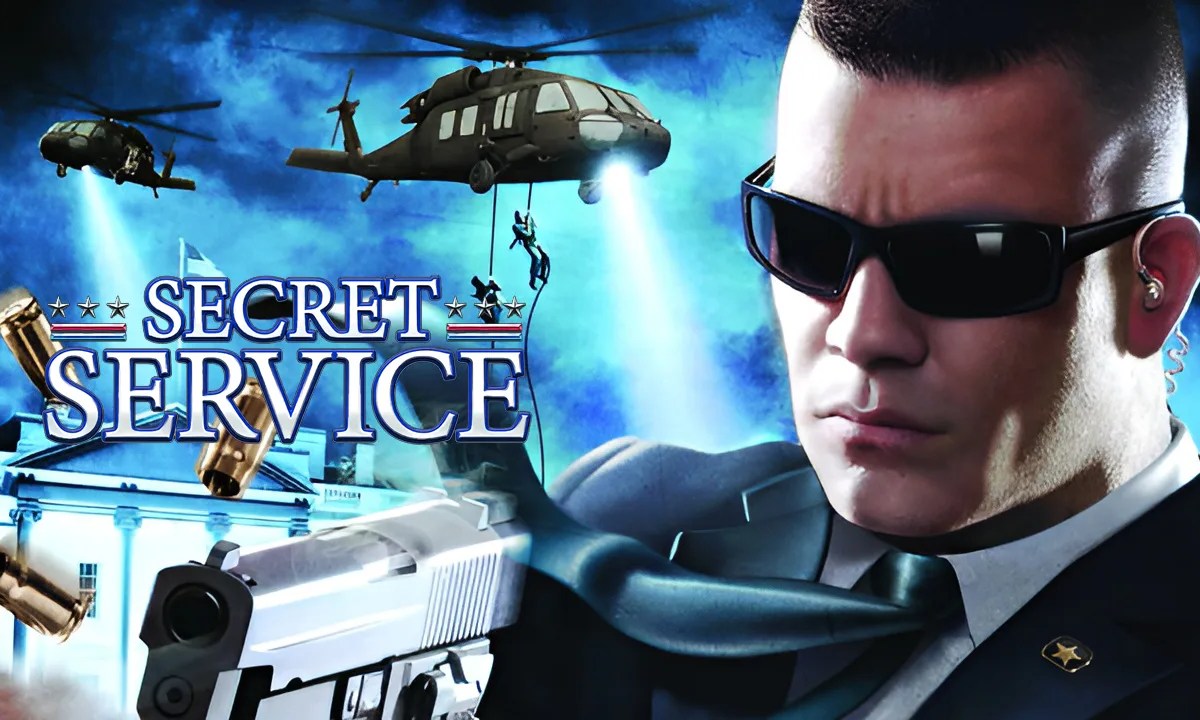
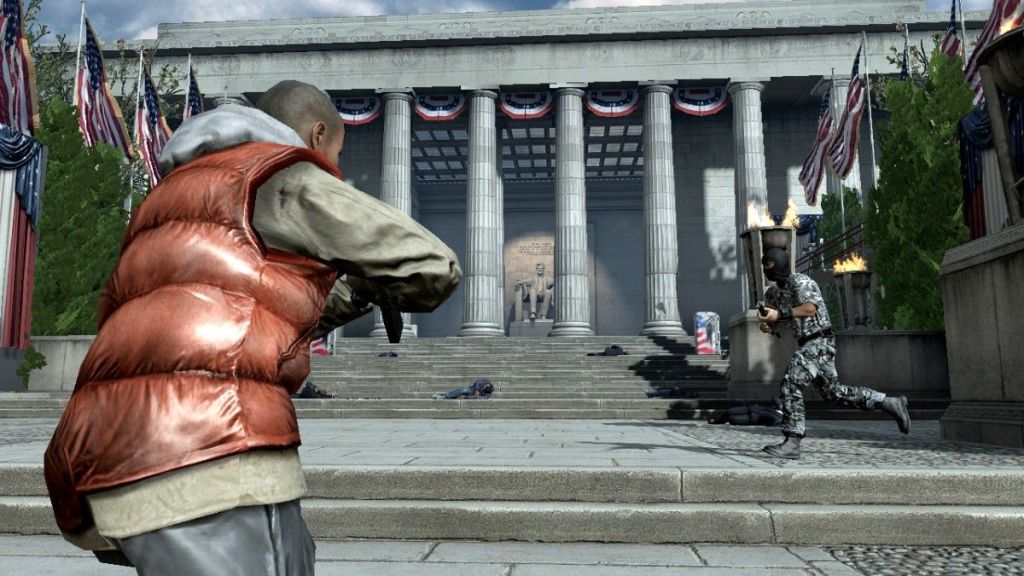
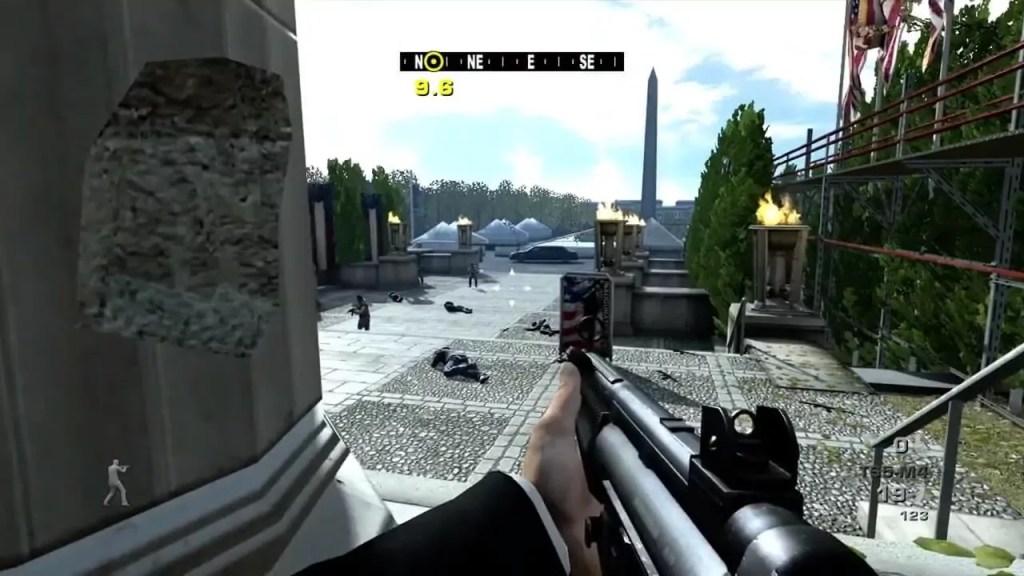
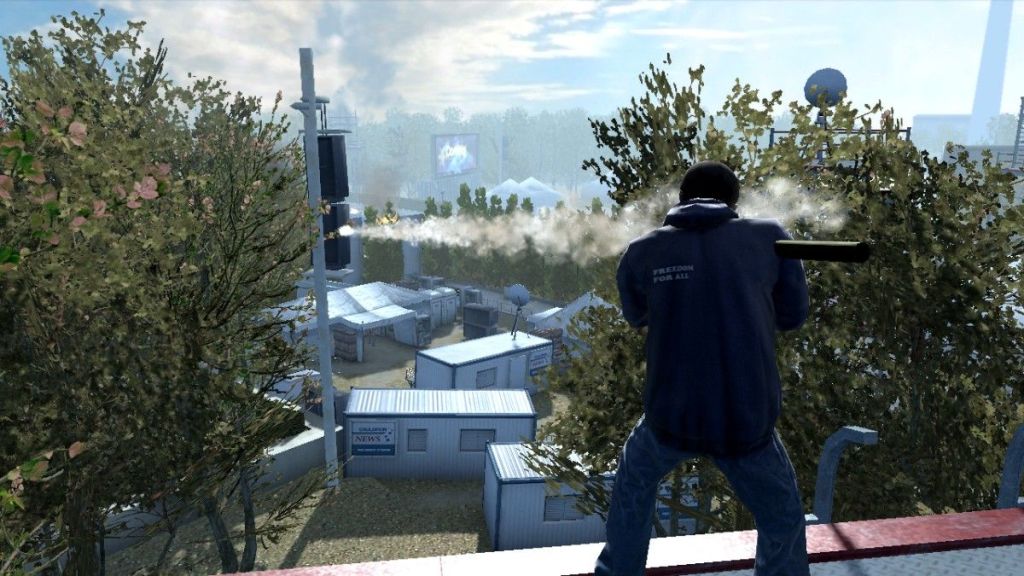
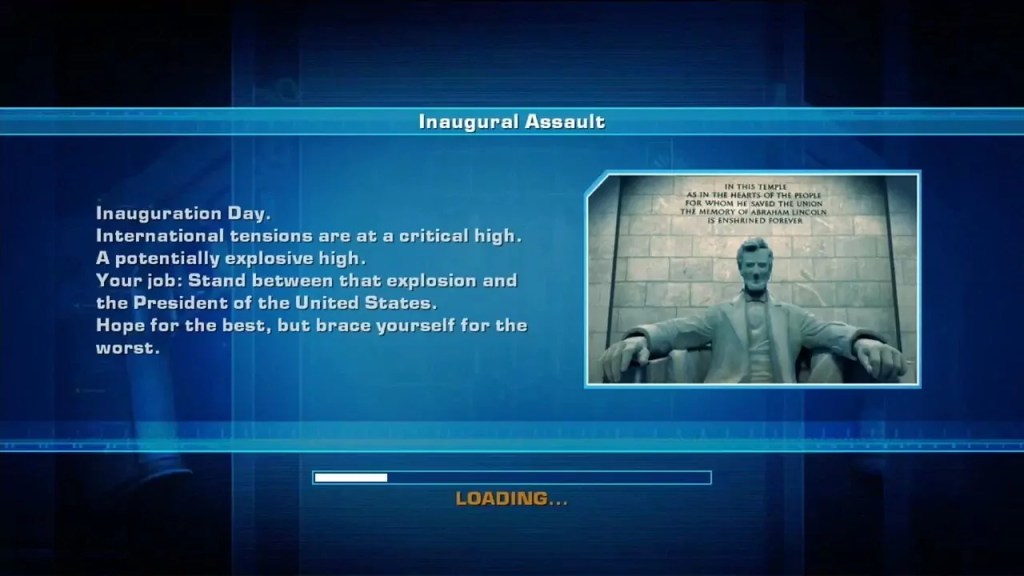
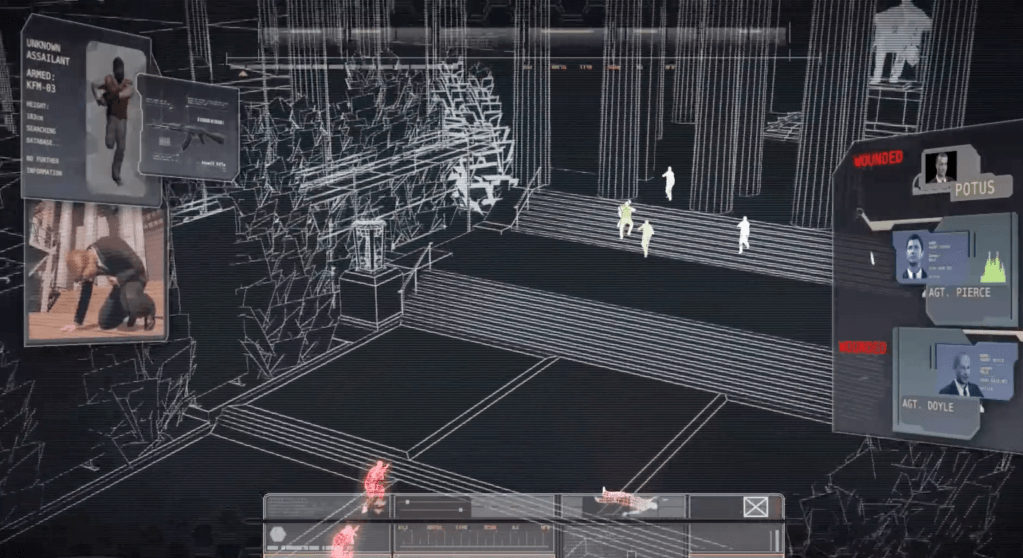
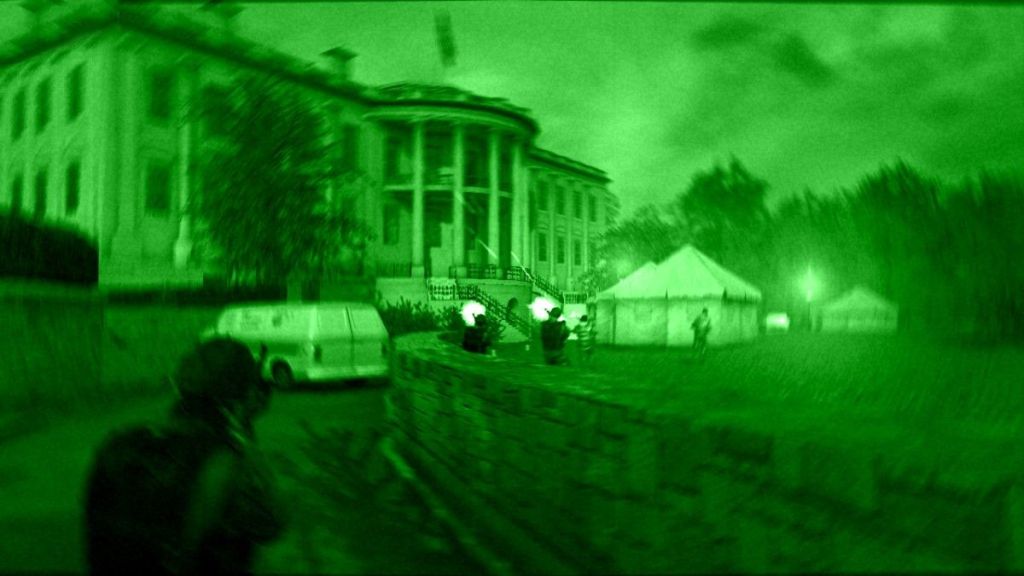
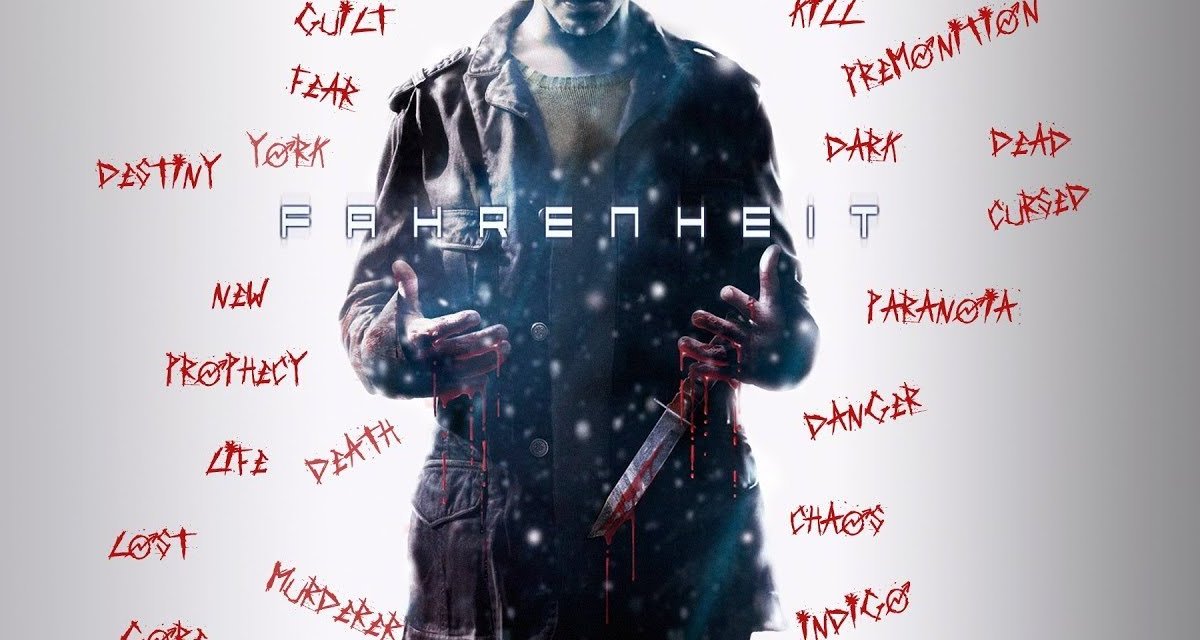
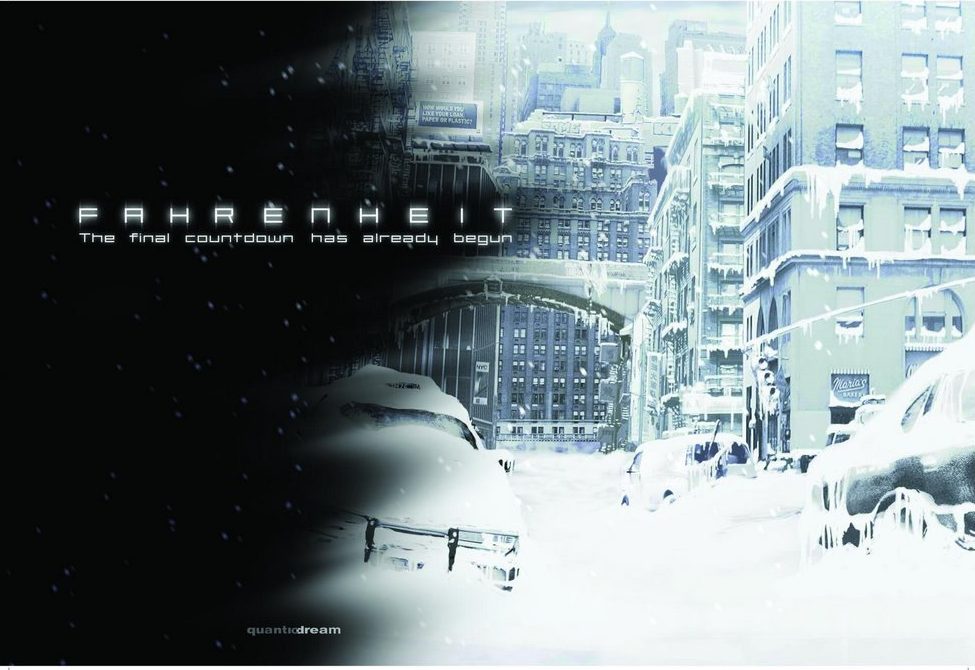
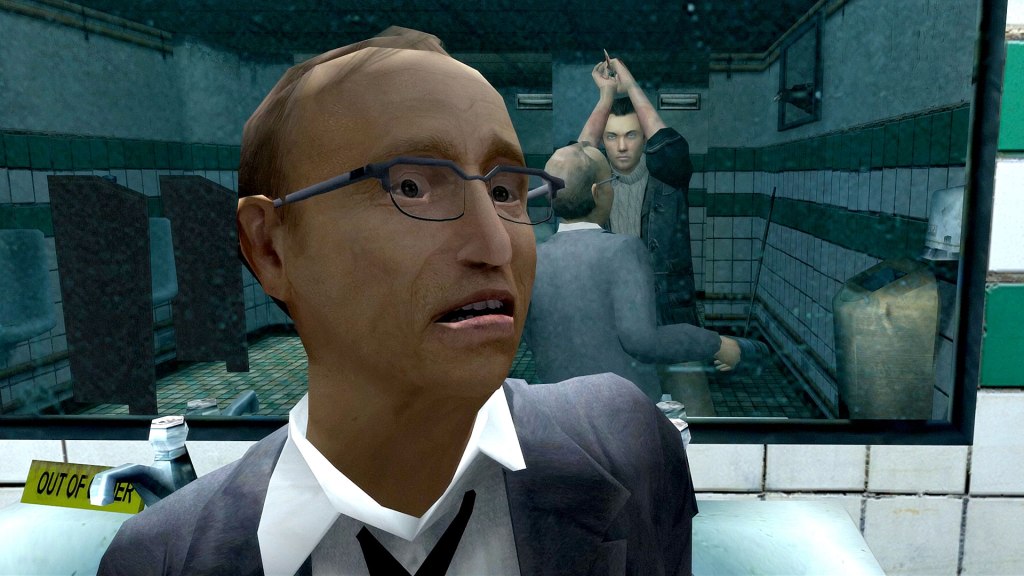
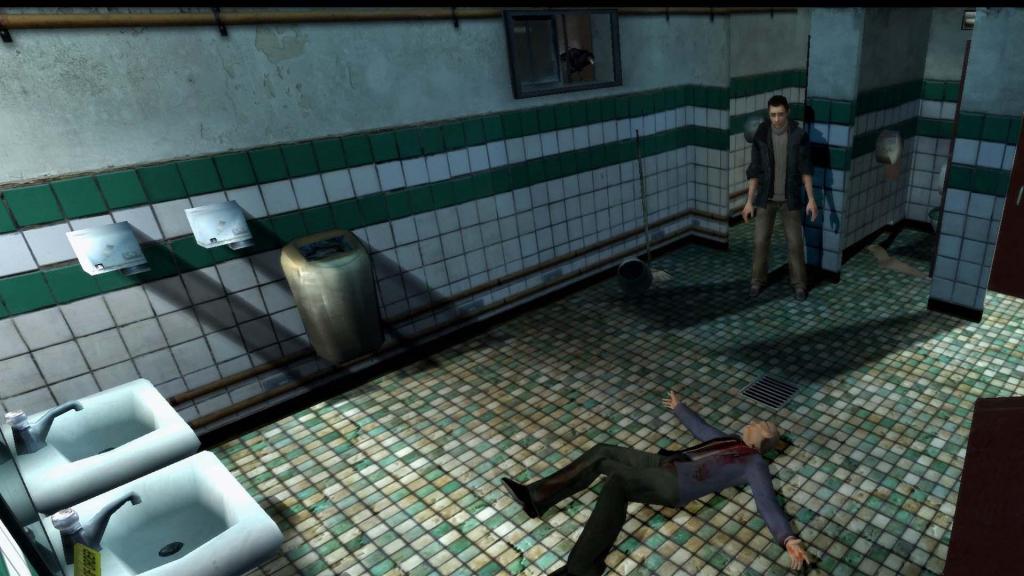
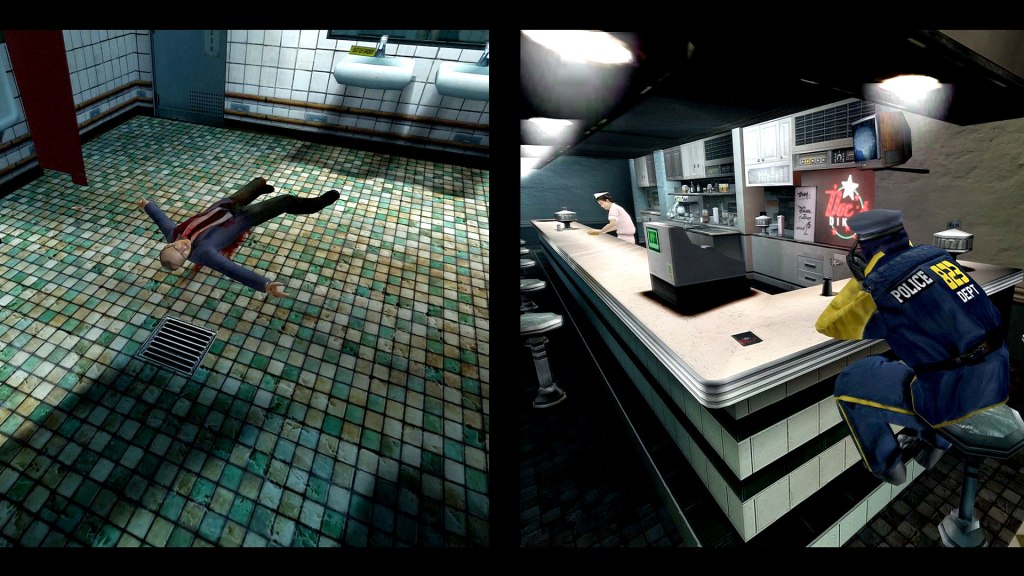

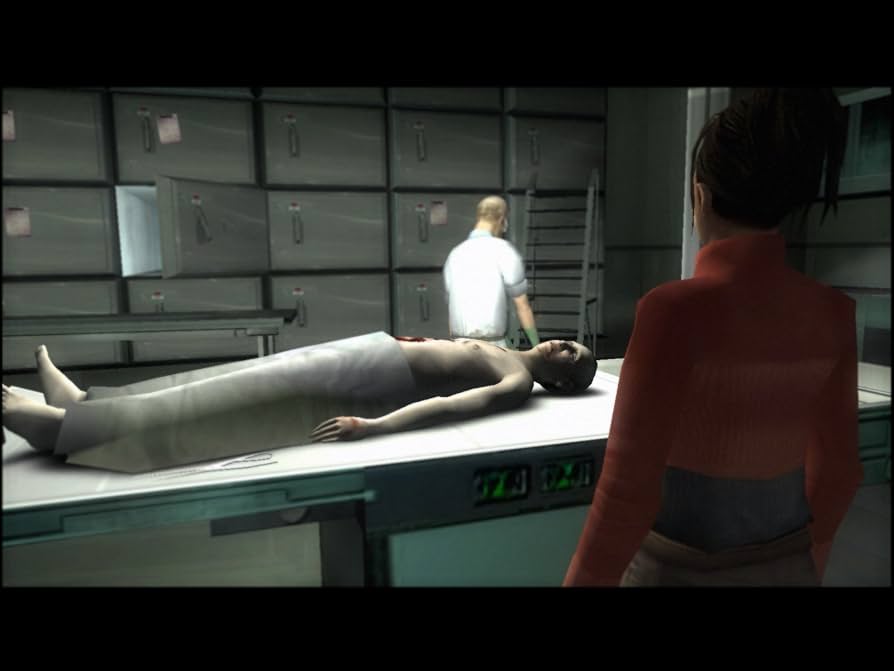
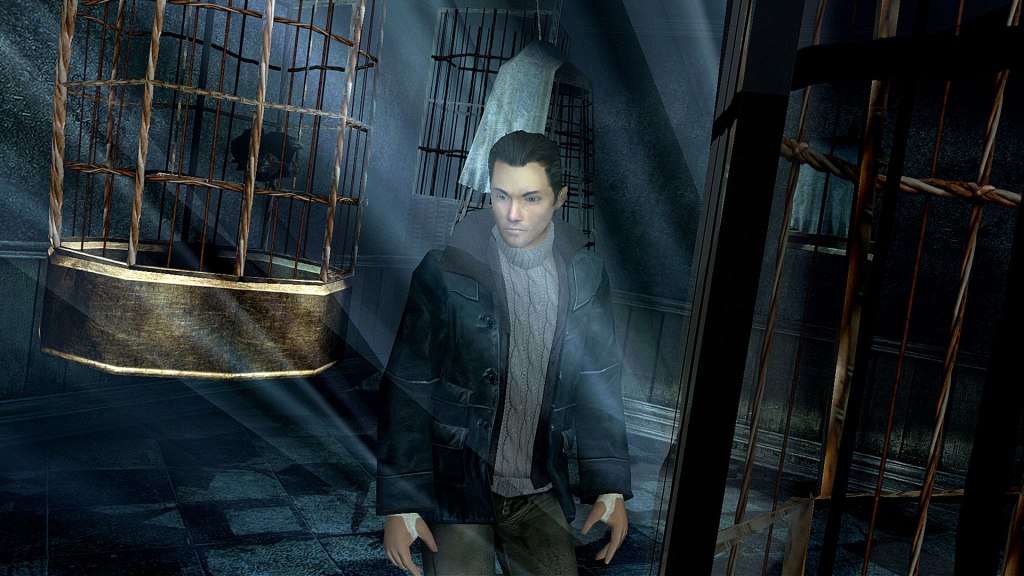
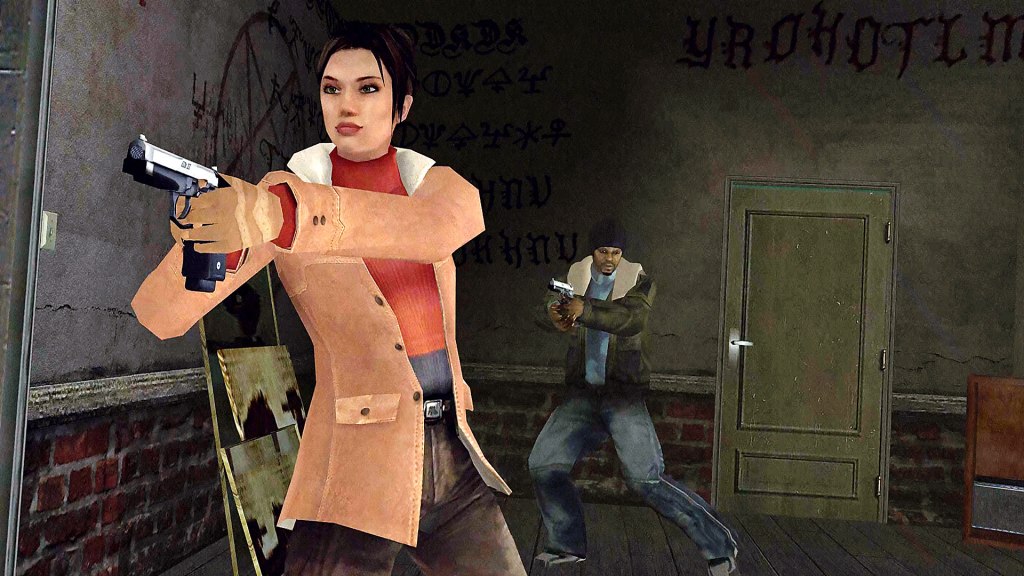
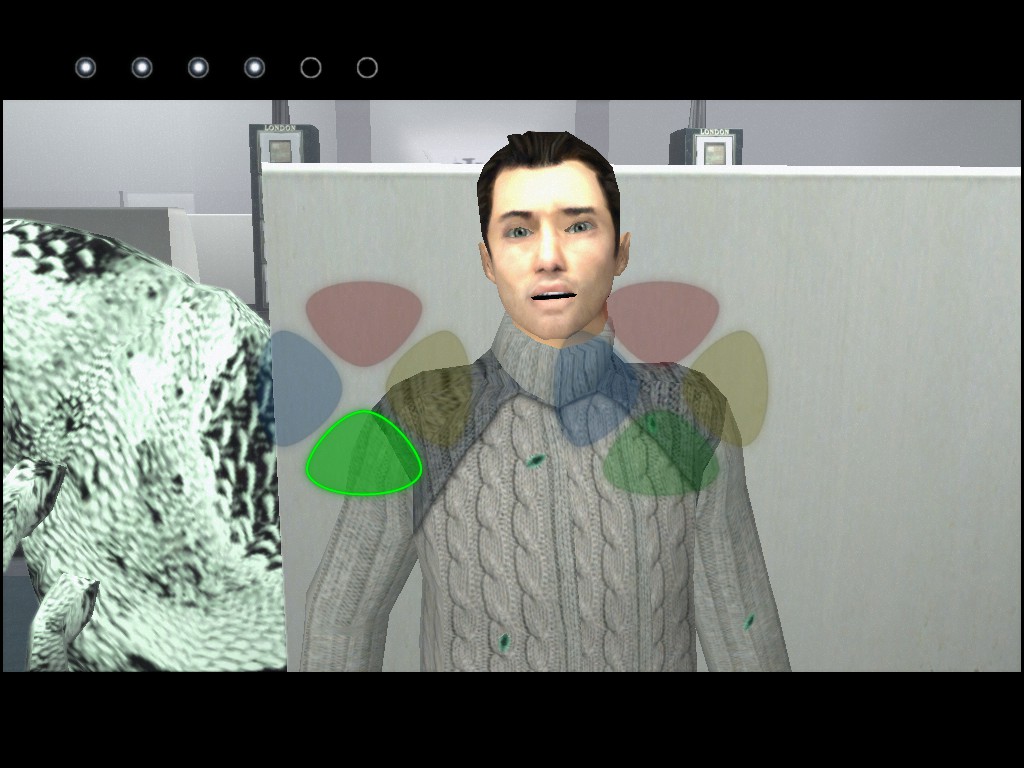
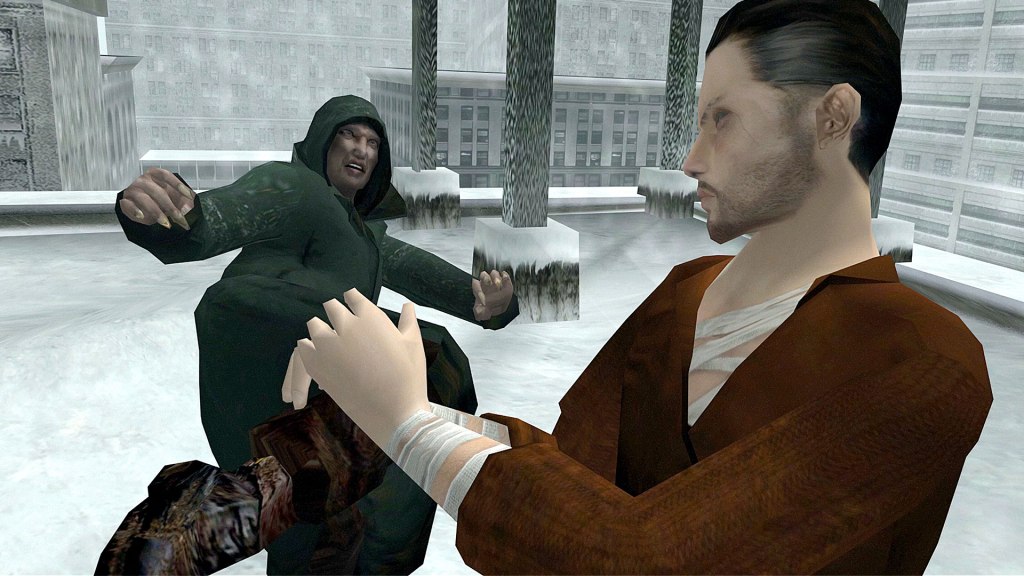
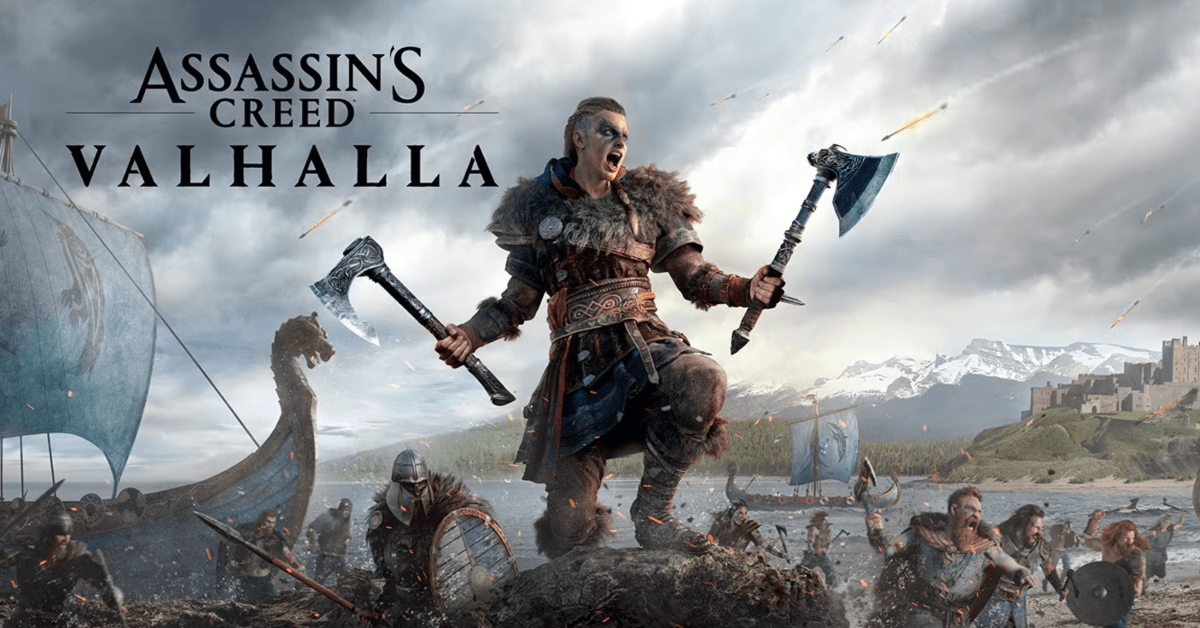
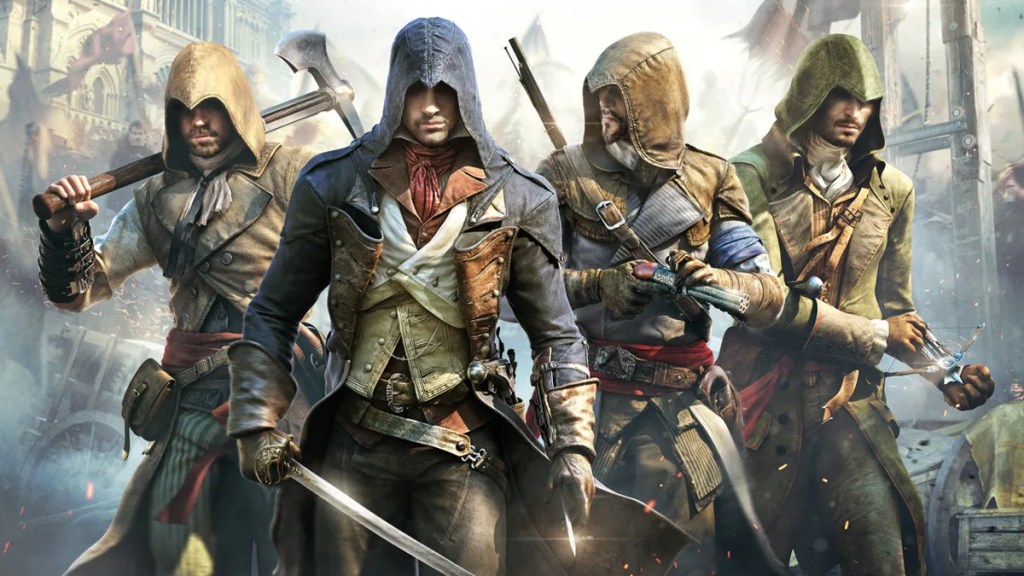
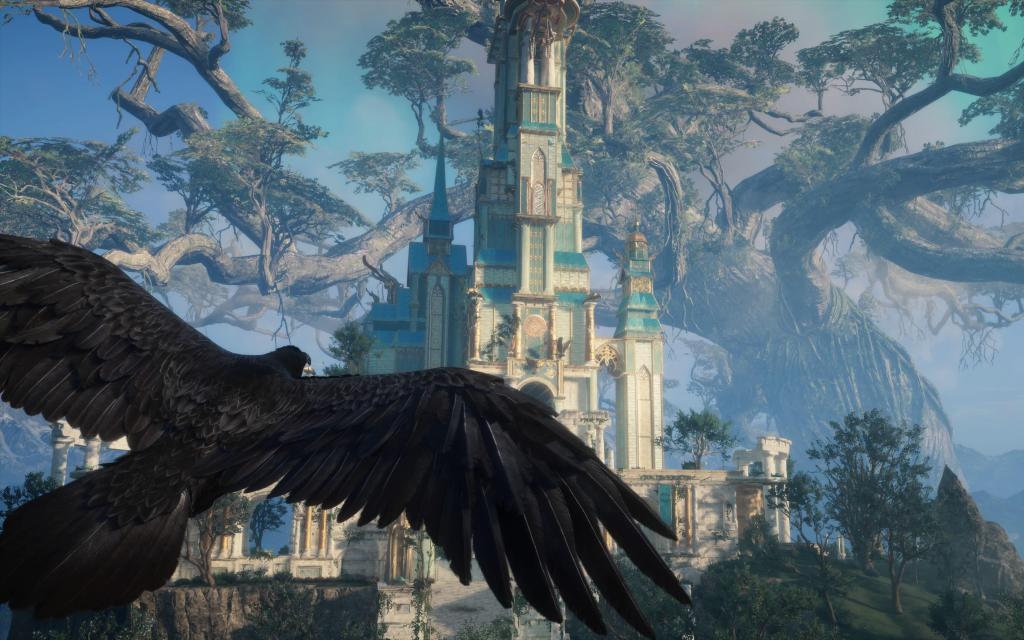
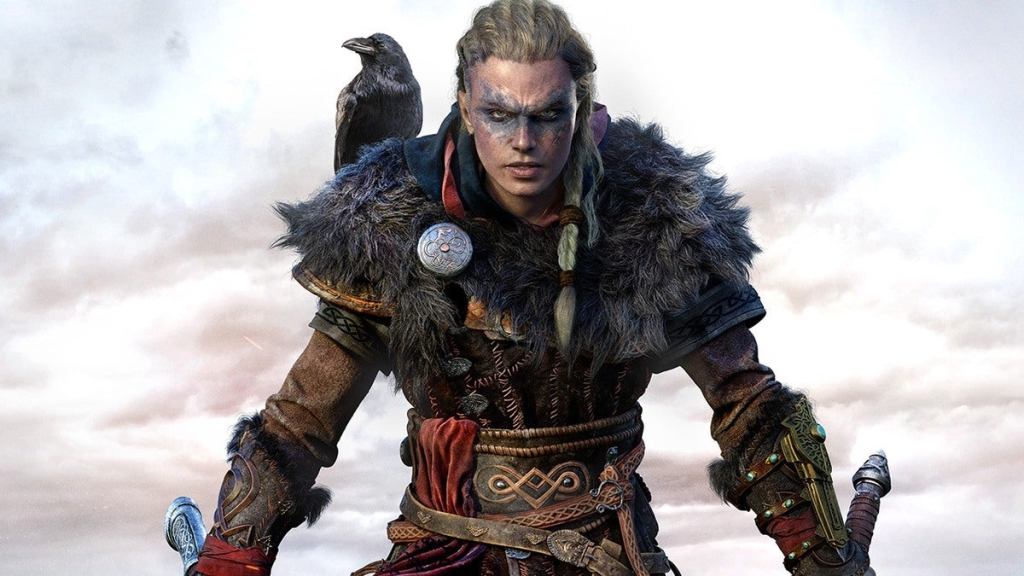
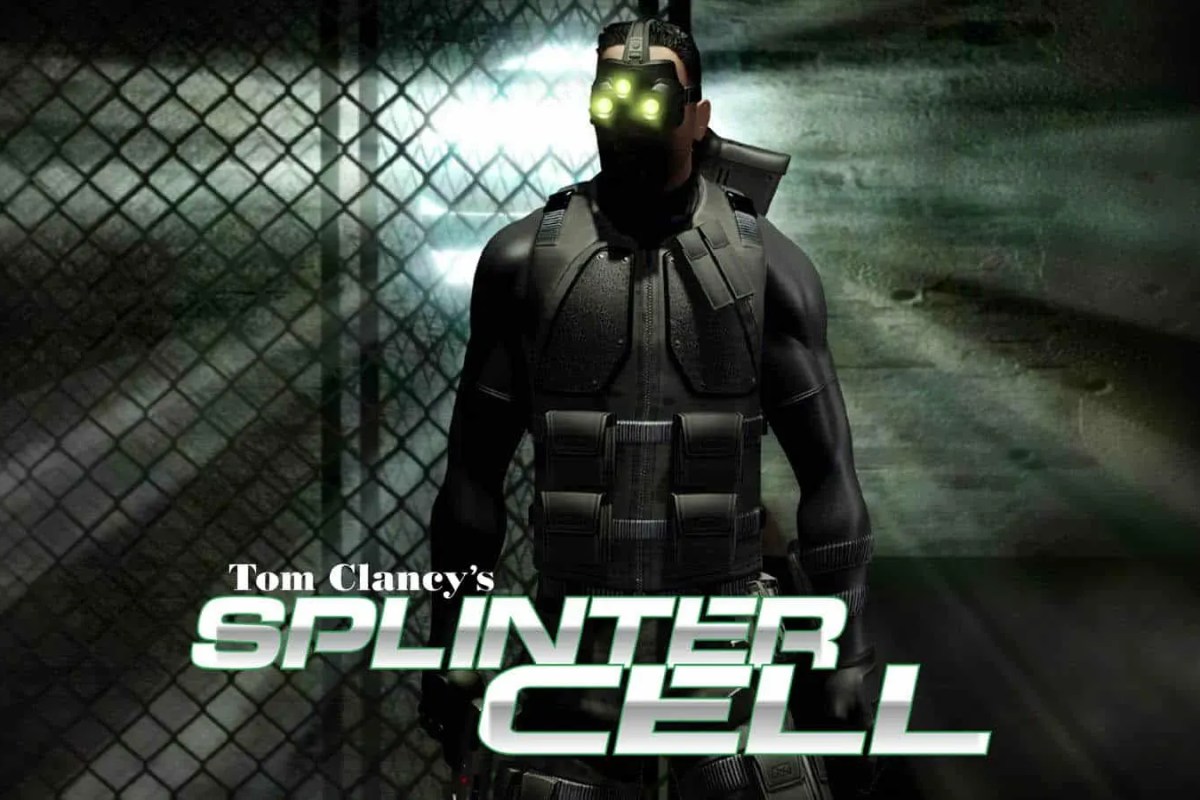
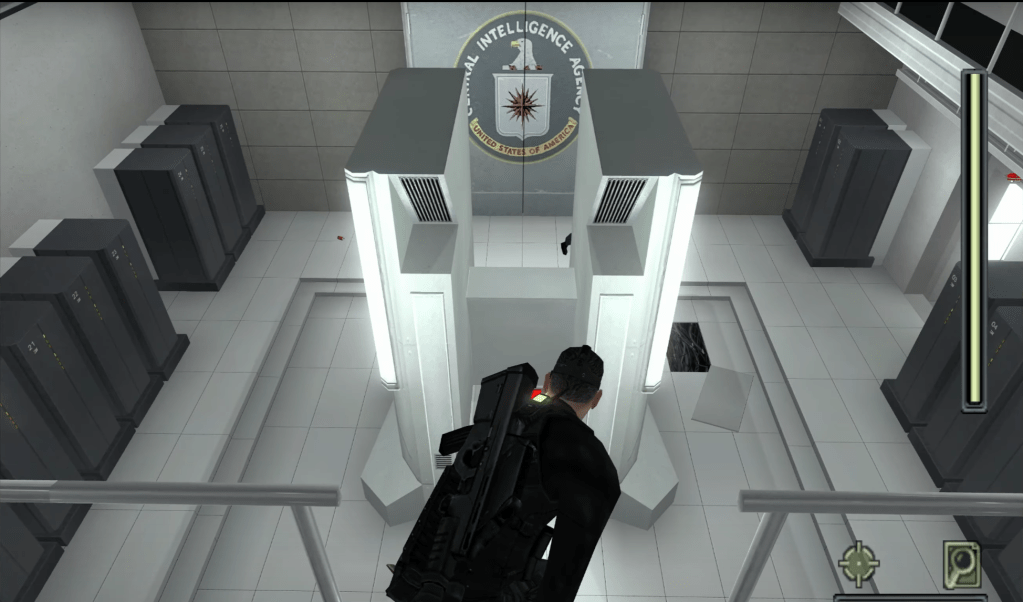
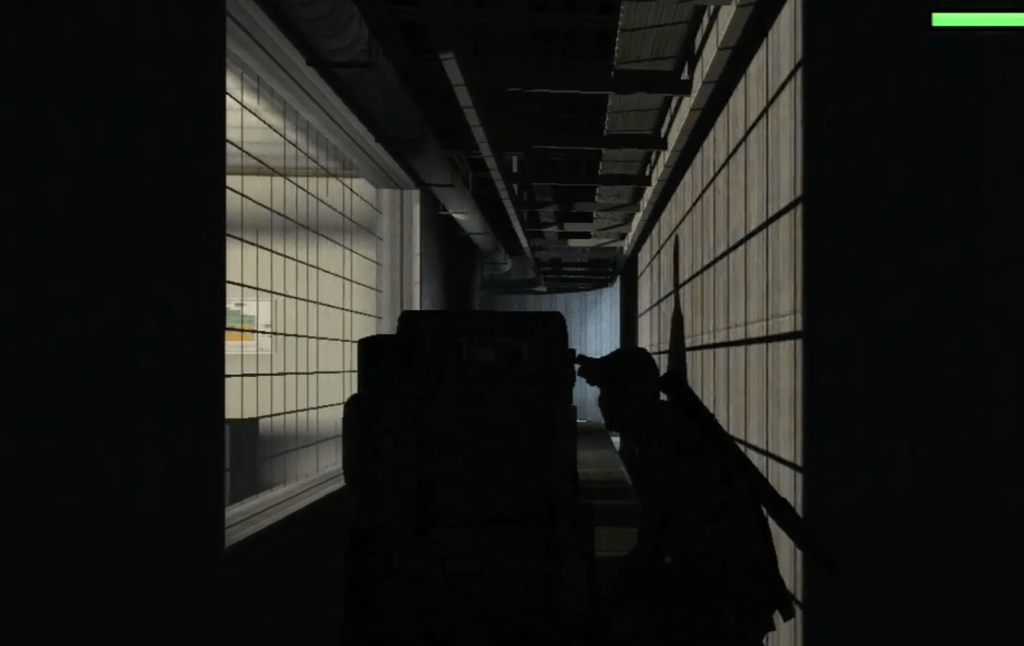
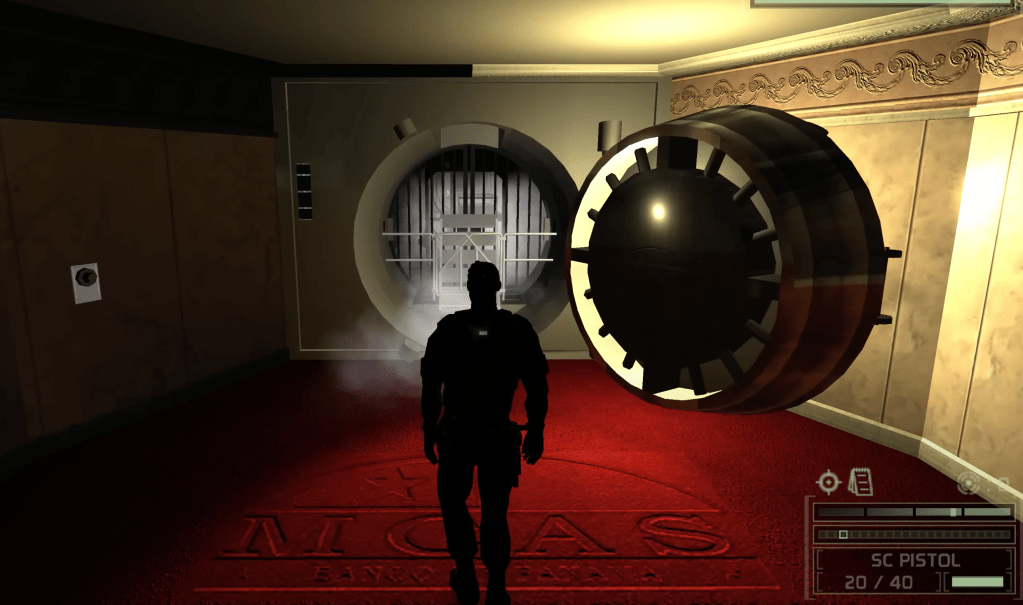
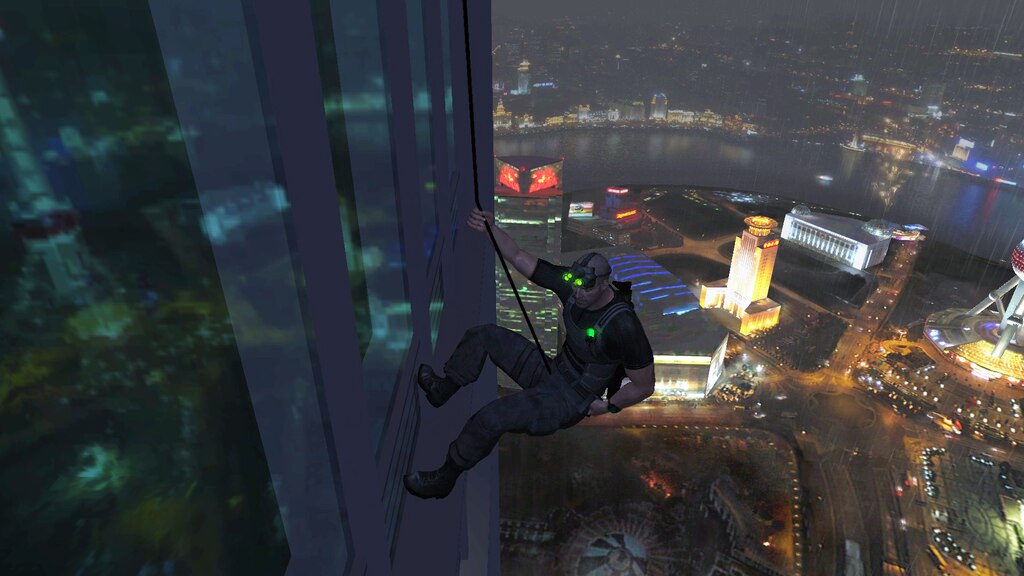
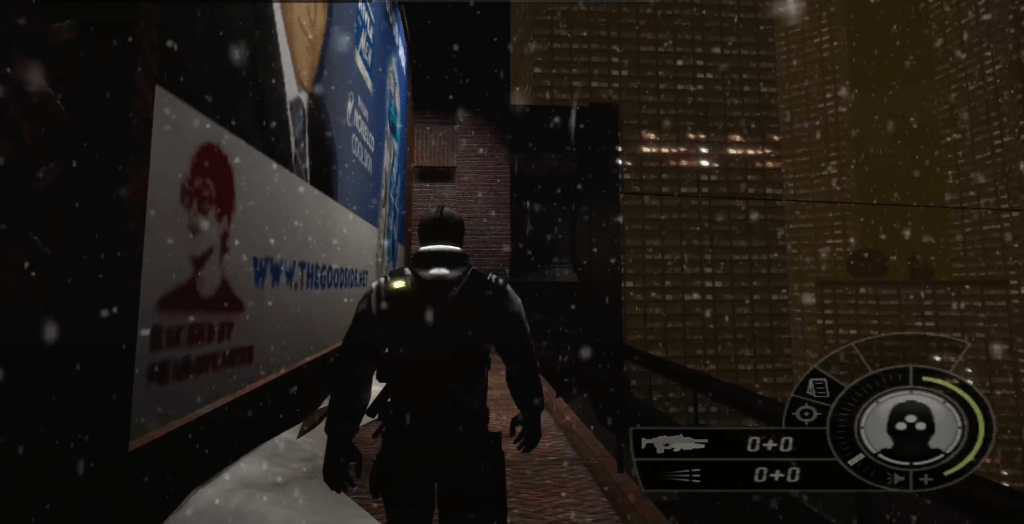
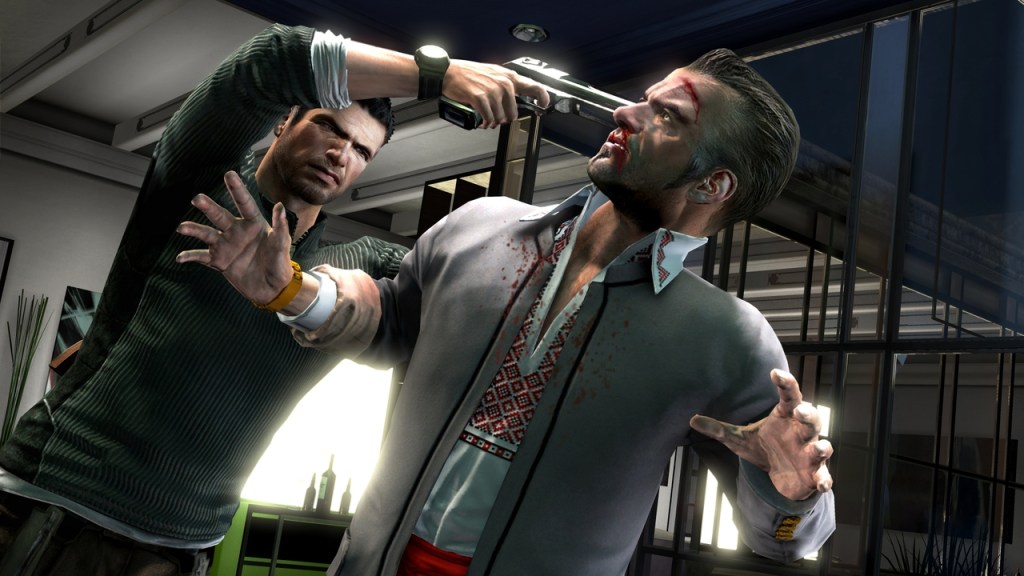
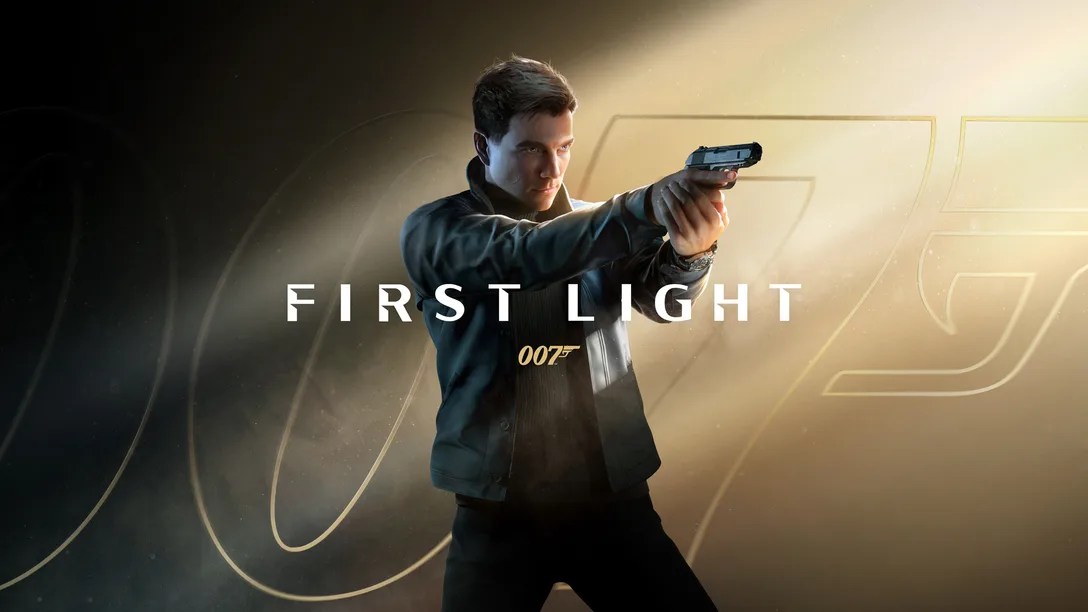
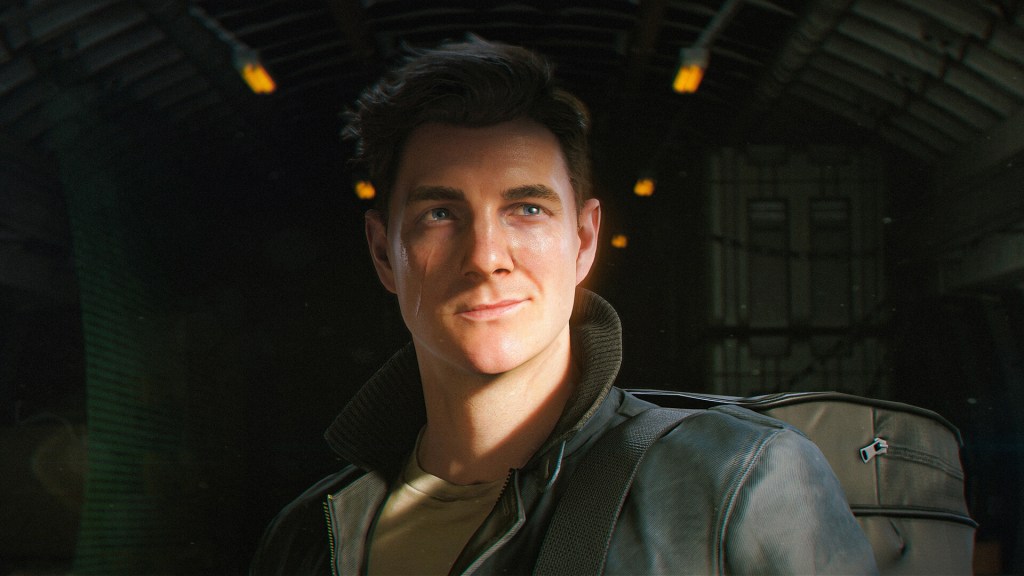
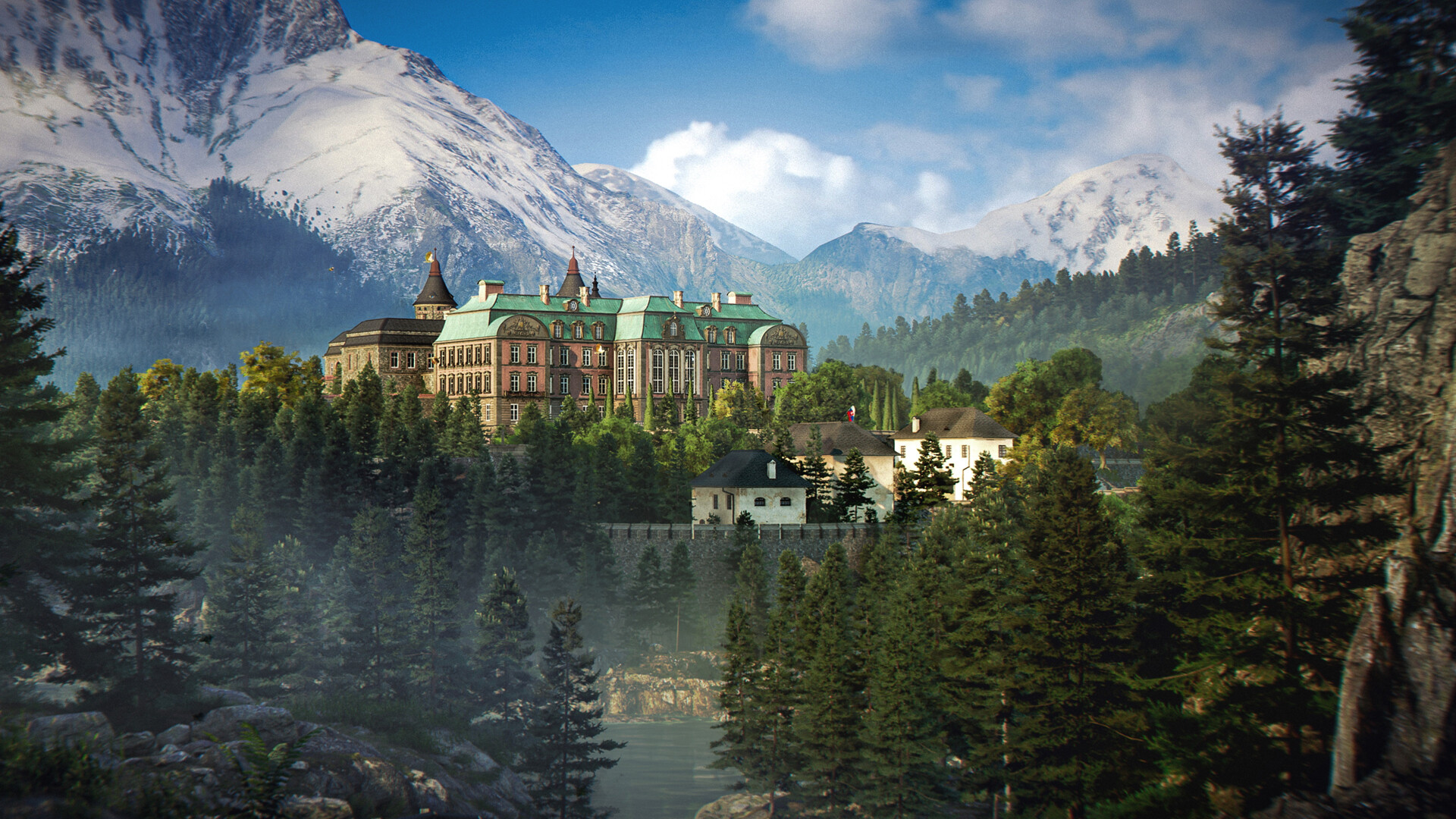
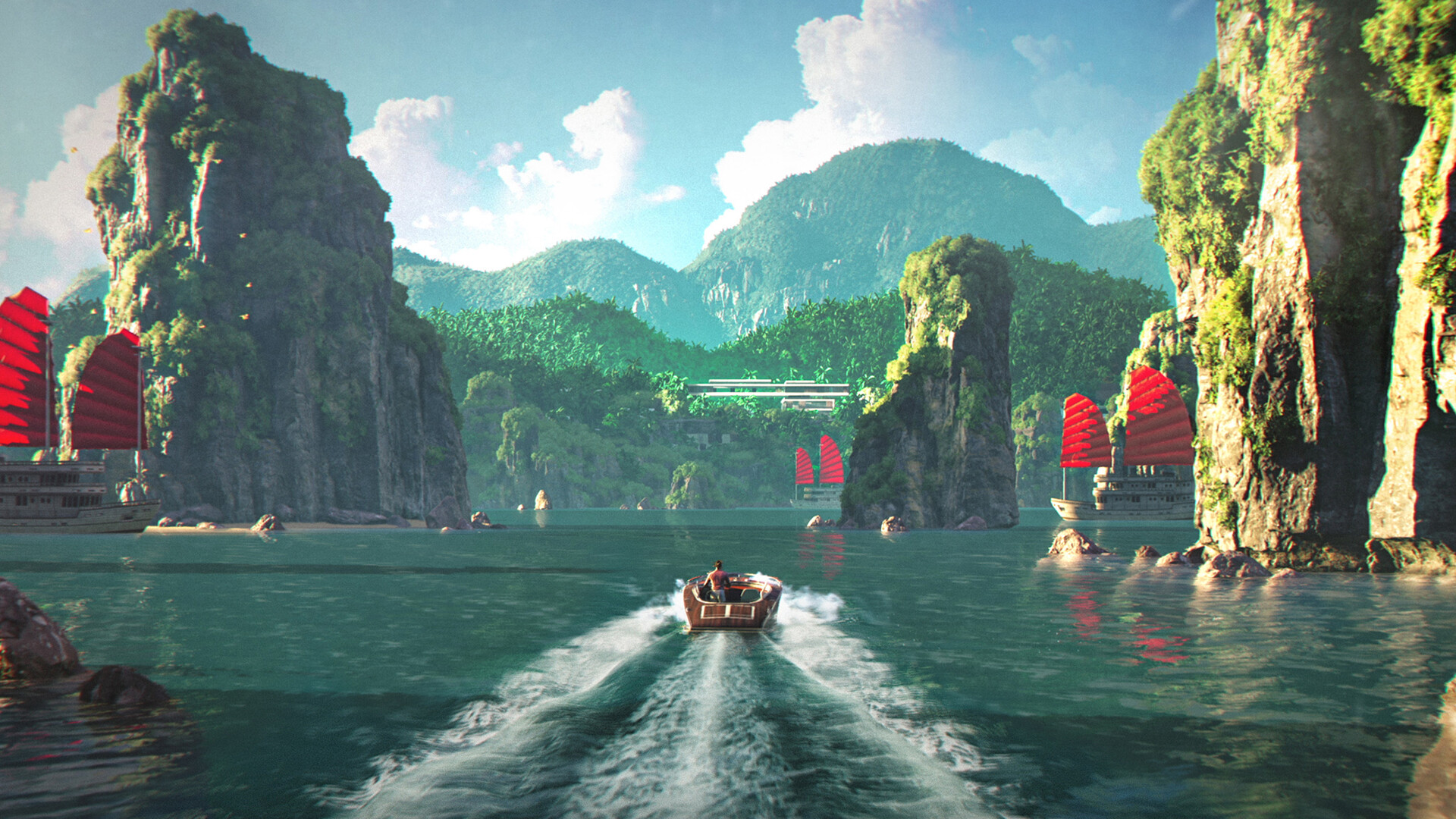
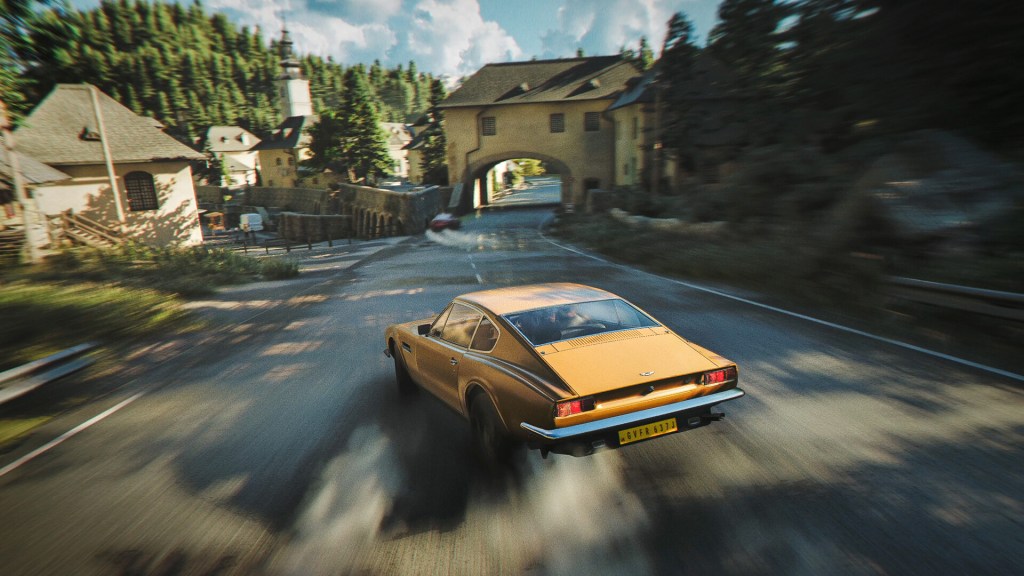
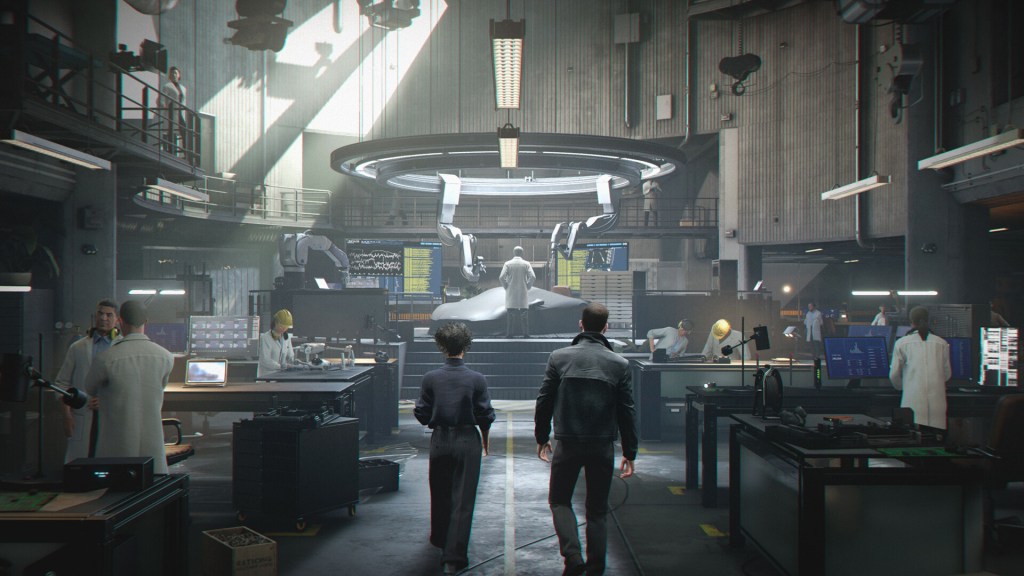
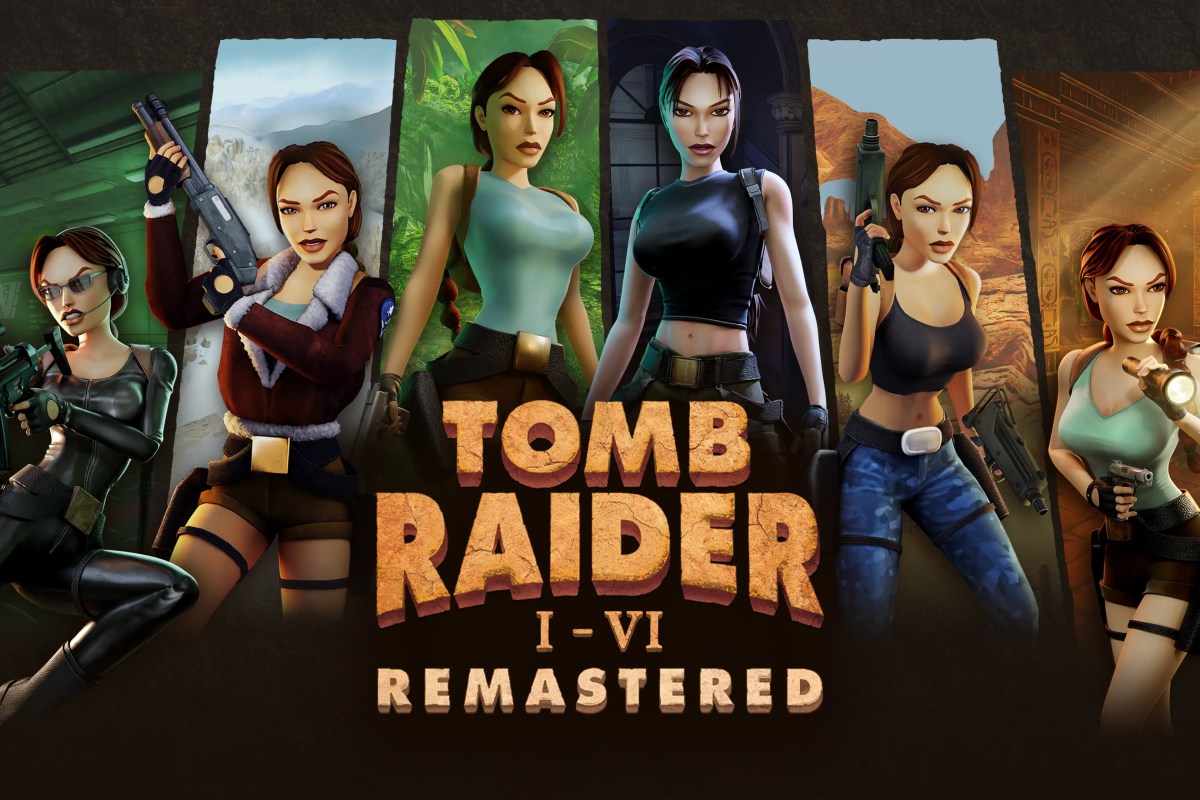
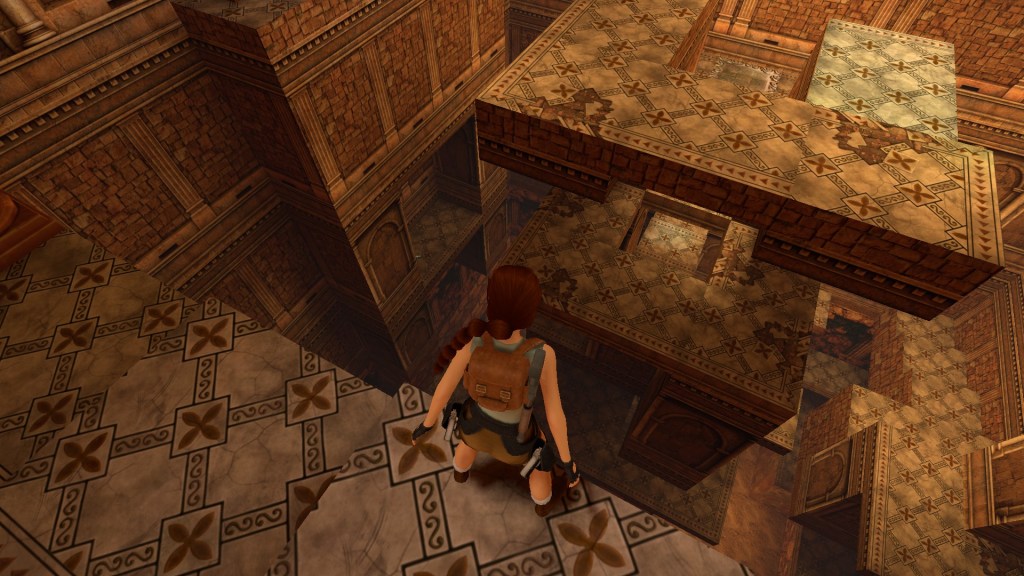

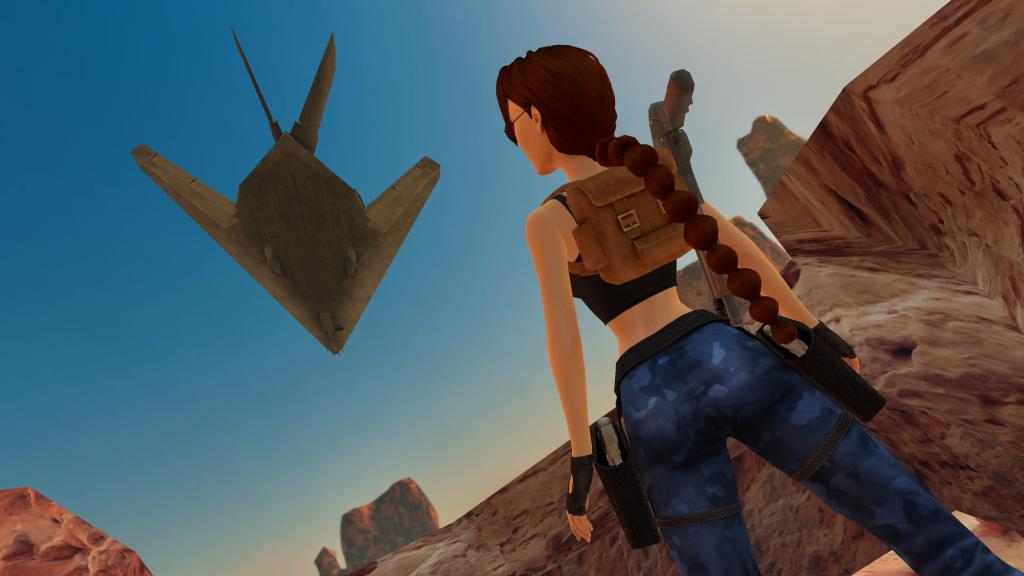
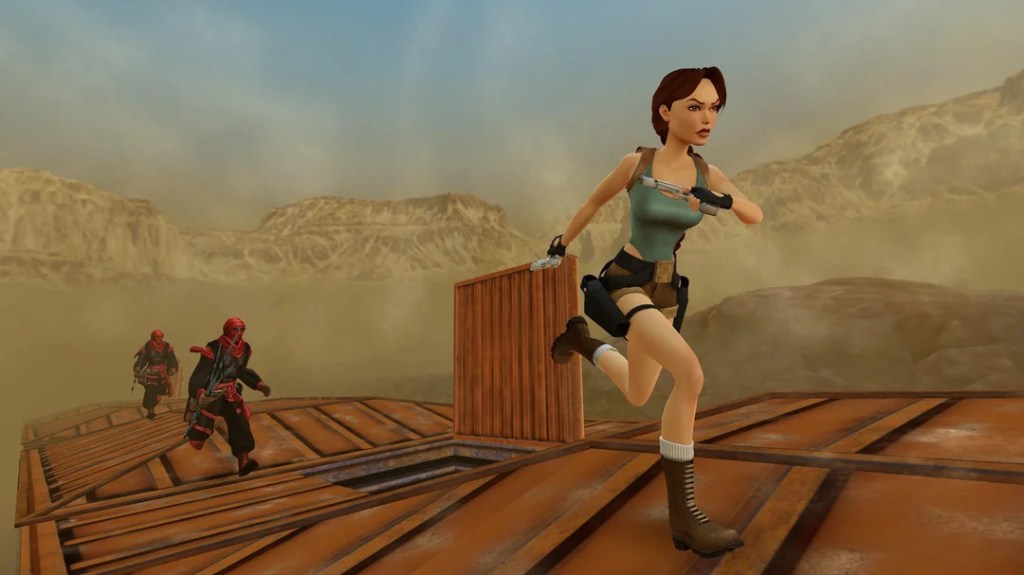
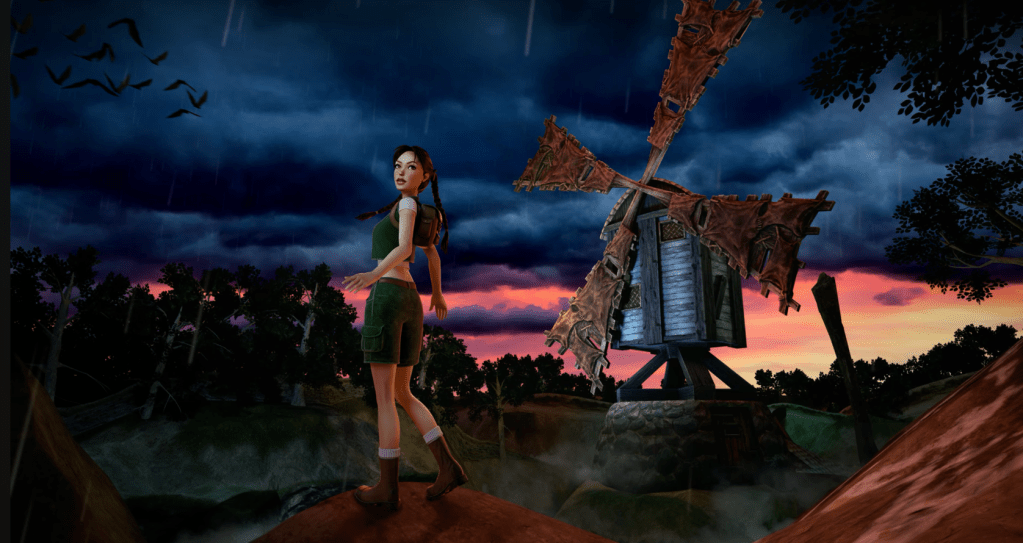
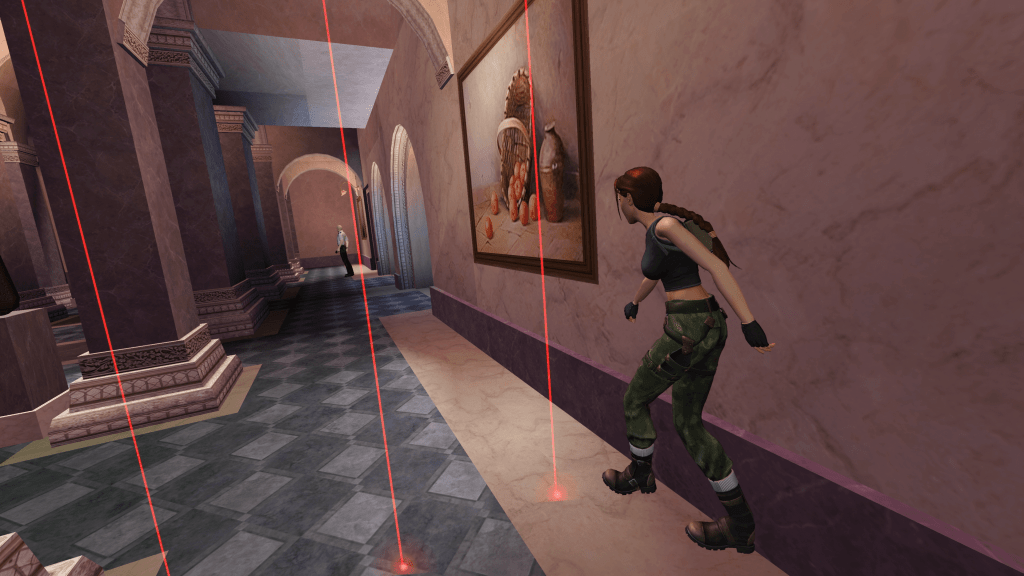
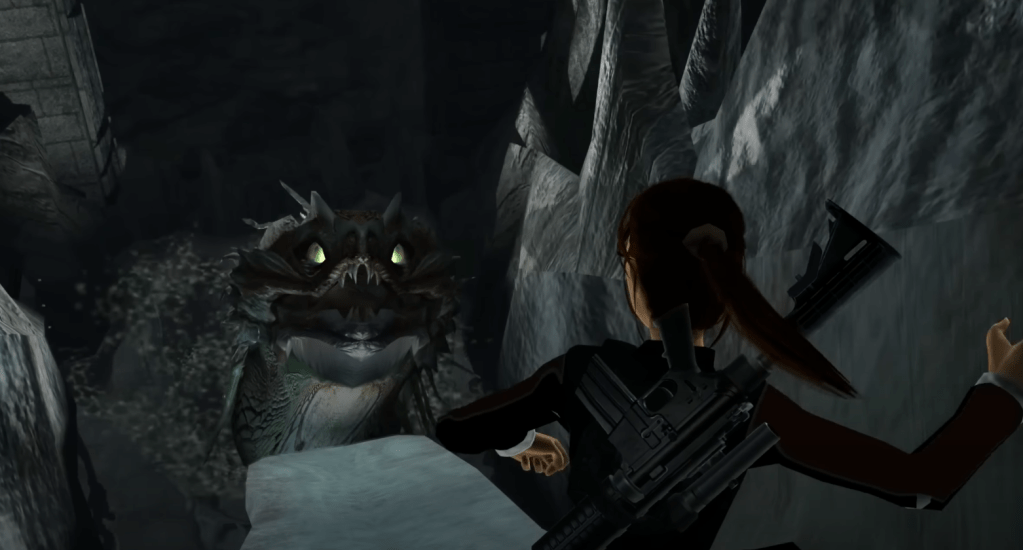
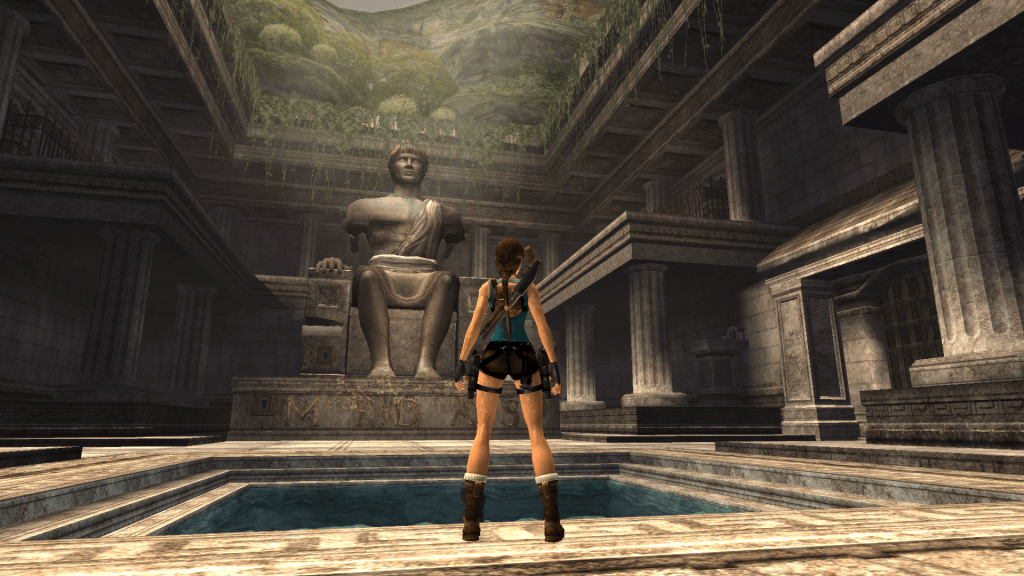
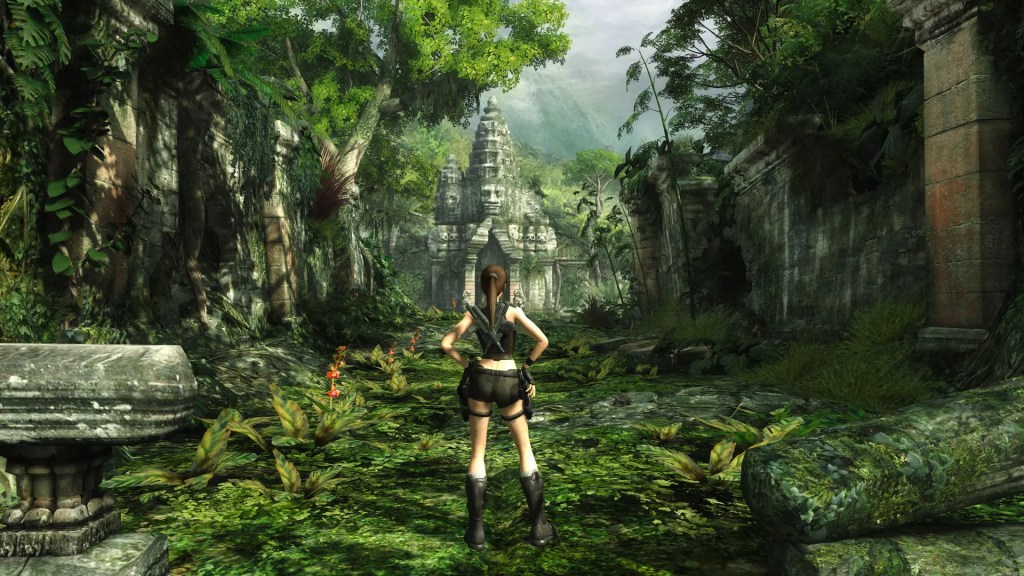
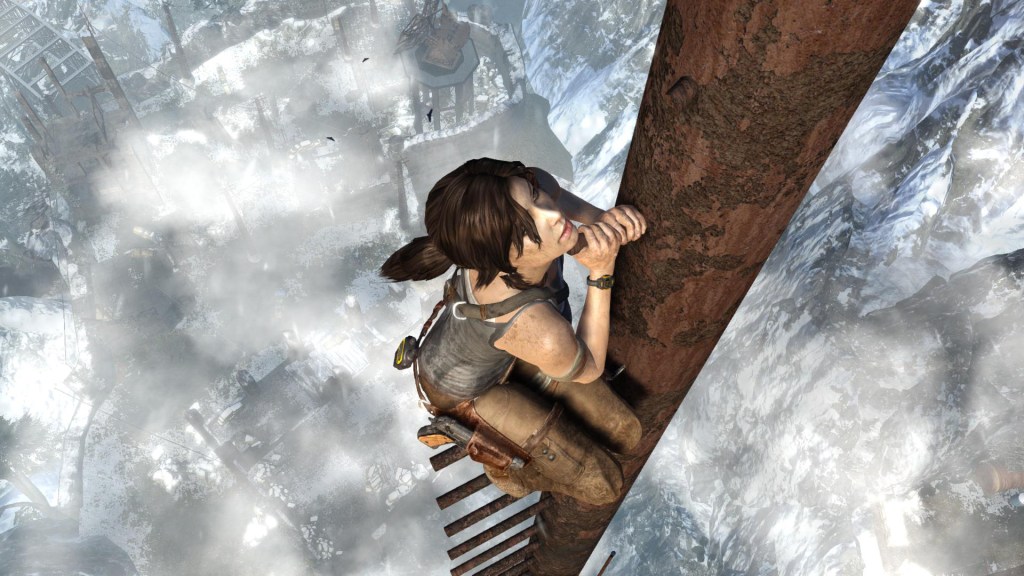
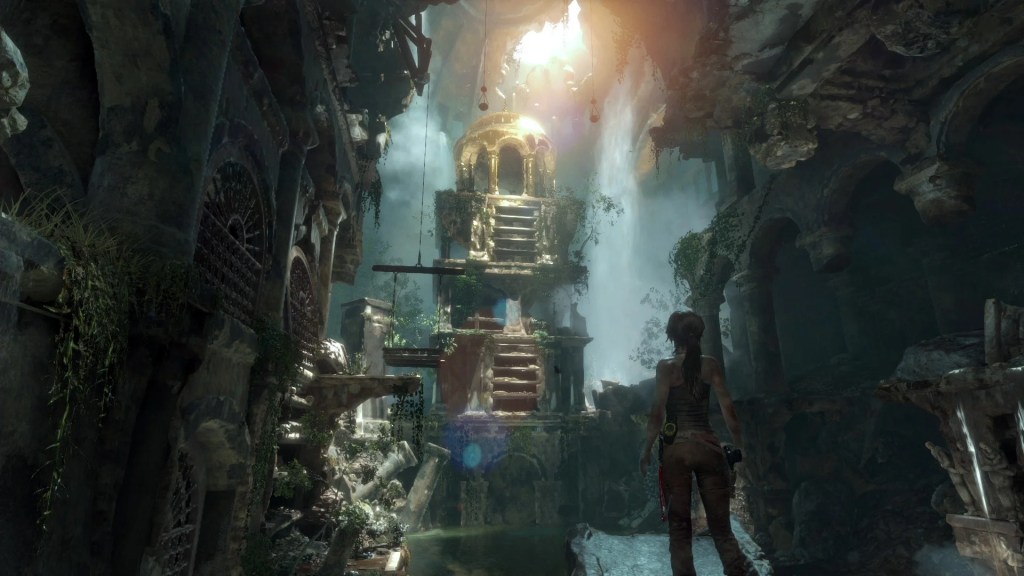
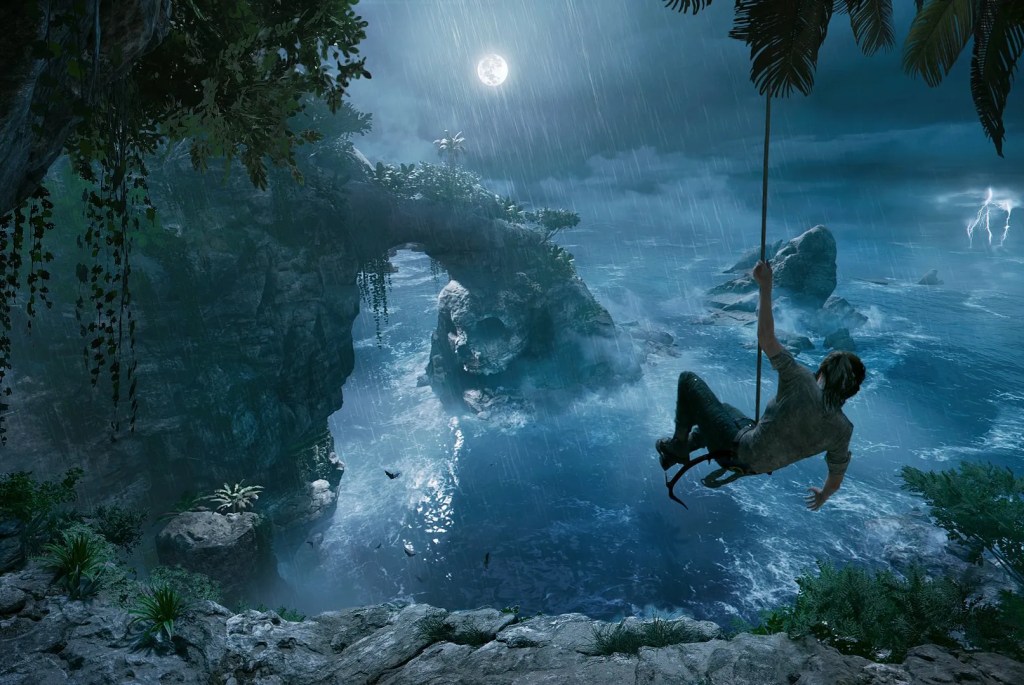
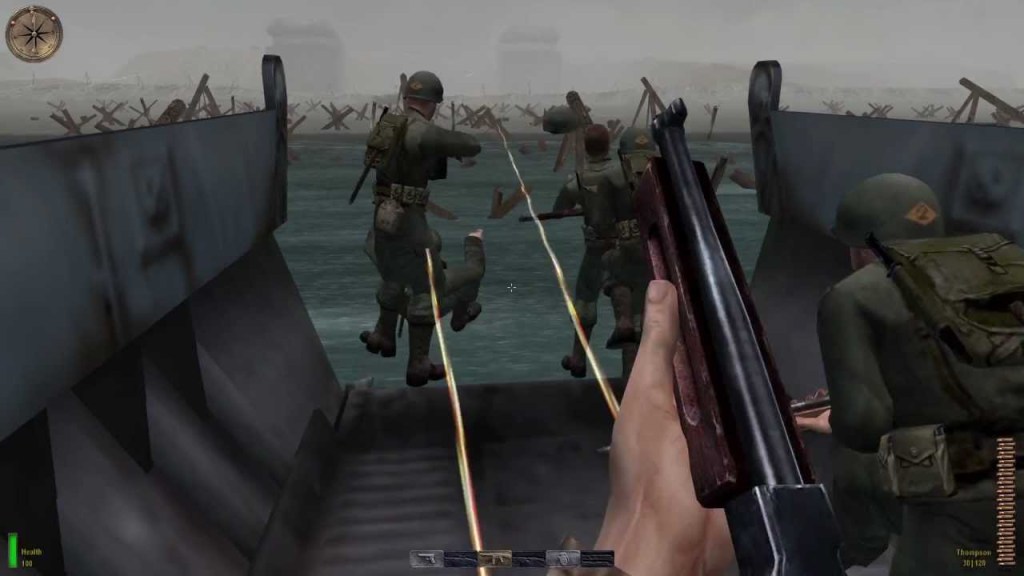
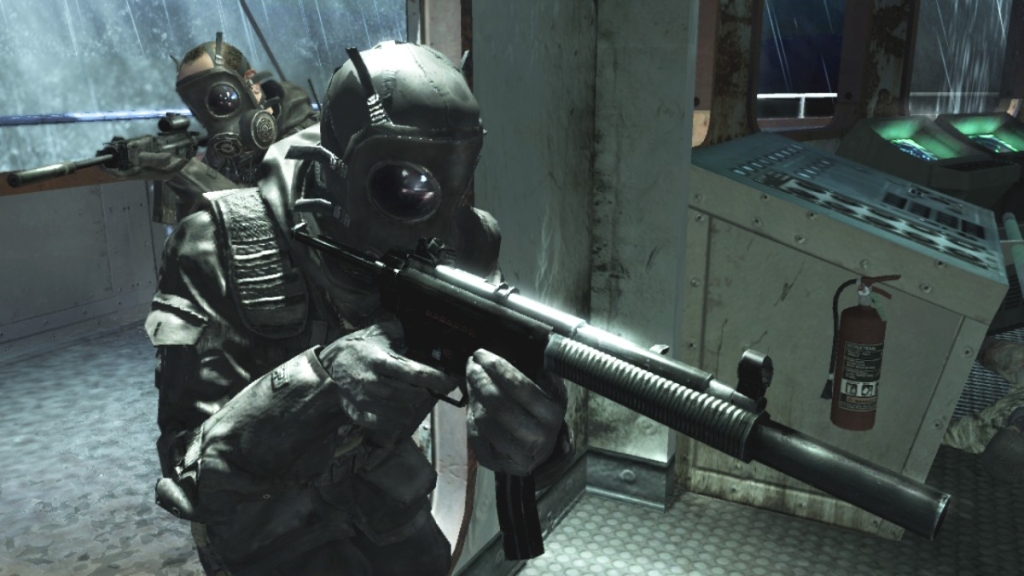
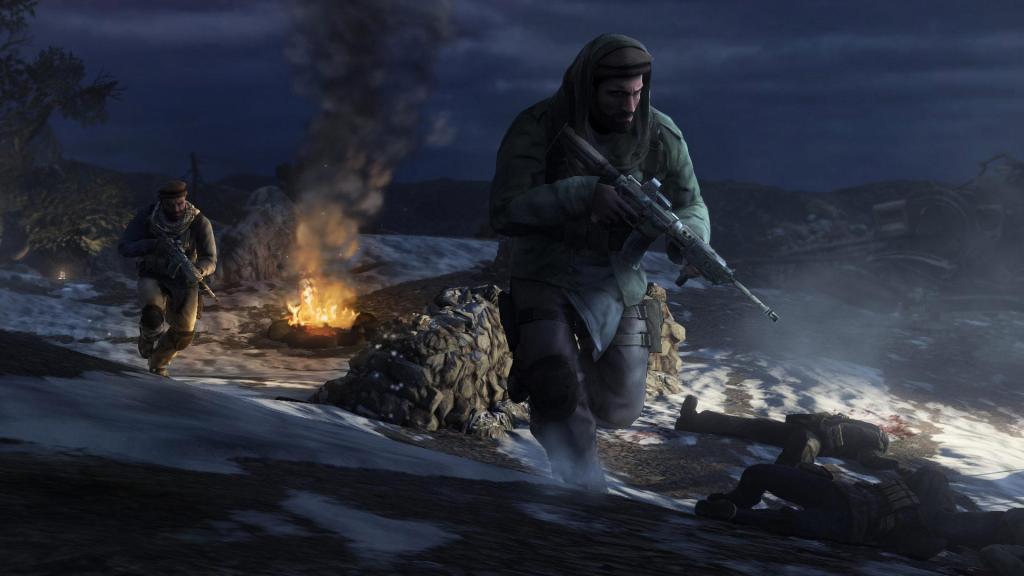
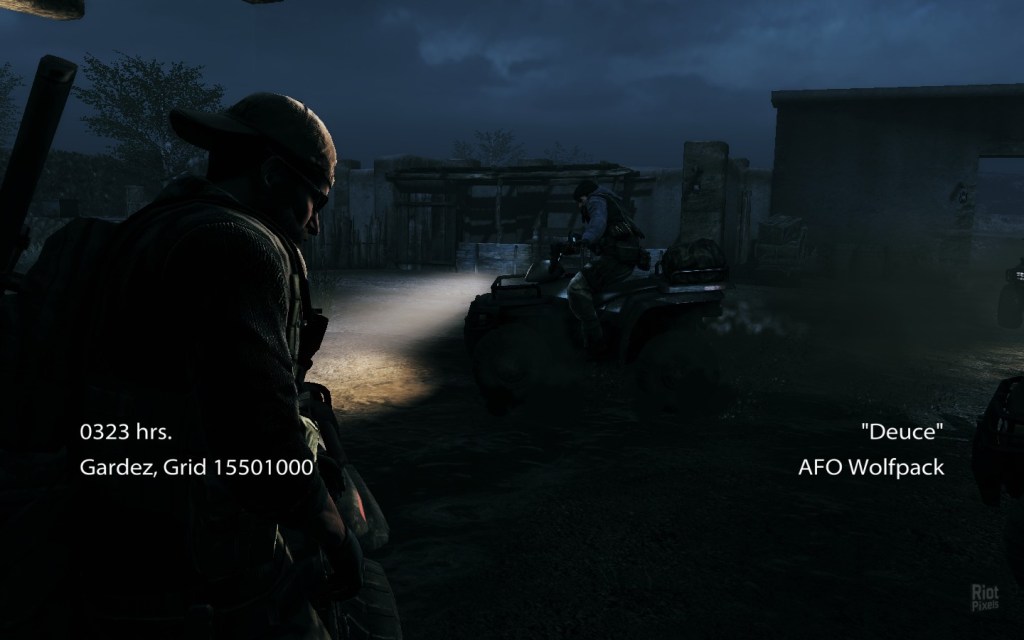
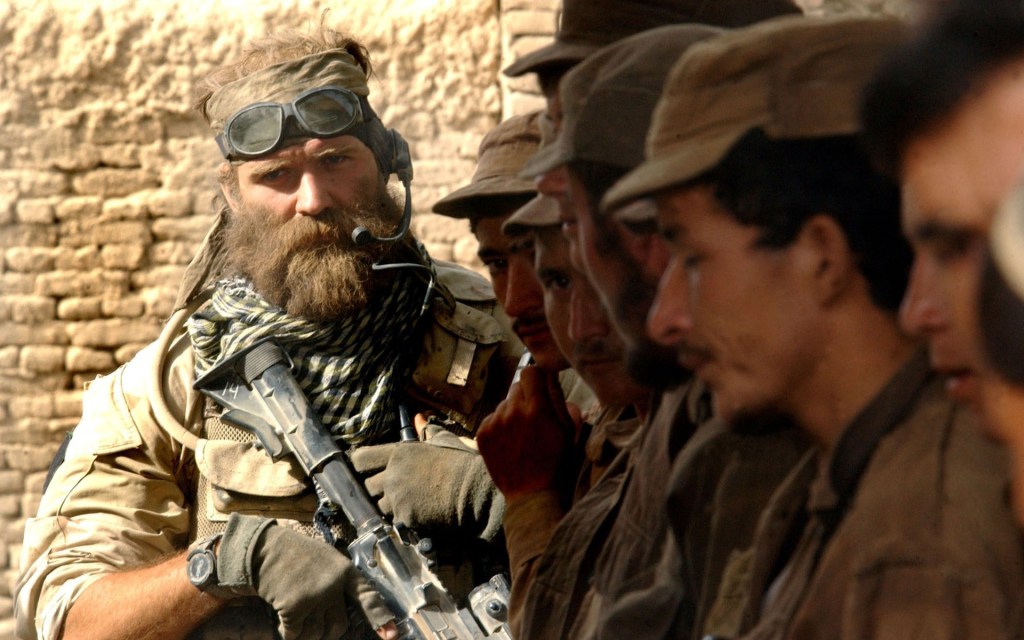
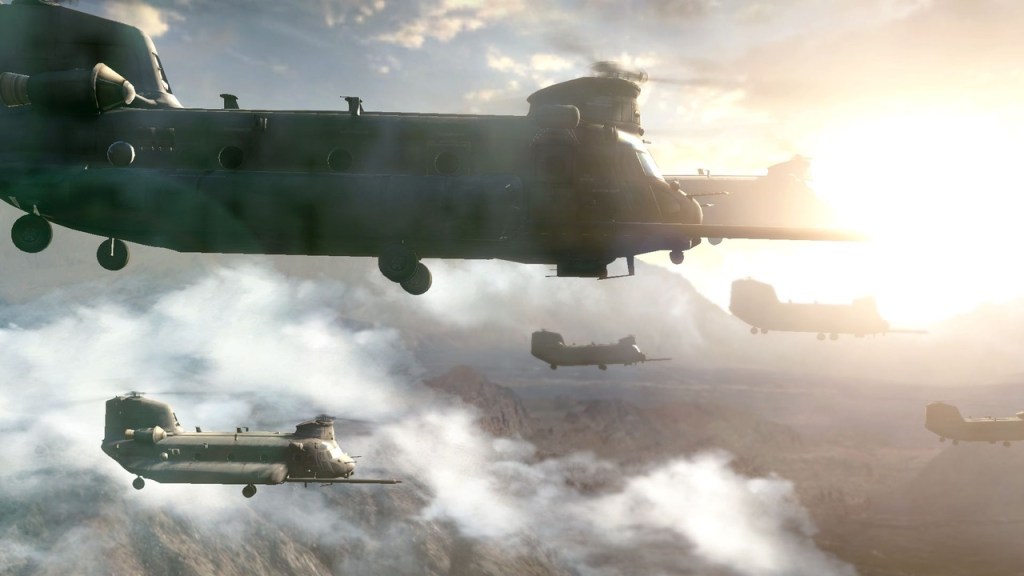
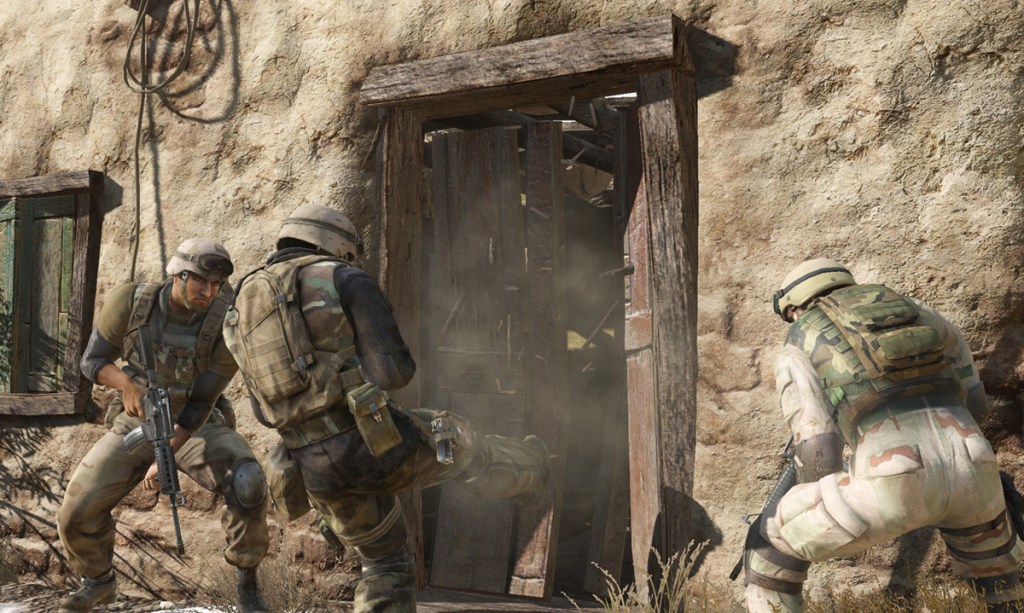
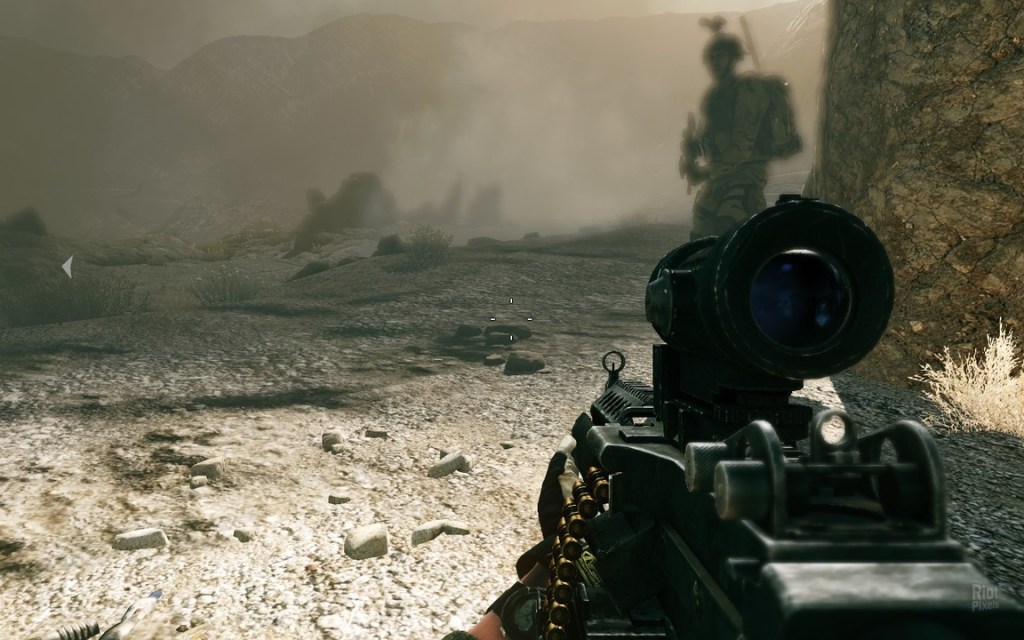
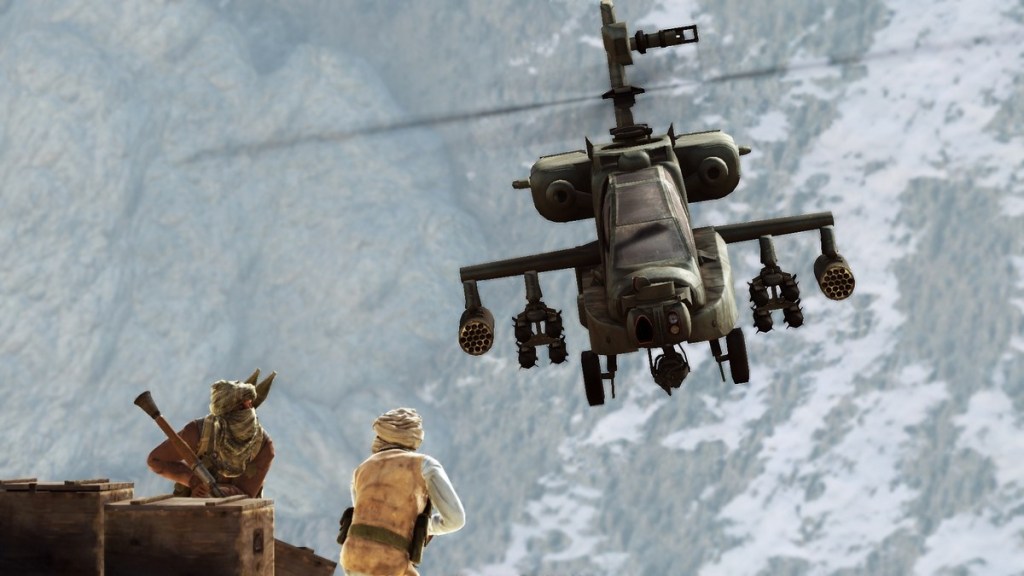
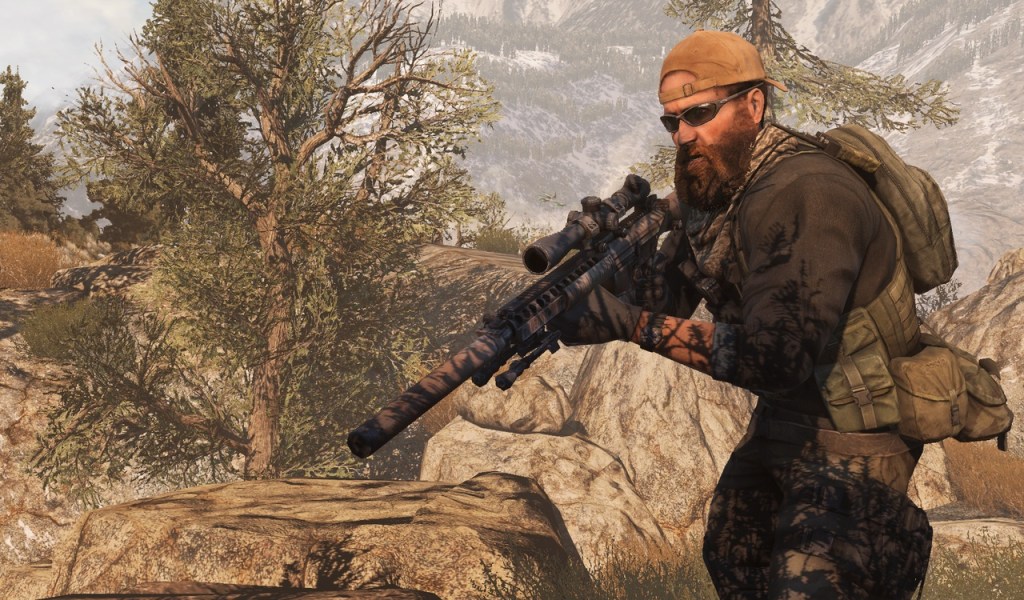
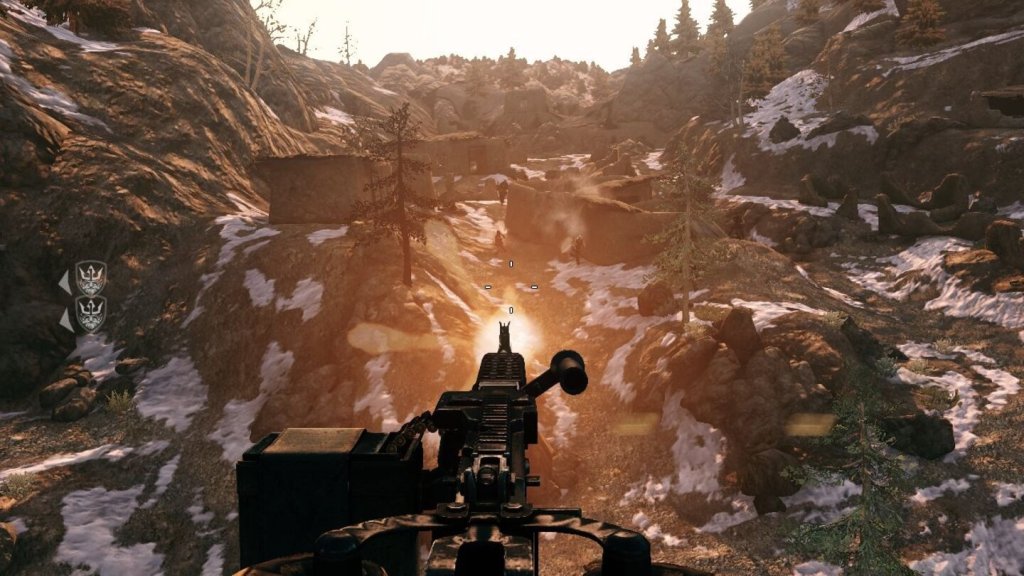
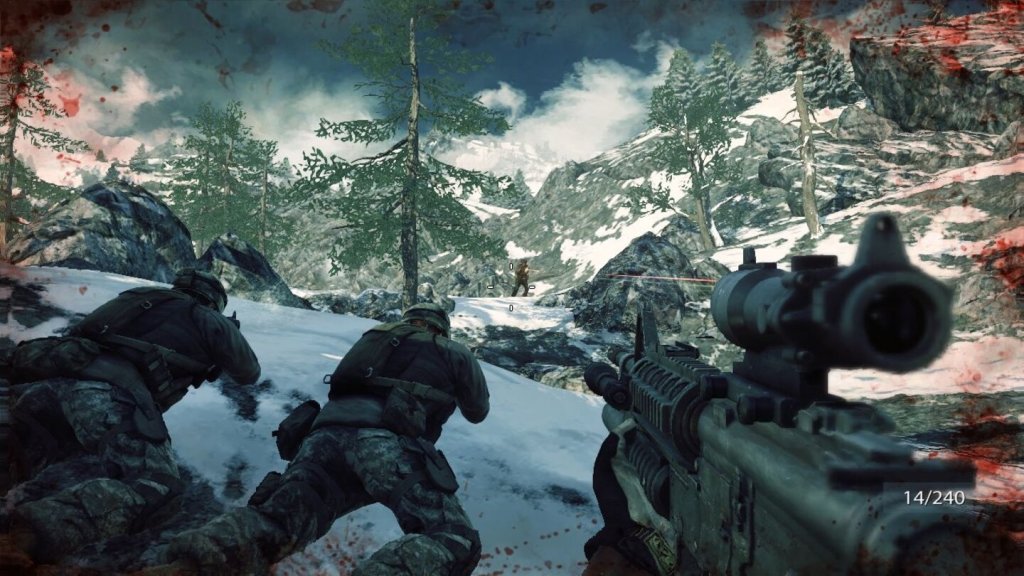
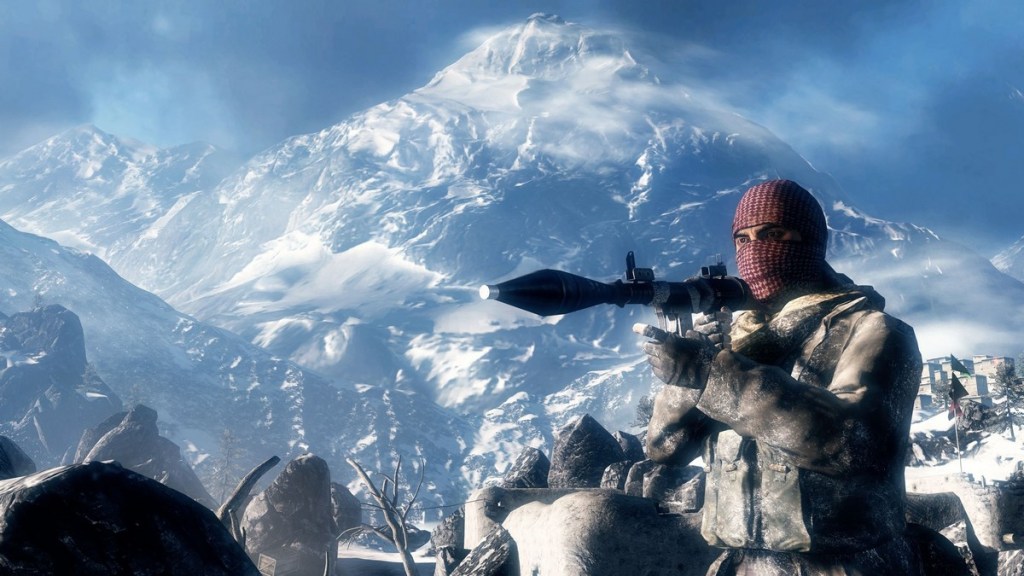
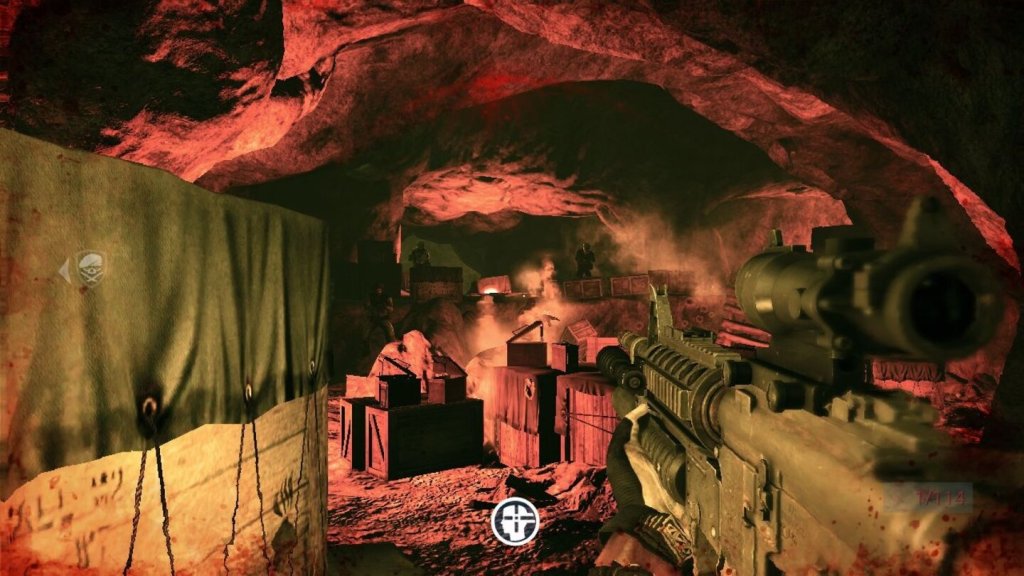
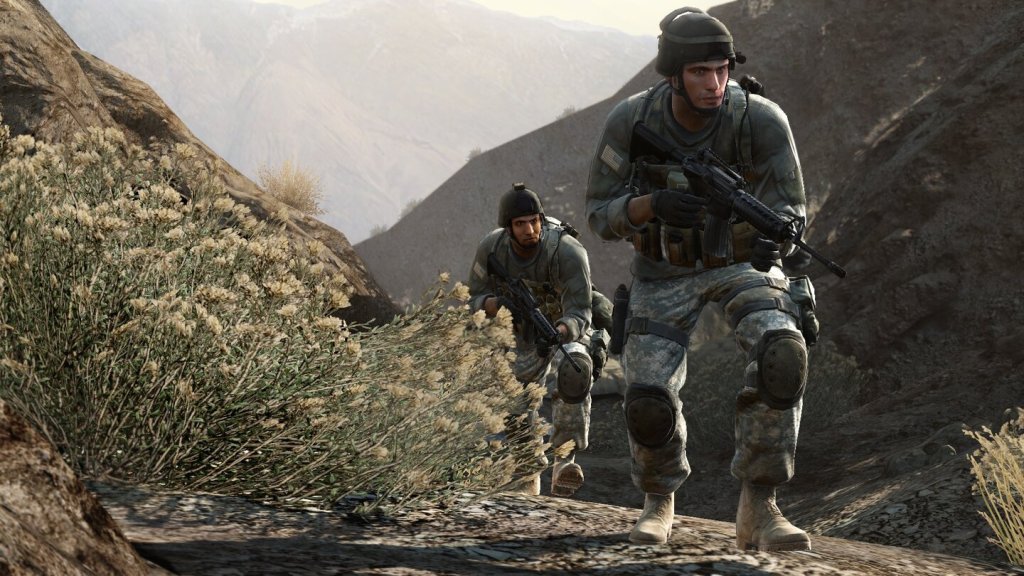
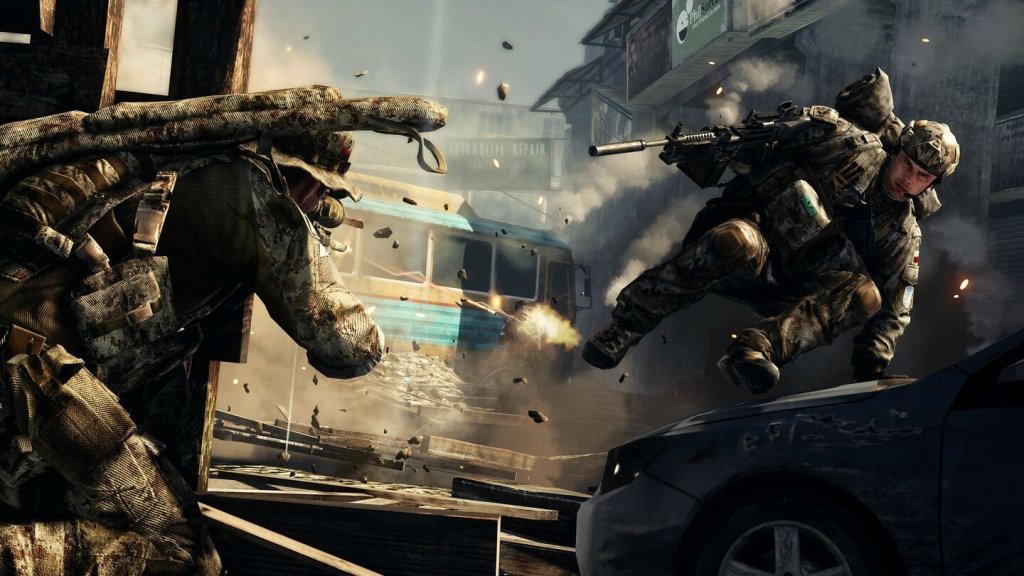
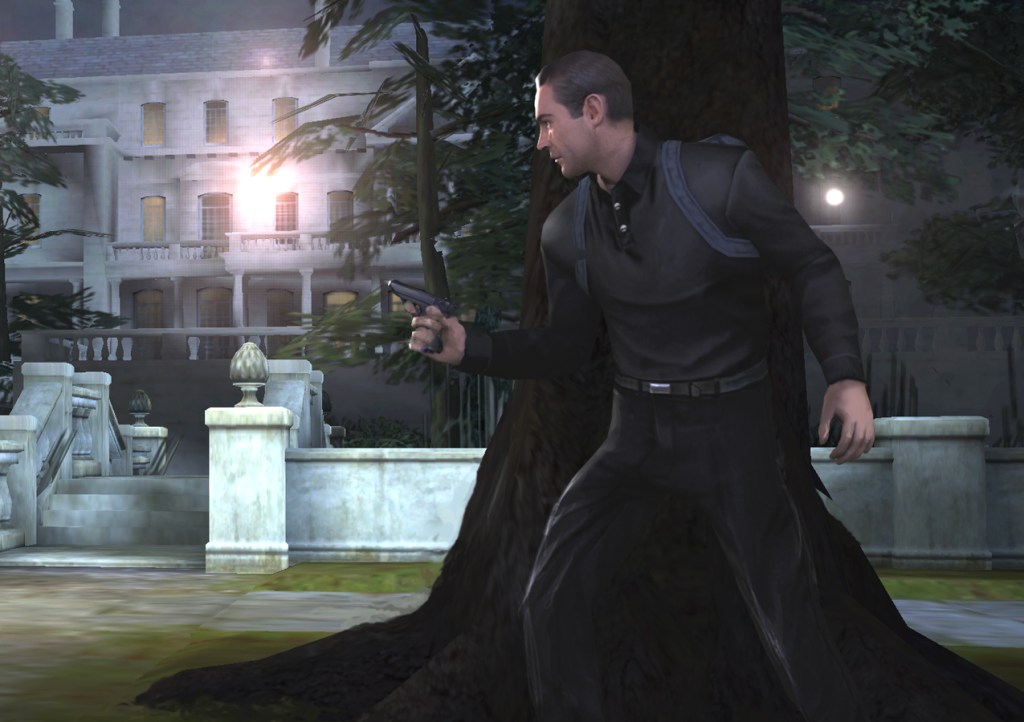
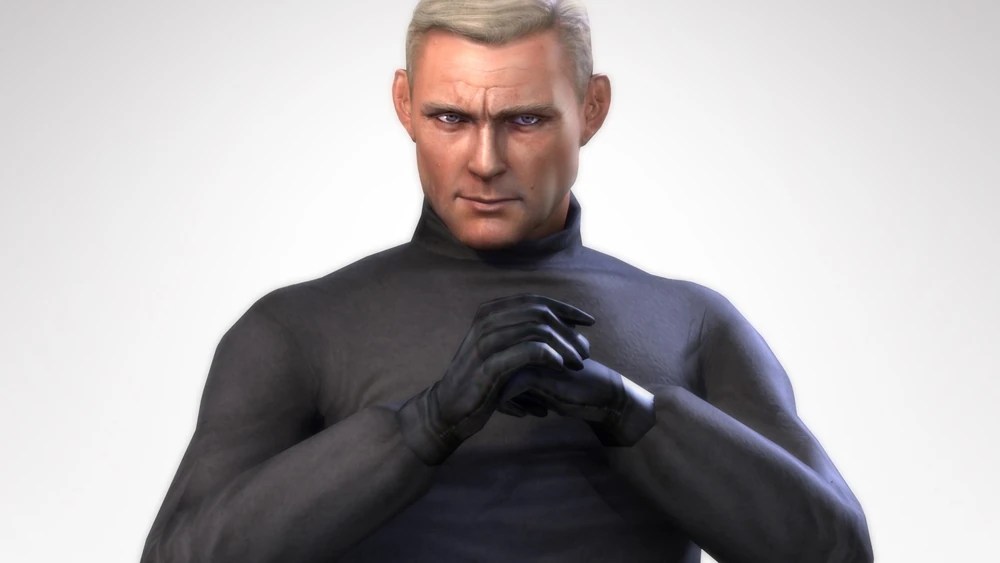
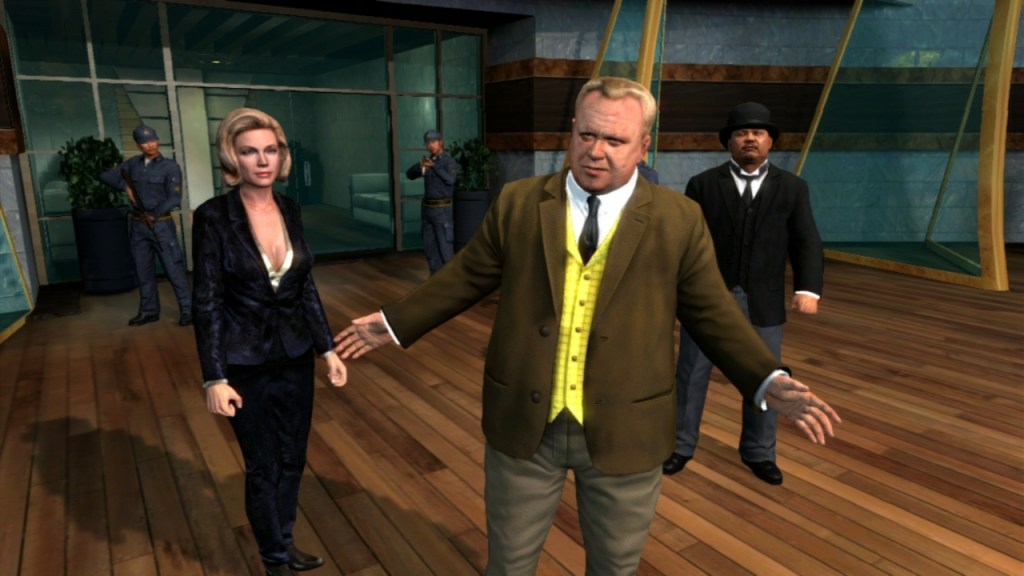
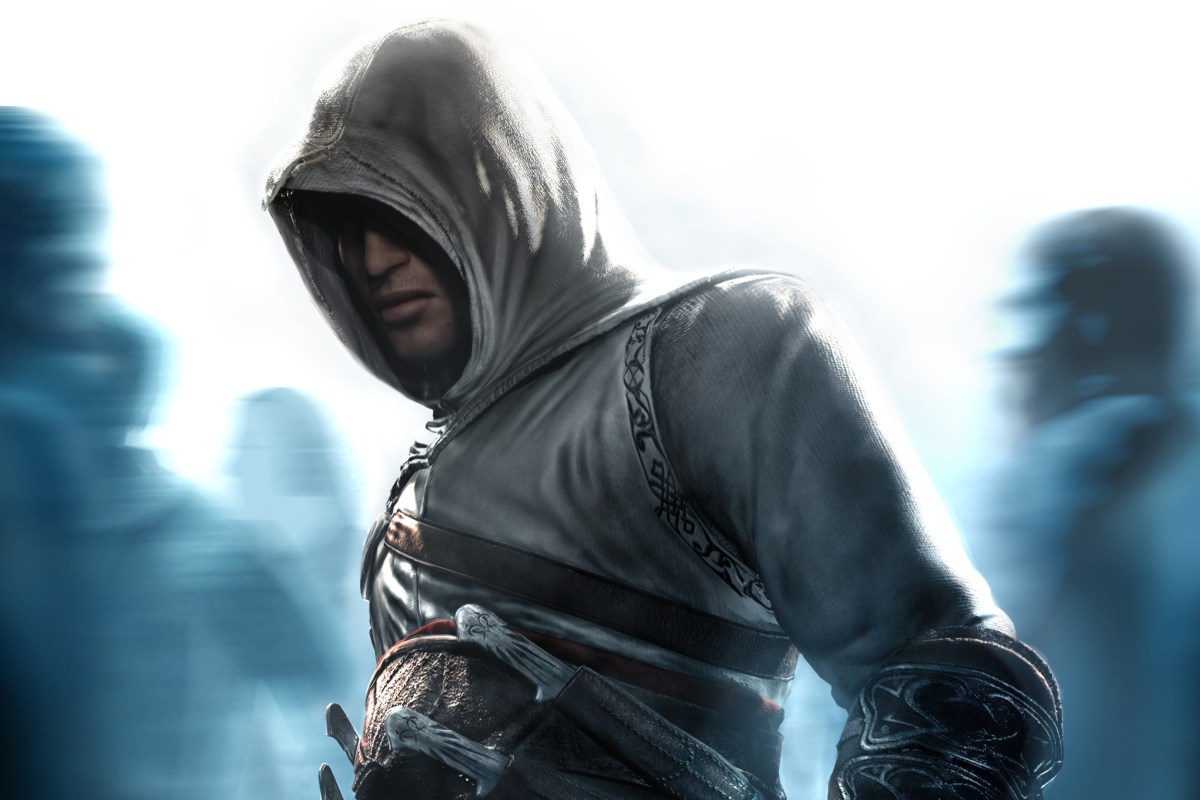
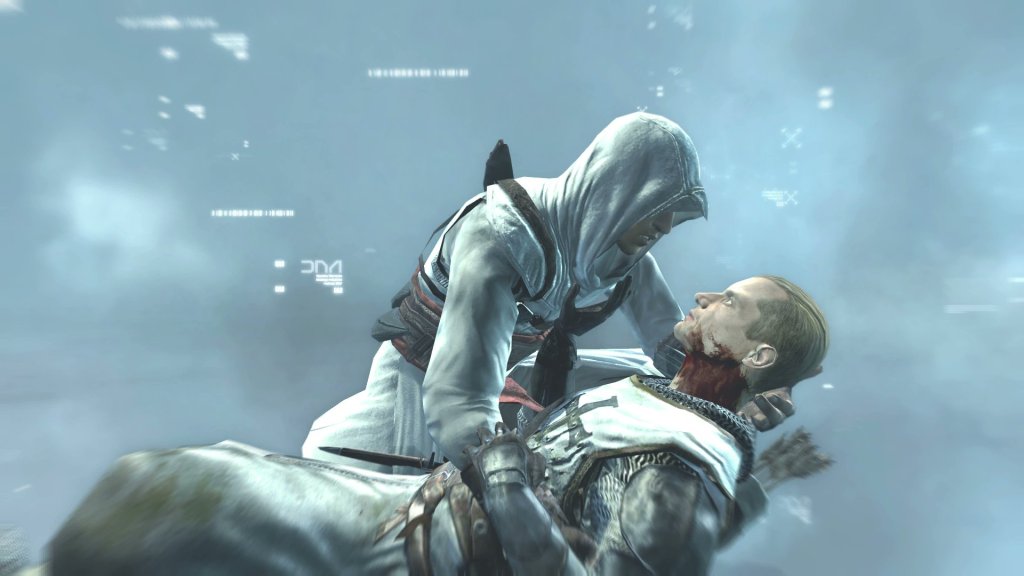
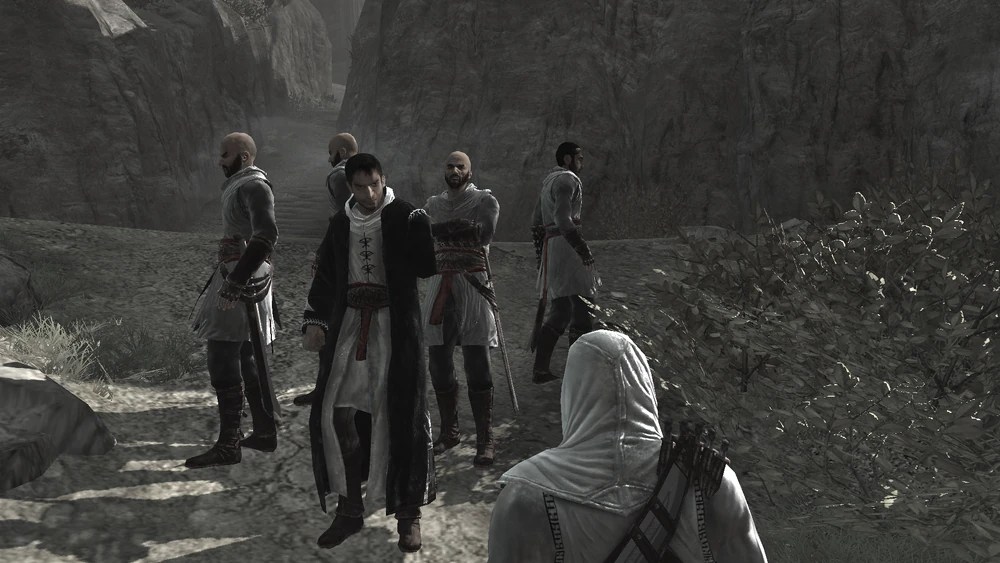
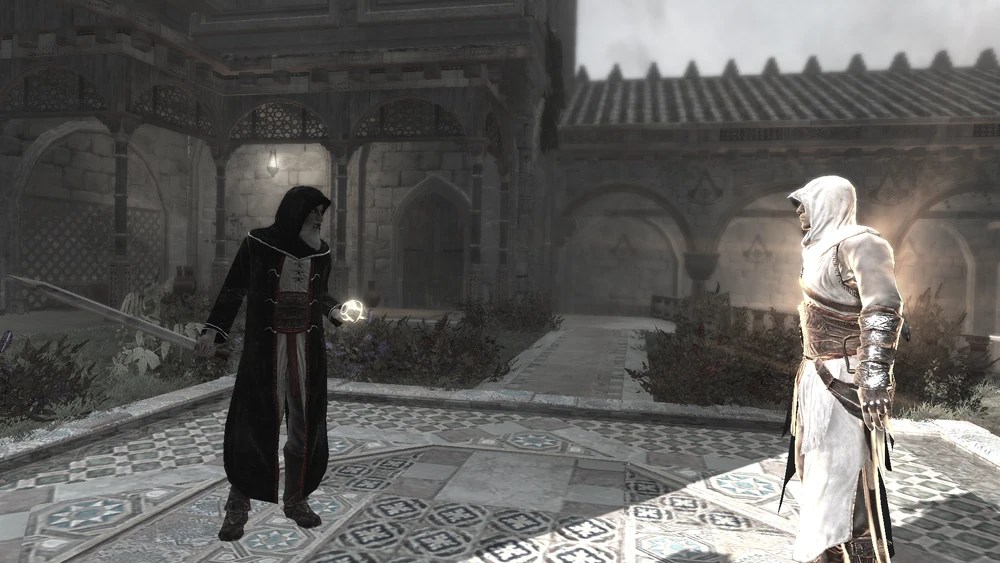
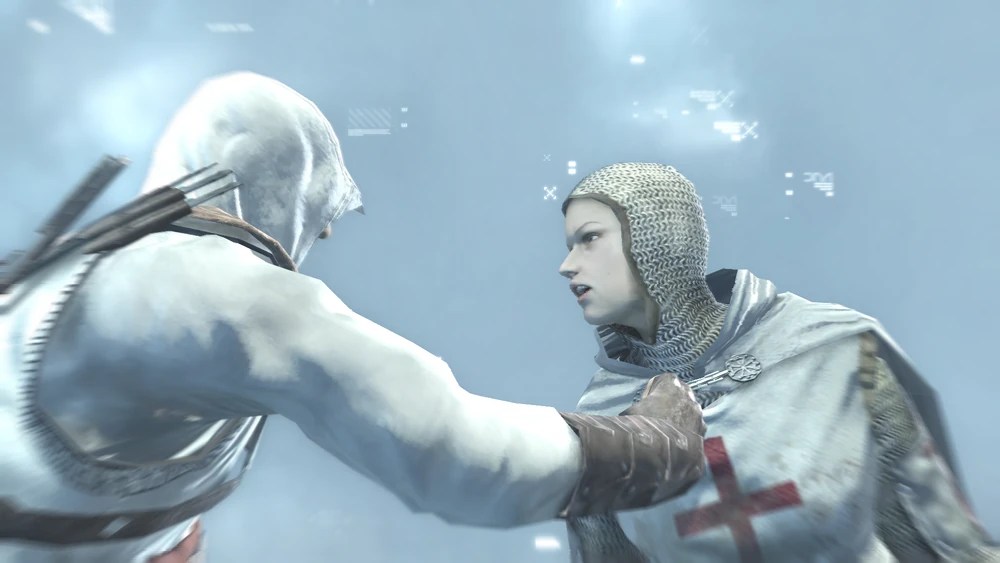
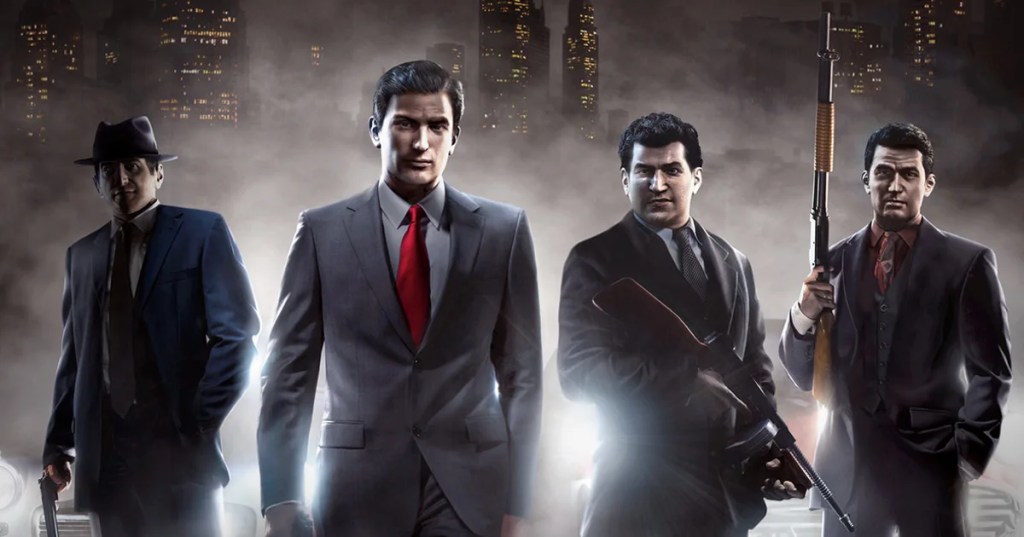
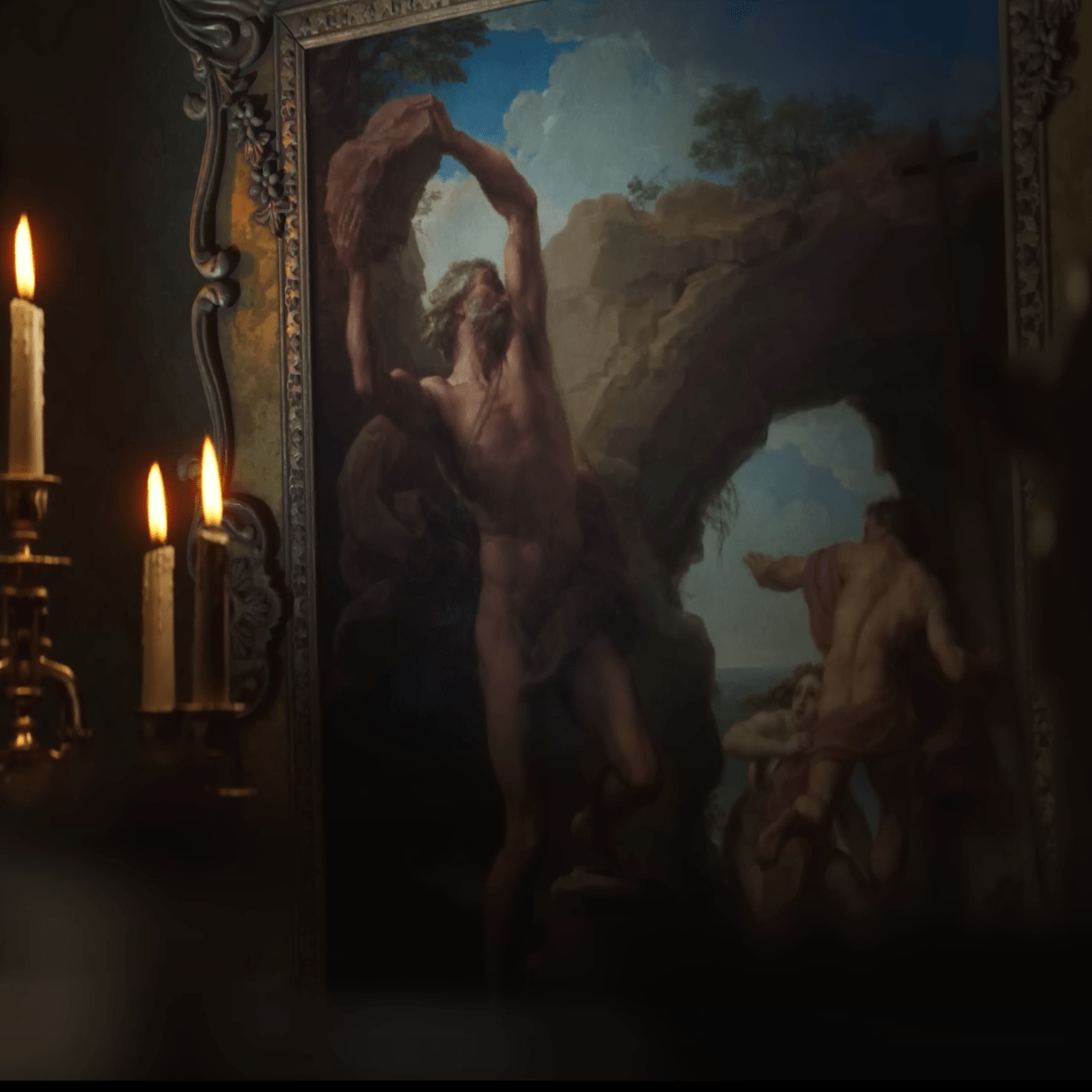
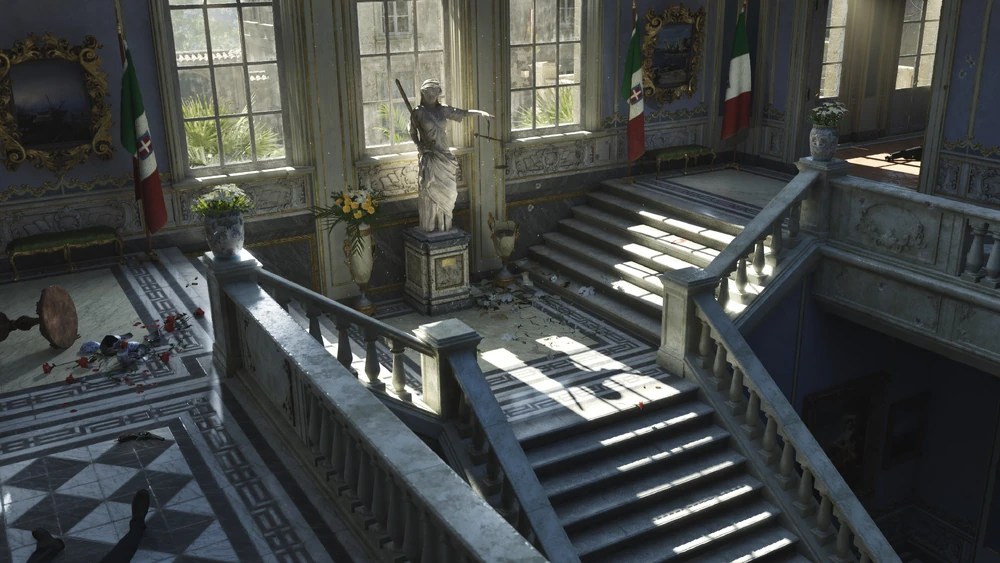
 TOM CLEMENT | GAME PRODUCER | NARRATIVE DESIGNER