For the last year I have been working through a backlog of Xbox and 360 games that I never played before.
Alongside stone cold-classics like the original Halo or Medal of Honor: Frontline, I decided to pick up a game I had seen on store shelves for nearly two decades; Secret Service.
As the name suggests, the game has the player take on the role of a Secret Service agent protecting the President of the United States of America.
Now, to anyone that frequents game-review videos on YouTube, it might sound odd that I want to play Secret Service.
Even just a cursory glance at its Google page or YouTube search results would indicate it is one of the the worst games ever made.
However, I think with getting older, my priorities within gaming have changed. When I was younger, narrative was the sole thing I was interested in. Then a little older, solid gameplay became the main reason to play.
Nowadays, I’m all about the concept. A log line, a 20-seconds elevator pitch, something that makes me say, “I want to play that right now!”, that’s what will make me try a game out.
It’s not the first game I’ve chosen for its concept. Other games were Medal of Honor (2010), Mafia III, and Assassin’s Creed: Valhalla, all games that were seen as generic in gameplay but had solid concepts, and that alone gave me joy.
If I can see the concept through the game, then I’m sold. So I decided to give Secret Service a try.
“The President is in the crosshairs. Is the assassin in yours?” (Source: gamewatcher.com)
***
“Get Down Mr. President!” – Two Brief Playthroughs of Secret Service
I don’t usually remember the first thought I have about a new game, but I do remember it for Secret Service.
Oh god my eyes!
The game starts at the Lincoln Memorial, where the out-going President is making a pilgrimage to the famous statue, when bang/whizz/flash, terrorists storm the event and shoot the Prez in the stomach.
The player is then armed and told to keep the terrorists back while a helicopter can be flown in to get the President to safety.
Dropping players right into a shootout is an exciting opening, it’s just the gunplay here is lousy.
Whenever I fired a gun when aiming down the sights, the crosshair flinched right into my brain. Hip-firing is even worse, with bullet spread mimicking Jackson Pollock’s painting style.
And the weirdest addition of all, reloading a weapon causes the FOV to focus-rack, blurring everything but the gun. I’ve never seen this before in a game and it’s so confusing…like, why? In what way does that feel good as a player or designer?
Controls aren’t any better. Movement is comparable to a tank stuck in the mud. I quickly headed to the settings to up the sensitivity, but the main thing that enraged me was the walking speed, which felt closer to a tractor than a special agent.
I was not having fun. But I powered on. I had my concept and I was seeing it through.
A cool concept opening that sadly shows the worst of the game (Source: myabandonware.com)
***
The shooting of the outgoing President is only the start of hostilities.
Washington D.C. and the new President are also under attack by foreign invaders, and so it is up to us, Special Agent Pierce, to work our way through famous landmarks in Washington and stop the terrorists by any means necessary.
Onto the second mission, fighting through the halls of Capitol Hill. The core loop in this level is clearing out the terrorists, going room by room, corridor by corridor, retaking the building and disarming some bombs that have been smuggled in.
After the first few rooms, I gave up on the MP5 the game had given me as my primary weapon. The bullet spread was just too bad to play with. I decided to switch back to the service pistol.
And it was here where I found enjoyment for the first time in Secret Service. Using the service pistol, it gave sense of role playing, using the same gear as a proper agent would. Not to mention the pistol had a quick Aim-Down-Sights, meaning I could pick shots easily and decidedly.
I settled into a groove, playing more like original Rainbow Six, cautious movement and small sporadic violence, than the reaction-based fights of Call of Duty.
In general, the game’s vibe actually does lean more towards Rainbow Six. It’s no surprise that the developer of the game, Cauldron HQ, are more well-known for their tactical war games like Arma and Operation Flashpoint, modern military games that focus on hyper-realism.
The game aims more for spectacle than slow-burn gameplay (Source: gamewatcher.com)
***
You can almost see the threads of that pedigree in the game. The quick Time-To-Kill (where enemies can put the player down with one well-placed shot), a dedicated peek button to have a tactical advantage in firefights, and later working as a team to protect the President from harm.
The finale of the second level takes place in the main Capitol Congress Hall, facing enemies firing from the viewing balcony at the cowering politicians below.
It’s a cool set piece, having to move from table to table as the bad guys circle from above before they attempt to storm the ground floor.
One interesting point in this mission is the simple but effective visual design change of the bad guys.
In levels that take place in public, they are usually dressed as civilians. Missions inside government buildings like the Congress level have the enemies wearing militarised vests and holsters, and the final levels have them dressed in full special forces gear as they attempt to take the White House.
It’s just a nice touch showing the coup attempt going from rush attacks to an all-out invasion.
Talking of the invasion, let’s discuss the story of the game…or what is left of one.
A story like this is inherently political; your role and the gameplay is literally saving the President of the most powerful country in the world.
And coming from a developer outside the USA (Cauldron HQ come from the Czech Republic), this might have been an interesting take on how the USA is seen from an outside perspective.
Loading screen text between missions doesn’t do much other and set up the next location (Source: myabandonware.com)
***
The game starts a with a vague and slightly incomprehensible Call of Duty 4-style opening cutscene about a fictional South American country called Costa Sentava.
It’s a smash-cut of new reels and dates, flying through oil fields, attempted coups, biological nerve gas, and possible CIA subterfuge in the country.
Then skip forward to the presidential inauguration and then it’s all, “For El Presidente”…and that’s it.
Sure, there are more twists than an M. Night Shyamalan film about pretzels, with double crosses, fake-out double crosses, and triple crosses that by the end I was more baffled than anything.
The story does have some interesting ideas, but they are all in “Cell Phones” dropped by enemies, essentially CoD4 intel (oh, the beauty of 2008-era technology, where all the pickups are all clam-style flip phones).
These voice messages start out with the Costa Sentavan forces justification for invading, then slowly turning as they learn about the atrocities their comrades are performing, and finally breaking into factions, fighting each other, and attempting to flee back to Costa Sentava.
It’s interesting to read and would have been great to acknowledge in the game. One cell phone voicemail has a terrorist break down after a famous Sentavan poet at the US inauguration is shot dead. It could have been a powerful moment to show, cutscene or not.
All the cutscenes in the game are wireframe briefings, but none make much sense. (Source: YouTube, Global Gaming)
***
Back to the missions. So while my hopes were raised by Mission 2, then were quickly tempered back down again by three huge sewer levels; long grey corridors of supposedly the secret bunker of the President.
It’s here where the game becomes a puzzle platformer as you have to navigate several electric fences and laser trip mines that you can only see with Night Vision goggles.
Night Vision that coincidentally has a limited battery, meaning sometimes you have to wait in the dark for it to recharge.
There are brief moments where the level design is cool, like fighting through bunker offices and break rooms, at one point there is a missile about to be launched that needs deactivating. Who knew that the basement of the White House held a nuclear missile?
Halfway through these sewer levels, the Secret Service think you are a double agent and they begin trying to stop you.
Player character, Special Agent Pierce (voiced by Nolan North, more well-known as Nathan Drake of Uncharted fame) is told to stop heading towards the White House, but goddamit someone has to save the President, and he’s the only one who can!
However, because the other Secret Service agents are simply misguided people following orders, you can’t kill them, and so you can only use a taser to take them out.
Later on there are a mix of Secret Service and Costa Sentavans aiming to kill the player, meaning having to switch weapons constantly between lethal and non-lethal. This would be an interesting subversion of gameplay, if the weapon switch didn’t take an age to do.
Unlike CoD4‘s pistol switch (which, and say it with me now, “is always faster than reloading”), Secret Service has a rack-slide animation every time you equip a gun.
Talking of weapons, they are the default set for a modern military First-Person-Shooter. Pistol, SMG, AK, Assualt Rifle, Shotgun, Sniper, RPG, all that good stuff.
The shotgun is fun and quick, and I’ve already praised the pistol as a prop for roleplay. All the machine guns are terrible, bar the one we get in the final missions of the game.
The sniper surprisingly doesn’t need breath control, which actually is probably for the best. The sticky controls severely impact the gunplay, so to rip another gameplay idea from CoD would be too much.
The iconography of Washington D.C. is used quite well, including the finale at the White House. (Source: gamewatcher.com)
***
The player finally emerges from the three long sewer levels into the White House. It’s a fun segment, the game has given us the best weapons and plenty of cover. Night begins to fall as the Sentavan Special Forces close in, ready to finish the job.
We defend the Oval Office from terrorists coming through the Rose Garden, making quick dashes across the patio to defend different parts of the complex.
The game then tasks us with going up and down stairs and switching from short range engagements to long-range sniper battles, and it actually feels like the game is starting to come together.
Then after a quick helicopter ride on Marine One, where Special Agent Pierce commandeers the machine gun on the side in a very watered-down recreation of the AC-130 mission from CoD4, we arrive at the final mission.
It’s another CoD4 rip-off, this time “Mile High Club”. The Speaker of the House and evil Secret Service agents have taken the President hostage on Air Force One, and you are the only one able to stop them.
Just like “Mile High Club”, it’s a quick dash up and down the plane, shooting anything that moves, and ends with you having to take the shot that kills the bad guy and saves the President.
Fun fact, you can intentionally botch this final shot, giving you a 0G Acheivement titled, “The Exact Opposite of Your Job”.
Everything feels like placeholders and hurts the game’s style. (Source: Video Game Museum)
***
Conclusion
I have mentioned Call of Duty 4 so many times in this retrospective, because for all intents and purposes, this is just a quick CoD clone, released almost one year after CoD4. And hey, it was even published by Activision.
Everything from the titles to the UI feels basic or like placeholder assets, would it have been so hard to give the team the CoD4 engine and reskin it?
Released on 4th November 2008 (the LITERAL day of the US Presidential election, poor-taste-be-damned), this game feels pulled in two directions.
I commented earlier about the more tactical approach to gameplay, and it’s probably what this game was originally going to play like.
But with the election being a perfect marketing gimmick and CoD4 being the game of the decade, the team was probably ordered to follow the market (not the first time a publisher, or even Activision, would have told a team, “make it like CoD.”).
I don’t think this is the worst game ever as so many YouTube videos have described. It’s probably the worst first level I’ve ever played, but when the game manages to get all its cylinders firing in the right direction, it becomes a passable CoD variant.
And conceptually, I was thrilled.
Moving through famous locations like the Lincoln Memorial, Congress, and the White House, playing a role seldom seen in gaming, using some punchy weapons (which on lower difficulties can be fired from the hip with startlingly accuracy, turning Secret Service into a fun Doom mod), I got more than I expected from Secret Service.
I’m not going to say go out and buy it or that it is an underrated gem, I think I more pity it. With more time and a stronger tactical approach, I think it could have found a niche audience.
My childhood curiosity of the game was satisfied and I had some fun in the brief hours it lasted, and that’s all I can ask for.
As someone who played games in the late 2000s and early 2010s, I have played Call of Duty.
Much has been written about the revolution Call of Duty 4: Modern Warfare was to the gaming landscape, catapulting creators Infinity Ward and publisher Activision to great heights, but also changing the way games are made and played even to this day.
For many years CoD was the gaming king. There were an other major shooter hits around the same time, with Halo 3 for the Xbox 360 selling over 14 million copies in 2007 and Battlefield: Bad Company releasing one year later.
Battlefield and Halo are big franchises in their own right, but Activision and the teams of Infinity Ward and Treyarch started a tag-team trend of releasing a bestseller game every year.
Two years after CoD4 and the monster smash-hit release of Modern Warfare 2, other developers took the sign that the modern military shooter boom was here to stay and so planned their own “Call of Duty Killer” games.
Electronic Arts, once the founder and leader of the military first person shooter market with Medal of Honor, had been seeing moderate review scores and sales, but nothing compared to CoD. There most recent title at the time, Medal of Honor: Airborne, released a few months before CoD4.
But when ‘modern warfare’ became the genre du jour, EA looked like they were literally stuck in the past, only releasing games set in World War II. So after a three year hiatus they decided to bring Medal of Honor out of the past and challenge Call of Duty in a modern war.
And now over fifteen years later I want to look at this game, what succeeded, what failed, and what it tried to do.
Heroes Aboard: A Look Back at Medal of Honor (2010)
While Call of Duty wasn’t the first game set in the modern day, it was the first to make a big impression and be accessible to a wide range of gamers.
Part of CoD4’s cultural mass adoption is both its time and place. Releasing in 2007, making a note on two recent hazy military conflicts that had seemingly outlived their welcome, it took the imagery of modern warfare yet left the political wrangling to the side.
It’s clear even when looking at the shift from the first Modern Warfare to Modern Warfare 2. MW2’s first mission, “S.S.D.D.”, lists the location as Afghanistan. In Modern Warfare, despite other locations such as the Bering Strait and Western Russia being listed in their opening cards, the ‘Middle Eastern’ locations are never named.
It’s a small distinction, but a notable one; CoD did not want to tangle with ongoing conflicts.
For the majority of World War II games, a lot of the gameplay was inspired by real life locations and events. So when CoD decided for Modern Warfare it would stay quiet on the current wars, Medal of Honor played an interesting card and set their game during the invasion of Afghanistan.
The story would be based around “Operation Anaconda” in March 2002, the second largest operation to that point in the War in Afghanistan. The game retold the events surrounding a two-day operation, playing off multiple angles and operators.
While names had to be changed and events streamlined, the plot sticks close enough that anyone reading the documentation of the operation can match the real operators to the characters.
It’s an interesting hook, an eye-catching and novel move, yet many believed it was disrespectful to play a depiction of an ongoing conflict.
Controversy was further highlighted when Amanda Taggart, senior PR manager for EA commented, “Most of us having been doing this since we were 7 – if someone’s the cop, someone’s gotta be the robber, someone’s gotta be the pirate and someone’s gotta be the alien…In Medal of Honor multiplayer, someone’s gotta be the Taliban.”
Immediately bans were called for across the world and eventually the Taliban were renamed to Opposing Force in-game, but the vibe had been set, MoH was going to stay in the real world. There hadn’t been many like it before, the only high-profile game that tackled a similar aspect was Six Days in Fallujah set in the Iraq War, which was ultimately cancelled in 2009.
So with the context set up, let’s have a look at the gameplay and plot.
Medal of Honor was influential in the WW2 shooter space, but by the 2000s the setting was stale. (Source: YouTube, ViruZ A.G.)
To discuss how Medal of Honor plays and presents its story we must continue to talk about Call of Duty 4: Modern Warfare.
But why am I still comparing MoH to CoD4? MW2 had come out the year before MoH. Even comparing it to Black Ops would be a more balanced argument, as both came out the same year and faced a similar uphill battle as the “new” face of the franchise.
It’s because for all intents and purposes, Medal of Honor’s reference is Call of Duty 4. The grounded setting (with a dash of real-world politics) and a mixture of both regular infantry and special forces; that combination catapulted CoD into the mainstream.
MW2 and Black Ops moved the series into a larger-than-life action movie; thrilling for sure, but for those looking for a more realistic depiction of war, CoD was slowly slipping away. So there was a prime spot of gaming real estate for Medal of Honor to quickly step into by catering directly to CoD4 fans.
CoD4 has a total of twenty levels, including both non-combat missions (“The Coup” and “Aftermath”) and discounting “Mile High Club” (as it is not connected with the story).
Medal of Honor has only ten levels, yet they are significantly longer and both games take around the same time to beat (around 5-6 hour mark).
I’ve written previously about CoD4’s excellent pacing, placing the player first in the boots of a Special Forces team member and executing stealthy and surgical engagements before ratcheting up the ante for regular infantry roles. It is the perfect balance of the scalpel and the sledgehammer.
Medal of Honor for the first time in its history was going to have several playable characters. Previous games had been focussed on a single character. The multiple characters approach feels like a direct response to Call of Duty, which had been doing character swaps since their first game.
Those character swaps allow for the excellent pace development and so just like CoD4, MoH starts with a surgical strike by a team of special forces before moving to Big Military engagements.
After an ominous opening where we listen to newscasters and street-level civilians reacting to the 9/11 attack on the World Trade Center we flash-forward to an airborne insertion that goes horribly wrong (copying Black Hawk Down) to then a night-time silent rendezvous in Afghanistan two days prior.
It’s a little jarring, but a standard enough opening and echoes CoD4’s first mission, “Crew Expendable”, where a top special forces team readies for an infiltration.
The mission opening also gives us the first bit of chemistry between our Navy SEAL (Neptune) teammates; Mother, Voodoo, Preacher, and player character Rabbit. The codenames are cute and obviously inspired by Soap, Gaz, Roach, and Ghost from the Modern Warfare trilogy.
As Neptune drive into the town in separate vehicles, Voodoo turns off Rabbit’s music on the stereo and makes some jokes with Mother over the radio. The nighttime drive becomes intense as they weave slowly through tight-knit streets and are momentarily stopped by a shepherd and his flock (who Voodoo berates in about three different languages).
But suddenly, bang, whizz, flash, gunfire and explosions come from all angles as Neptune gets split up and Voodoo rams his car through a couple of roadblocks until he and Rabbit can get out safely.
While the mission starts okay with the nighttime drive it quickly loses any tension or build up just by how LONG it is. The mission, titled “First In” from start to full control to the player is OVER SIX MINUTES. It is painful to sit through.
“Crew Expendable” from CoD4 goes from setup cutscene to weapons free in just over a minute.
CoD4 cooly and confidently brought modern warfare to the FPS market. (Source: nerdreactor.com)
It’s also not the best start to the game. It’s a lot of explosions, gunfire, dark pathways and corners. Even with cool night-vision goggles the level seems so devoid of fun; the most generic corridors and streets with the most stereotypical of enemies. It reminded me more of the first mission of Black Ops that released the same year; gunshots, grenades, hysterical shouting, screeching cars, but nothing that would tie it all together. In the end it becomes exhausting.
So the player goes through the standard FPS starter lines; point-click shooting, waiting for friendlies to open doors, primary, secondary, melee, all that good stuff. Players can kick in doors, which is a new feature, but is nothing more than an extra animation.
The truly new feature that Medal of Honor brings to the 2010-FPS landscape is movement. If players sprint they can slide when holding the crouch button ostensibly to get into cover. While in cover (or general gameplay) players can use the lean button to peek out and shoot in any direction they want.
These are two great mechanics, perfectly complementing each other and changing the way I would play the game. All FPS players are used to waiting behind cover before either playing a game of whack-a-mole or having the sacrifice their health in an effort to push forward.
With Medal of Honor the slide encourages pushing forward as well as evasive manoeuvres. Sliding between degradable cover from oncoming fire or out of the splash range of a grenade feels great, evoking third-person-shooters in their style but maintaining the traditional FPS. The slide also drops players into a crouch or prone, ensuring player health instead of getting shot while finding cover.
If the slide is for aggression, the lean is for defence. While at first you will use it to quickly snap over or around cover, its true usage comes when taking enemy fire. While using the lean button the movement stick becomes your axis, keeping you still but allowing you lean in every direction.
This can be exploited to great effect; say your degradable cover is chipped away until you are visible if you are crouching. But if you use the lean button and lean “downwards” the player can effectively still use the remaining cover. When a player realises this it then compounds the slide as you start to see new possible cover places that can be used with the lean.
It’s a great tool for enemy placement as well. You can quickly lean out of cover and see where the enemy are and get ready to counter instead of having to continually stand and crouch like other FPSes. Lean and aim are bound to different keys allowing for quick battlefield surveillance and response with a snap of the fingers. It’s also nice that that you hold the lean button rather than tap it to engage and release. It feels much more responsive and allows for fast-paced fighting.
The SEALs wear traditional Afghan attire to blend in with their surroundings. (Source: store.steampowered)
Back to the first mission. Gameplay livens up a little bit once the four members of your squad rally together and head onto the rooftops of a little fort, eventually doing battle across a town square and playground. It’s an interesting location; a nice solid arena for gameplay while giving a hint of life before the war and also highlights the great landscape of Afghanistan in the background.
If you ask people what is the landscape of Afghanistan most people would probably say deserts and sand-blasted cities. While we do get to trek through some wadis and battle in ancient desert forts, the game does a tremendous job of showcasing the wide-ranging beauty of the “Graveyard of Empires”.
Snow-capped mountains, wide gorges, dense forests, it’s stuff that isn’t immediately associated with Afghanistan, but is 100% true to the location. The little things in said landscape too; goat trails, pilgrimage posts, Soviet wreckages, concealed nests and doors, they give the space a sense of real life, of centuries of warfare and people learning to exist in the harshest of landscapes.
After surviving a booby-trapped explosive corpse the team find their contact Tariq and begin debriefing him. During the debrief we also get a slight injection of politics into the story. When Voodoo starts to interrogate Tariq about the ambush and whether Tariq is on the side of the Taliban or not, Tariq responds;
“Please. I have a daughter. I want her to go to school. I want her to be a person, to have a life. Do you not understand?”
It’s a far cry from Call of Duty and Battlefield whose reasoning for going to war is not even some vague notion of “freedom” or “security”, just head to a vaguely Middle Eastern/Eastern Europe looking area and shoot everyone that you see.
It’s a small moment, not even 10 seconds long, yet it makes a case for why we are here and what is sacrificed if the US leaves. Then BANG, straight into the second mission, “Breaking Bagram”, a more high-intensity mission about retaking a Taliban-held airfield that will be the main base for the invading force.
I wanted to also take a moment here to mention the tags at the beginning of each level. Obviously plucked from CoD, each levels starts with the “name” of the character, their team, the local time and the location. However they are so bland, simple white text on top of the screen that they almost feels like placeholders.
They are in the same position on-screen as the CoD text, but they don’t have any animation, no cool SFX or visual design, they just appear and then get immediately lost among the visuals when the gameplay picks up.
The mission details could have been a place to add some character to the game. (Source: riotpixels.com)
The second mission starts explosively with a daybreak siege on the airport with Rabbit riding shotgun in a pickup truck and spraying at enemies with a huge light machine gun. Arriving at the gate of the airport the calvary splits up. While the Western-backed Afghan National Army storm the front gate the Neptune boys circle around and work through the mortar fields and sniper nests.
The opening is fun and gets the blood pumping, but after getting out of the truck and heading out on foot the level falls back into that generic hallways and spaces like the first mission.
Even something like a missile strike; where MW2 would have you rain down Predator missiles yourself here in Medal of Honor you just point a laser pointer at a single building and then an explosion happens. It feels so anticlimactic.
But after sliding and shooting we finally get to a nice open arena style again, with the radio tower as our goal. Sniper and rockets keep raining down if you stay still for too long or out in the open so it encourages pushes and slides so that you can reach the tower. It’s a cool set-piece and again a great ending to a somewhat drab mission.
The next cutscene shows the Big Military landing and setting up in the airfield and becoming the Command Center for AFO Neptune. We get some back and forth between the young colonel in the base and an older general safe in his office in the USA. I don’t know if these are based on real people, but it’s the most Hollywood-cliche “young buck/old-hand” story and a serious weak point in the narrative.
Onto the third mission, “Running With Wolves…”, and our first character swap, stepping into the boots of Delta operative “Deuce” and the team AFO Wolfpack.
I did research for this piece to see the difference between Delta and SEALs; they are both top military teams, SEALs seem sledgehammer-style and Delta are more scalpel. While it’s interesting to see so many different facets of the giant machine that is the US Military there really isn’t much of a big distinction at this moment of the different tasks the teams will be performing.
We first meet Delta during Tariq’s debrief at the end of the first mission. It’s cool to see these top teams working together on a bigger goal even if it just via radio commlink.
The Delta boys are actually the poster boys for the reboot game. Deuce’s team mate, Dusty, is the guy on the cover of the box, he got all the marketing, he’s the only character in the game that actually has a distinct character all from that glorious beard (an alumi of the Captain Price School for Military Facial Hair I see). He’s obviously modelled of the real-life Delta operatives that were photographed during the battle of Tora Bora, the two-day event that the story is retelling.
A real-life Delta operative training recruits. (Source: reddit.com)
Deuce along with team members Dusty, Panther, and Vegas are outfitted with stealth ATVs and are tasked with monitoring Taliban shipments. The ATVs is our first real new mechanic, driving across the rocky terrain at night…and yet it’s not fun.
Even when having to stop and douse the headlamps so a patrolling group don’t see you, it never feels tense enough. I would say that stealth missions work best as a solo operative and not being hampered by other soldiers.
But CoD4 and MW2 had great stealth missions with a similar objectives, “Cliffhanger”, and “All Ghillied Up”, often highlighted as two of the best levels in the entire series. “Running With Wolves…” should feel the same; sneaking through the dead of night with hundreds of fighters in the surrounding area and having to use speed and silenced weapons to keep ahead and undetected.
Well, we drive around, shoot up some towns here, snipe a couple far-away enemies there and plant trackers on a few trucks. It was here where I was starting to think this is a boring game. CoD is often lambasted for its railroading approach to its campaign, but at least every stop is a fun little excursion. This just felt bland.
Onto the next mission though and back to the Navy SEALs as they begin to push into the mountains. The opening is cool, sneaking through the tall grass near a goat herder, who Voodoo quietly puts to sleep and revealing he has a radio to inform the Taliban of approaching US forces.
It’s in this mission where the real and overwhelming size of the Taliban fighting force facing the US is revealed. Neptune encounter scouts (using fires and smoke plumes to communicate) before finding AAA guns that intelligence missed. This missions is quite fun; moving from small sharp encounters to then longer more protracted battles, having to use cunning and stealth to thin out forces before charging headlong into battle. It mixes up the style of gameplay, which is refreshing.
The scenery is also stunning, looking over the mountain ranges and wide valleys, snow and pine trees litter the landscape, entering small caves and nooks that have the previously mentioned fire stoves, starting the mission in the dead of night and seeing the day break as you reach the final battles, it is something rather special.
The heat vision in Delta missions is very reminiscent of footage later shown on television news screens (Source: gamestar.de)
It also features a nice little connection to the previous Delta mission. Deuce and Dusty put trackers on vehicles in that mission and Neptune are able to call in airstrikes on those said vehicles during their battle. It’s small and we don’t get to shoot the missile, but it’s something.
Back at the airbase, communication errors lead to the US firing on friendly Afghan troops and opening a hole for the Taliban and Al Qaeda to exploit. Again, it’s highly-stylised, probably fictionalised and is the worst part about the game. To plug the gap in their forces the US deploys the Rangers, the closest thing to regular boots-on-the-ground soldiers in the story in their first level “Belly of the Beast”.
This is the best mission of the game, hands down. I felt this way when I first played the game, when I replayed it for this retrospective, and it seems to be the general consensus of the YouTube review crowd too.
The mission starts with a fleet of Chinook helicopters flying into the zone and the crass captain making clichéd remarks like he is an air stewardess and calling the men in his platoon “ladies”. The music ramps up as the helicopter lands and the troops rush out into defensive positions.
The privates rattle off calls of “clear” and the whole thing looks like a damp squib. As the soldiers resign themselves to the long walk to the OP, a rocket streaks across the sky and hits one of the departing Chinooks, sending the bird tumbling down right on top of the recently departed soldiers.
Gunfire erupts and mortar shells start flying as the troops realise they have already been marked in a kill zone and so run for cover to the walls of a nearby wadi. For the first time it feels like you’re on the back foot, having to shift cover to cover and take shots when you can.
The troops start making their way into the wadi to reach the OP, where the game blossoms into one of the most intense gun battles I’ve ever played through. The US are heavily outmanned and outmanoeuvred with enemies streaming down the mountains into the wadi, just visible by their silhouette through the midday sun haze.
The Rangers enter the story and show a different facet of the war. (Source: neoseeker.com)
The only trump card the US have is the bigger weaponry. The player character is the light machine gunner of the squad, carrying a scoped machine gun with 200 rounds ready to fire. While it can pick off headshots of far away enemies its main purpose is suppressive fire, halting the enemy from gaining ground and allowing your own squad to push forward.
Talking of that machine gun, Medal of Honor has some of the most powerful sounding guns I’ve heard in an FPS. Every gun from the silenced pistols to the snipers, shotguns, and rifles, nearly every gun has an excellent “pew” to it. The machine gun is no different with a nice hefty bass giving the the constant ratta-tat-tat a visceral quality. Compared to the Call of Duty of the same time, Black Ops, in which every gun sounded like a toy pop-gun, Medal of Honor really has quality sound effects.
So the troops starting making their way to the OP clearing small villages of fighters and finding old relics of the Soviet invasion. It’s a nice nod to the real historical and political aspects of the location and possibly a history that players may not have known about.
I didn’t know much about the Soviet invasion into Afghanistan, but this throwaway line made me interested in learning more. Anyone interested should read Boys in Zinc by Svetlana Alexeivich as a great non-fiction work focussing on the soldiers and their families.
Door breaching was a new mechanic, developed further in the sequel.(Source: neoseeker.com)
The level peaks in two locations; first is a mounted heavy gun encampment that is keeping other US troops from securing their objective. The squad is tasked with storming the placement, but the player is told to hang back. Being the light machine gunner we must lay down suppressive fire so the other teammates can get close and mark it for an airstrike.
It’s a unique premise after the years and years of both Call of Duty and Medal of Honor making the player character be the sole warrior to defeat the enemy. Now you’re just working as a cog in a machine and is refreshing to see these different facets be included in the game.
Not to mention the gun placement sometimes turns on the player and can quickly degrade the cover you’re hiding behind meaning we have to continually move while trying to deliver suppressive fire.
When the gun placement is finally marked and the rockets rain down, earth is kicked up and the entire screen goes dark for a few seconds before the sun breaks through and all that is left is the haze of debris and dirt. It’s a fantastic close-range look at the destructive capabilities of modern artillery, but while the squad members marvel at the explosion they don’t cheer or whoop like frat boys seen in the previous year’s Modern Warfare 2.
The second peak is the end of the mission. While securing a landing spot for medical transport, the squad are rocked by an IED, an improvised explosive device. Surprisingly the entire squad survives, but the explosion draws the Taliban’s attention and quickly the four-man squad are facing overwhelming odds.
The squad taking refuge in the only cover at the location, a mud hut that slowly deteriorates with each bullet. The player is tasked with aiming just at the enemies with rockets, but soon Taliban fighters try to enter the hut and so the player has to switch between long range precision shots and short range reactive bursts.
The haze kicked up from the air support. MoH does a great job at creating atmosphere (Source: riotpixels.com)
Over time your ammo stocks start to dwindle yet the onslaught never stops. You switch to your pistol and pick up random AKs from fighters that got too close and keep the wave back as long as you can. Your radio man is trying in vain to call for assistance, but eventually your squad leader tells him to stop. There is no way that help will get there in time.
Player characters have died before with Modern Warfare 2 featuring three iconic death scenes in gaming. Yet all were in “cutscene” mode, no agency from the player. Halo: Reach, released in the same year as Medal of Honor also had the player facing overwhelming odds and finally succumbing to their wounds.
Another EA staple, Battlefield, would try something similar with its opening for Battlefield 1 (which I also wrote about).
The moment hangs there for a good few seconds, letting the player’s imagination fill in how the end will look like, how it will feel.
Then a rocket sails overhead and hits the oncoming Taliban fighters. More rockets fire off followed by heavy machine gun fire. Two Apache helicopters come in at the last moment to save your life and forcing the Taliban fighters to retreat.
It’s a great moment, holding long enough to think that all is lost to then see the helicopters in gameplay come overhead and seeing the Taliban chased off. The squad are more than entitled to cheer and whoop at this moment as we shift into the next mission…and into the seat of one of the Apaches.
The Apache mission is a great break from the on-foot sections. We only control the weapons system for the helicopter, but that allows the computer to perform some beautiful low-flying sweeps inches from the canyon floors, or breaking over a peak into a stunning landscape. You can feel the crisp air and the direct sun heat beating down on Afghanistan and from the air the geography looks amazing.
The Apache mission is a fun and action-packed sprint between the FPS missions. (Source: neoseeker.com)
CoD: Black Ops also had a helicopter mission giving the player complete control. Having played both of them for this retrospective I actually have to give it to Medal of Honor. The Black Ops helicopter run while fun at the start devolves into a comical amount of destruction. Medal of Honor’s Apache run is fast and fluid, striking at a few targets then moving on. They know they are outnumbered so they move quickly and strike hard, which is what an on-rails shooting segment should be.
As the Apaches finish up their mission and cross back over a ridge they notice just too late that there is an anti-aircraft gun aiming at them. As they brace for impact a shot rings out across the valley hitting the anti-aircraft gunner in the head and disabling the system.
The Apaches say thanks to whoever it was as we switch back to the Delta boys of Dusty and Deuce, sniper rifle smoking from their shot. I really like these level transitions, they give this sense of a fighting force who each have unique skills and being able to click together on the battlefield. Nearly every mission until the end includes these transitions and they really add something to the narrative.
Back to Dusty and Deuce who are slowly and methodically taking out mortar encampments and foxholes. It’s alright, but there is not really any skill to it, no holding of the breath and only slight wind movement to factor in.
The mission does heighten up though when nearby claymores go off, indicating to Dusty and Deuce that enemies are closing in around them. Switching to your sub-machine gun, Dusty tells you to strike when the time is right. You choose when you starting firing, letting enemies get closer for easier shots or far away for better cover.
Dusty realises the forces are going in a different direction so Deuce pulls out the sniper again and sees Mother, Voodoo, Preacher, and Rabbit also being overrun by Taliban fighters. Deuce begins to pick off enemies and this time the sniping is relatively fun. It’s moving targets, covering our allies, it feels urgent and conveys it well.
Dusty and Deuce get ready to ambush patrolling enemies. (Source: neoseeker.com)
Another excellent transition into the next mission, where we travel across the canyon into the shoes of Rabbit as the rest of the team make their controlled retreat.
As there are only four member of the team, the squad has to “pepper-pot”; lay down suppressive fire and wait until their teammate is in a position to take over, then turn around and sprint down the mountain until they can take over again. It’s a great sequence, all player driven, either the enemy overwhelms you or the NPCs say you’re ready to move and I would be happy seeing it replicated in other games.
The team continue to retreat down the hill, while helicopters and bombing runs try to keep the Taliban at bay. Yet the Taliban have brought RPGs with them, so repeat runs are called off, leaving Neptune at their mercy.
Voodoo dislocates his shoulder in a fall so he and Rabbit swaps weapons, Rabbit taking the M60 machine gun. The new gun changes the rules of engagement; with the previous rifle it was tight shot placement, but the M60 allows for more liberal covering, similar to the Rangers a few missions ago.
A Chinook lands to collect the team before they are overrun. While Mother and Rabbit make their way onto the helicopter, it is struck by RPG fire and takes off early leaving Voodoo and Preacher behind.
It’s a great scene, all done in-engine, watching the two small dots of Voodoo and Preacher retreating while seeing the never-ending stream of Taliban fighters following after them, Mother shouting at the pilot to turn around.
Rabbit keeps the enemy pinned down to give Voodoo and Preacher (left) enough time to escape (Source: gamestar.de)
Mother and Rabbit are ordered back to base by the General but the two disregard and reinsert at the top of the mountain side, playing the same cutscene from the opening.
The screen flashes up “Day 2”, a little reminder that the team has been on-the-go for over 24 hours at this point. It harkens back to the numbered days in CoD campaigns, but if the timestamps at the beginning of levels had also included the day, it might have worked. The fact it only says “Day 2” now, two levels before the end, it feels like an afterthought, needing to place it somewhere in the story but not actually placing it with purpose.
Back to the gameplay, the helicopter starts taking fire and Mother and Rabbit have to jump out while the Chinook goes down. Jumping from the helicopter takes its toll on Rabbit though. He coughs up some blood as he stumbles into cover with only his knife and pistol as his weapons, his night-vision goggles damaged and displaying static every few seconds.
The stumble of Rabbit, which I thought to be part of the cutscene is actually the movement speed of the level, changing how players react. It’s novel and interesting playing a wounded solider having to continue into a firefight.
Atmosphere in this level is top-notch. The howling wind, the dark rock formations, the stuck-solid snow and ice on the ground with limited weapons and poor visibility, the game does a tremendous job of making the player feel totally isolated and alone. CoD at the time had never really done a mission like this; being hunted yet sticking to slow movement and silence, so props to MoH for giving us a unique level.
MoH makes great use of night vision throughout the game. (Source: riotpixels.com)
Rabbit starts to make his way towards the summit, knifing people here, silently shooting others there. He soon regroups with Mother and the two sneak by squads of fighters. They eventually get spotted and Rabbit has to resort to taking enemy weapons to keep himself stocked on ammo. Again, something new, having depleted ammo stocks and having to keep your eyes open for new weapons all while taking fire.
Rabbit accidentally sets off an IED, leading Mother to drag him away to cover while Rabbit gives covering fire. Obviously inspired by the chaotic ending of MW2’s “Loose Ends” mission, this one manages to keep pace with the more bombastic CoD. Small fires dot the landscape, seeing enemy silhouettes breaking through the smoke, only using the pistol, it’s all great stuff.
The two members of Neptune have to retreat, dropping their weapons and sprinting down a mountain path. They reach a dead-end, and decide to trade “broken bones for bullets”, jumping off the mountain in the hopes of escaping the Taliban. The two throw themselves into the air, tumbling down, but when finally back on the ground they are quickly surrounded by Taliban fighters and taken away.
As the duo are led away the base can only watch on video link via a drone. We see one more call with the US-based General, who is mad that Neptune disobeyed orders despite the Colonel at the base trying to explain their actions.
The Colonel wants to send in the Rangers as back-up, but the General is adamant that no other forces head up there. The argument gets heated until a communications officer hangs up the video call with the General (claiming “network interference”), leaving the Colonel to order the Rangers up the mountain after Rabbit and Mother.
It’s all very Hollywood and I’m sure if anyone actually did this in real-life they would be court-martialled within a second, but as a way to get us into the mood of saving our boys, I’ll let it pass.
Back in the boots of Ranger Dante Adams for the final mission and our infiltration to the top of the mountain goes as well as our drop off into the wadi. The Chinook takes on fire, bullets shredding the inside of the aircraft and killing several team members.
The helicopter crashes and we are dragged to our feet by our Sergeant, telling us to man the door-mounted chaingun. It’s a short but fun segment blasting away the enemy forces, the gunfire actually felling trees due to the power and rate of bullets being fired.
We are soon told to move and continue the fight outside. It’s very reminiscent of the previous Ranger mission, of being hopelessly outmanned and hoping that tactics and weaponry can solve the imbalance.
The Rangers facing near-overwhelming opposition in final level of the game. (Source: gamestar.de)
One of the other soldiers asks about the SEALs and the Sergeant responds, “We need to unfuck this situation first.” The dialogue for the game hasn’t been terrible, nothing meme-worthy nor truly memorable, but this line is great; it’s believable and shows the differences between the calculated SEALs and the reactionary Rangers.
As we are escorted out the helicopter, the music begins a slow and mournful violin melody underscored by sad cellos and dark double bass’. The music is composed by Ramin Djawadi, composer for System Shock 2, Thief II, Gears of War 4 and 5, and most famously Game of Thrones, for which he won two Emmys.
Early Medal of Honor and Call of Duty games usually had great orchestral ensembles, military-style brass and drums with evocative strings and woodwind emulating the soundtrack to Steven Spielberg’s Saving Private Ryan (the film that inspired the whole genre as Spielberg and his game company, Dreamworks Interactive, created Medal of Honor with Spielberg writing the storyline. Danger Close, the developer of MoH 2010, is a rebranded Dreamworks Interactive).
CoD’s soundtracks became very modern with heavy use of synths, drums, and in the case of World at War, anachronistic electric guitars and voice modulation.
It could have been easy for Medal of Honor to also take this approach but Djawadi goes mainly with the classic orchestral style instead. The score’s best moments are these sporadic yet beautiful violins solos like the one that accompanies us up the mountain. Another one plays during the previous Ranger mission before the Apaches come to the rescue.
It perfectly envisions the lone soldier; enduring battles and injuries, the rise and fall of combat, the thin air at the mountain top, and is a wonderful touch as the mission continues.
As the mission continues the Taliban’s fiercest fighters come to stop the Rangers. (Source: neoseeker.com)
As the team make their way up the mountain they find a foxhole and split up. The radio man and another private head back to the helicopter for more reinforcements and the sergeant and Adams decide to head into the foxhole.
Despite this being the final level and having made my way through all sorts of different landscapes in the game, entering the foxhole actually made me anxious and I think its all down to playing as the Rangers.
When you play as a member of the SEALs you know they are the best of the best. They run towards danger and and experts at flushing out enemies and putting them down quickly.
Rangers, or at least general boots-on-the-ground soldiers, it’s always felt more like a general securing-the-area/mass invasion force, using sheer numbers rather than skill to overwhelm the opposition. An example would be the mission “Charlie Don’t Surf” from CoD4. The US force is not the highly trained SAS, but it doesn’t matter because they use their hundreds of members to pacify their objectives.
So back to Medal of Honor, clearing these foxholes should be a job for the SEALs. Actually, we have cleared cave systems with them in an earlier mission. But since all we have at the present moment are the Rangers, they ready themselves to go in and clear it out.
The sergeant, Patterson (a nod to the playable character in the original Medal of Honor) is constantly telling Adams to keep up, repeating commands about shot placement and movement. It made me think that the Rangers know they are out of their depth and so fall back on their basic training to get through.
And Dante Adams, our player character, is only a Private rank. He’s probably had a few missions, but this could literally be his second time in combat. He could be an eighteen-year-old kid from Kansas who joined up to “put a boot in Bin Laden” and here he is going into a possible death trap.
It was a great and emotive feeling and I wish the game had done more of it. Have some down time in the base, meet your comrades, read a letter from home, something else to make these characters come alive.
Back to the actual gameplay, Patterson and Adams clear out the cave and find an exit on the other side where they meet Voodoo and Preacher also following the trail of Mother and Rabbit. Again, it’s a great scene with nice details being the different language used, (Patterson calls out “friendlies” and Voodoo calls out “blue” to indicate not to shoot).
Dante Adams in the cave system, one of the top highlights in the game. (Source: gamestar.de)
The four make a impromptu team to head towards Mother and Rabbit and it’s a highlight of the game. It’s a multi-pathed trek up the mountain top, the sun glistening off the snow, Voodoo becomes interim team leader, he and Preacher calling out targets for Patterson and Adams.
A minute ago we were relying on Patterson to get us through tough times (the cave system), now he can rely on Voodoo and Preacher to protect him. Another nice bit of character is Voodoo calling them “sergeant” and “specialist”. It would have been easy to use their names or even slightly insulting languages like the other Rangers did; “ladies”, “losers”, “you two”. Instead, he falls back to the rank and role, a mark of respect despite he and Preacher obviously being the leaders of the operation.
The team finishes the campaign by finding Mother and Rabbit in another cave system with the final cutscene playing from Rabbit’s first-person perspective.
The team carries Rabbit back down the mountain to the downed helicopter that the Rangers arrived in. The Rangers mill about; they know they are out of their depth and the SEALs will say nothing, so they stand around remarking on Rabbit’s condition (“this cabron is really tough,” says Pvt. Hernandez). Even Dante Adams leans in to say, “Hang in there, we got you.”
The SEALs try and stabilise Rabbit with Voodoo displaying uncharacteristic softness and tender care, repeatedly telling Rabbit he’s, “gonna be okay”. It’s a great scene to show Voodoo’s range. Most of the campaign he’s very into killing people (sometimes brutally with his tomahawk) so it’s refreshing to see the manly SEALs displaying some emotional vulnerability.
Despite calling for a quick extraction the air force doesn’t have any transport standing by for the team, having to wait for birds to come from further away. Both Mother and Voodoo voice their issues explaining that Rabbit is going to die if he doesn’t get care soon as Rabbit slips in and out of consciousness.
As the birds finally fly overhead, Rabbit’s vision blurs and we transition to the inside of the helicopter. The radio call says, “eight heroes aboard”, but there are only three SEALs sat at the back of the helicopter. Their brother-in-arms lies at their feet.
They watch on as fast jets bomb the mountain hideout to kingdom come, before Preacher reaches down and fishes out Rabbit’s lucky charm (obviously a rabbit’s foot, but the first time we ever see it), before agreeing with Mother that, “this isn’t how it ends.”
And then the game ends.
Well, not immediately. There is a six paragraph endnote thanking servicemen and women of past and present for defending freedom and highlighting the secretive and violent work of the Special Forces. It then cuts to a short teaser for the next game (an out-of-context scene two guys sitting at a cafe and nothing else) and then credits roll.
“This isn’t how this ends.” I assure you it does. (Source: YouTube, MichaelXboxEvolved)
The first time I played Call of Duty 4: Modern Warfare I distinctly remember getting weirded out by its depiction of war and how cool it thought it all was. Was it disrespectful in reflecting very real and recent events or was it just cold?
With age I see it is the latter and the graphics, sound, and content give it high-quality verisimilitude, confidently depicting the war some had experienced or at least seen nightly on the news screens. It highlighted the intensity yet never stepped into overblown outlandishness.
Medal of Honor carries that torch. It’s what suckered me into giving it a go. I was never an online gamer, so a single-player story was all I had to look forward to. That initial elevator pitch of real-life stories in Afghanistan, of authenticity, it sold the concept to me. Fifteen years on, it’ll still be the first thing that comes to mind when thinking of the game.
MoH follows CoD4’s blueprints throughout the game; its heroes are soft-spoken and rarely depicted as frat-bro stereotypes. Tasking players as part of the team, sometimes point-man, sometimes support. Giving players overpowered weapons to destroy their enemies, but then making them fearful of ambushes and having to crawl around the opposition.
MoH is calmer than Call of Duty: Black Ops or Battlefield: Bad Company 2, its direct competitors at the time. But I think that calmness, a lot of players felt it was lacking exciting gameplay. CoD4 spawned an entire genre that in turn cannibalised it. So when Medal of Honor appeared three years after the hype train it felt like the most generic of all FPSes from the seventh generation.
And to be honest when I first started replaying, that was my thought. There was a moment where I asked myself, “was this worth it?” Would going through the game give me anything new that I hadn’t seen before? And luckily that’s when the Rangers came in. It’s a shame that the best missions are towards the end because any player who is not 100% wanting to see the credits will probably give up before then.
A full game of the Rangers with new recruits experiencing combat for the first time could be great and very unique story in the genre. (Source: gamestar.de)
Beyond 2010, Medal of Honor only released two games in the following ten years. 2012 saw the release of a direct sequel, Medal of Honor: Warfighter, a name that has been memed to hell and back and a game that really doesn’t have much going for it.
Players take control of Preacher (the only member of Neptune without any characterisation in 2010) and weaves a tale of both the personal struggles of married life with a convoluted “follow-the-trail” storyline.
It looks stunning with photorealistic models (apart from Preacher’s daughter, who has a weird haze around her face) and features locations such as a flooded city in the Philippines, abandoned Winter Olympics arenas in Sarajevo, and the bustling streets of Pakistan, all powered by Frostbite 2.0.
But the story…I will give it props that actual active Navy SEALs were brought it to lend it authenticity (for which they were later disciplined for revealing classified information), but it’s a non-linear mess with the most tenuous of links between locations and missions.
The second game, Medal of Honor: Above and Beyond, was released in 2020 for VR devices by Respawn Entertainment, being a major seller according to Steam and one of the most expensive VR productions according to Oculus, but mixed critical reception.
Danger Close were the developers of Medal of Honor and its sequel Warfighter. Previously named Dreamworks Interactive and EA Los Angeles, Medal of Honor was only their second game as the new outfit.
Then three months after the release of Warfighter, EA pulled Medal of Honor “out of rotation” and closed Danger Close, a sad end to a genre-defining studio. Once a market and creative leader, Medal of Honor had fallen and didn’t make its way back into the mainstream.
Gunfire, explosions, and intrigue, yet none of it gels well in Warfighter. (Source: gamepro.de)
One wonders if it will ever come back. CoD has kept reinventing itself with titles that could be described as high-budget sci-fi epics, avant-garde Cold War thrillers, and buddy-cop-feminist-alt-history gems.
Battlefield has run the gamut from beloved to boycotted within one sequel (Battlefield 1 to Battlefield V).
Medal of Honor released at the wrong time. A few years earlier, it might have caught the wave. A few years later it could have taken both CoD and Battlefield as they were languishing in creative mires. But in 2010, CoD was king and MoH couldn’t stand toe-to-toe.
It’s sad to not see Medal of Honor around. Modern Warfare CoD has been mocked for its stories, all four-dimensional chess battles between Captain Price and Makarov. Battlefield’s single player is always too short and sometimes neglected all together in service to the multiplayer.
There is space there for a strong narrative-driven shooter, and Medal of Honor with its focus on true stories and real-life events could corner a section of the market that looks for something a little deeper in a shooter.
I respect Medal of Honor 2010. It did something new and creative in one of the most saturated genres at the time and that second half has some of the best levels I’ve played in a military FPS.
If you decide to pick it up, give it a chance, and it might surprise you into enjoyment too.
Banner Photo Source: YouTube, “The Virtual Commute”
I always have a sense of excitement and trepidation when picking up a new Call of Duty game.
I don’t play online shooters so I know I’m not the target audience who love their team deathmatches and their Battle Royale modes, rather I drop my cash for the story.
Call of Duty 4: Modern Warfare sparked an interest in this sometimes-maligned side of CoD with its depiction of stealthy SAS toughs behind enemy lines as well as the big bombastic spectacles of an invading US force.
When Modern Warfare got rebooted in 2019 I picked it up to see what new narrative threads had been added. I wasn’t too bowled over (you can read more here), but I was interested to see where the franchise went next.
And so a few days ago I played through all of the new Modern Warfare games to get a full overview of the for a deep dive analysis.
“Bravo Six Going Dark” – The Modern Warfare Reboot Trilogy: An Analysis
Call of Duty 4: Modern Warfare is one of the best paced games in the history of gaming.
Its sense of timing and when to ratchet up tension is perfect displayed by its two playable factions, the SAS and the US Marines.
The SAS sneak and use subterfuge while the US Marines use every weapon known to man to obliterate their enemy.
It is a balancing masterclass of the scalpel and the sledgehammer.
CoDs from World at War through MW2, Black Ops, MW3, and beyond dialled back the scalpel in for more sledgehammers, until 2019 when the first of the MW reboot released.
This game is 90% scalpel, a complete reverse of the previous CoDs and in retrospect quite refreshing.
Super sneaky “tactical” games had been popular in the years preceding CoD4, mainly helmed by the Rainbow Six series and it seemed that the new CoD was going to take more of a stealthy approach to a first-person shooter.
This is exemplified by the most well-known mission from MW 2019, “Clean House”. The player works as part of the SAS and clearing out a terrorist cell that has set up shop in a town house in north London.
Bathed in the green light of night vision with hardly any musical notation, the mission is tense, with many tight corners, hidden terrorists and tough calls needing to be made on the use of lethal force.
A night-time raid on a house in Camden Town is tense and thrilling, with tight corners and hidden enemies. (Source: callofduty.fandom.com)
The coin-flip of rules of engagement and civilian presence is highlighted quite a lot in the game, with “Embedded” and “The Embassy” asking the player to leave unarmed civilians to be hanged or shot and “Old Comrades” putting the player on the other side and threatening a terrorist’s family with a gun.
These missions show the new face for the story in relation to the hot contemporary political topics of the time. CoD4 visually referenced the invasions of Afghanistan and Iraq, and CoD 2019 takes similar inspiration with terrorist attacks in highly populated areas, siege events like Benghazi and female-led resistance forces.
Speaking of which, the character of Farah who is the head the resistance of Urzikstan (the fictional Black Sea country and centre of conflict) is very welcome in a game series that does not have much space for female roles. She speaks both English and Arabic, and its refreshing to have entire sections with subtitles, again, something that until recently wasn’t widely accepted in gaming.
Players experience a lot of key moments with Farah and her brother Hadir, with a memorable missions including the two as children and having to use improvised weaponry like scissors to defend themselves from invading Russian forces, or being waterboarded when they are taken prisoner.
The rest of the cast are also good characters, with CIA instrument “Alex” being entrenched with Farah and the rebels, his handler Laswell (another female character and one in authority), and then the two British lads, Kyle “Gaz” Garrick and Captain Price. All the actors put in stellar performances.
From L to R: “Alex”, Price, Gaz, and Farah, the main characters of Modern Warfare (2019). I was happy to see all of these characters returns across the trilogy. (Source: metro.co.uk)
However, the reasoning behind Gaz and Price being involved in the story is an annoying stretch. Price is with the SAS and Gaz is part of the CTSFO but then the CIA spook Laswell can just call up and get him to seemingly abandon his post to hunt down a terrorist leader.
It’s a weird exceptionalism that was pervasive towards the end of the previous MW trilogy, of Price playing four-dimensional chess with his enemy and being excused because he is the only man capable of averting world destruction.
Price even says that to Gaz towards the end of MW 2019. Gaz is frustrated by the rules of engagement in the CTFSO and so Price recruits him for his taskforce. But when Prices threatens and unarmed woman and child as “leverage” over a terrorist, he moralises it to Gaz, saying,
“End of the day somebody has to make the enemy scared of the dark. We get dirty and the world stays clean.”
Price talks about the blood on his hands and lines in the sand and it feels like it’s going to crescendo with a message, a personal story of violence and limits to rationalise his view, but it’s left as it is and ends more as an encouragement rather than an indictment of morally grey warfighters.
In “Hometown” a seven-year-old Farah has to defend herself from Russian troops, but doesn’t have the physical strength to pull the trigger. (Source: callofduty.fandom.com)
The game ends on a sledgehammer peak with all the characters joining forces and sieging a Georgian chemical plant and taking back Farah’s homeland from the invaders.
It’s notable also for the death of “Alex”, who doesn’t go out in a blaze of glory, firing his weapon with one hand and killing several enemies, but instead with a smile and a “yes ma’am”.
The bombs the team places are damaged and someone has to stay behind to detonate them. Farah is ready to sacrifice herself to her cause, but “Alex” tells her someone still needs to deal with the rogue Russian General Barkov and that should be her task.
“Alex” says, “I’ve been on assignment my whole life. This…is one I believe in.” While he is dedicated to the fight, he can’t win the war for her. It has to be Farah to free her country from Barkov and in the end she “orders” him to blow up the plant while she defeats the general.
It’s a great moment of small heroics and knowing where one is placed in the grand scheme of the world and the only downside is that “Alex” is a warm and calming presence in a game of dark and cold look through inhumanity.
“Alex” and Farah’s connection is one of the lighter points of the story and something rarely seen in shooters, let alone a CoD game. (Source: YouTube: BabyZone)
So the world is saved, Urzikstan is freed, and Price talks with Laswell about a new taskforce with some choice friends from the SAS. He names himself, Gaz, Soap, and Ghost as his core team and gives them the name 141.
Obviously being a reboot there were going to be some mentions of characters, places, events and reworks.
Garrick being revealed as Gaz was nice and lends a smidge of diversity to the core characters, but apart from that there wasn’t any big or well-reasoned connections to the original.
Sgt. Griggs returns in a blink-and-you-miss it role in “Hunting Party”. General Shepherd, Zakhaev, Pripyat, and Al-Asad all get name dropped in the end credit scenes.
The most egregious references for me were of memes from the original Modern Warfare.
The line “check your corners” in CoD4 became an internet joke due to the way Price performs and repeats it in the level “Crew Expendable”.
The line is used again by Price in the reboot during a terrorist attack in “Picadilly” and would fit the moment…expect it has over a decade’s worth of meme-baggage attached to the phrase.
The same happens in the mission “Highway of Death”, where while testing a high-powered rifle the player is asked to shoot a piece of fruit.
When a shot is landed a friendly NPC says, “His fruit-killing skills are remarkable.” Again, it could fit the scene, but just pulls me out of the moment.
But with that final note, let’s move onto Modern Warfare II.
For the following, MW2 will refer to the 2009 game and MWII will refer to the 2022 game.
From L to R; Alejandro, Soap, Ghost, Price, and Gaz, the leads of MWII and TF141. (Source: callofduty.com)
Modern Warfare II follows in its namesake’s tradition of being bigger, bolder, and brasher than its predecessor, dialling in a few more sledgehammers but having them disguised as scalpels.
Like the original MW2, the story in the previous game is mostly left in the past, with only passing references to the Al-Qatala (AQ) terrorist organisation and Urzikstan. Instead MWII carves out its own special forces story and to most intents and purposes it succeeds…just.
Just like MW 2019, it has a great collection of characters who perform the hell out of the script, with interesting locations and missions.
Mexican Special Forces characters Alejandro and Rodolfo are cool additions to the multi-culti team of 141 and add the sense that global terror can lay anywhere (with a large dose of dialogue in Mexican Spanish with subtitles).
Ghost and Soap join the gang, with a fun buddy-cop dynamic between the two adding a great dose of levity throughout the game. Farah returns for a fun vehicle-based mission, and Gaz and Price seem to have grown further than a simple mentor/mentee connection. Everyone gets more to play with and there is a real sense of teamwork and camaraderie between the factions.
We also get a clearer introduction to another player in the MW series, Shadow Company and its leader, Commander Graves.
Shadow Company always struck me as an curveball inclusion in the old Modern Warfare series, but that was before I understood what PMCs were and what they did.
Still, it was unclear what Shadow Company’s role was in relation to Shepherd in the original, but in the reboot I think their uneasy quasi-affiliation with TF141 is an interesting comment on the nature of a modern war setting.
Graves is charismatic and calculating, always with a smirk on his face. No wonder he became a villain. (Source: rumble.com)
Like the original MW2, the story of MWII focuses on the power vacuums left after Western aggression and what fresh horrors arise when left unchecked.
The stealthy aspect is back with the majority of missions featuring silencers and night-time settings.
Some standout set-pieces including infiltrating an Amsterdam harbour through water, avoiding enemy patrols in Mexico during a rainstorm, or breaking into a cartel lord’s mansion for a face-to-face confrontation.
Every other mission feels new for the series with dialogue sequences, improvised weapons, swimming, climbing, and rappelling, and rarely are they one-and-dones, trotted out for a single sequence and then dropped like previous titles.
Instead most missions layer these aspects atop one another, leading to a more versatile play session.
The references to previous games are a 50/50 split on how they land. Two missions highlight it perfectly. First is the mission “Recon by Fire”. Taking notes from what is considered to be the best mission in CoD history, “All Ghillied Up”, “Recon by Fire” is a sniping/stealth mission on a remote island.
Price and Gaz are in Ghillie Suits, they have their long range silenced rifles, and they are heavily out-gunned by the occupying force, just needing to get to their objective with as few casualties as possible.
It even remakes the hiding-in-the-grass-as-enemies-pass scene from CoD4, with Price voicing a one-to-one recreation of MacMillan’s lines. And it just doesn’t work for me.
Part of “All Ghillied Up”’s charm was its tension. You had to use stealth and tactics because you were extremely outgunned. When the tanks rumble past as you hide in the tall grass, it’s meant to make you feel small and powerless.
In “Recon by Fire”, no tanks roll past, just a squad walks around you. A squad that two minutes later I could take out with my rifle with no issues.
The game goes semi-open world with how to approach its objectives and how to shoot, giving the complete opposite of having to be stealthy and tactical because at some point the bullets have to start flying.
A lot of the news posts and videos name “Recon by Fire” as “All Ghillied Up 2”. Nearly twenty years on it is still the high point of Modern Warfare. (Source: sportskeeda.com)
Contrast this with “Dark Water”, a double mission where the player first has to infiltrate an oil rig hosting missiles and then a container ship close by which has the launch capabilities. It is a direct reference to “Crew Expendable” and “The Only Easy Day…Was Yesterday” from the first two MW games respectively.
But while it recreates similar settings, it has the player do different tasks. On the rig it’s a search and destroy rather than a rescue, leading to different tactics. On the ship, the cargo containers are sliding around, creating hazards and blockages for the player.
That isn’t to say that MWII is just a greatest hits of previous levels. One levels that I feel is unique is “Borderline”, with Mexican Special Forces leads Alejandro and Rodolfo seeing an Iranian major smuggled over the US border wall and following him over despite knowing they are breaking the rules of engagement.
The mission is a suspenseful evening chase through the backyards of a sleepy border town, with short but punchy engagements and civilians getting mixed up in the action.
Several times the civilians will threaten and attack Alejandro and Rodolfo as the two follow their target. The NPCs hold baseball bats or reach for guns with the player instructed to “de-escalate” the situation…by aiming their gun at the other person.
It’s a little shocking at the start but questions start to arise as soon as it appears. Alejandro and Rodolfo break into these peoples’ houses to follow their target. They could easily call out that they are Special Forces to pre-emptively de-escalate the situation and move on as quickly as possible.
In later levels the game uses a wide branching dialogue system so the thought could be why not use it here to verbally de-escalate? Instead the only option is to threaten anyone who gets in the way.
Branching dialogue is used a lot in “Recon by Fire” between Gaz, Price, and Laswell and it’s delightfully charming and light banter, something I wish the game had more of.
“Borderline”‘s pacing and escalation of combat encounters are good, with spikes of controlled gunfire punctuating the tense atmosphere. (Source: medium.com)
But a final point I want to make is that while we have these great set pieces and characters…yet there is an underlying hardline conspiratorial edge to the story.
While the Americans in MW 2019 annoyed me for their frat-boy egos and Captain Price unnerved me with his “Hard Times Deserve Strong Men”-esque speech, MWII ties together both Middle Eastern terrorist organisations and the Iranian Military with Mexican cartels and traffickers.
It sounds like the most buzzworthy radical viewpoints born out of too much Fox News and a Tom Clancy marathon. They even try to rationalise it when Alejandro says, “terrorists don’t cross the southern border”, only for Laswell to reply, “They know that and we know that and that’s exactly why they are going to do it.”
There are multiple conversations between Gaz and Price and Alejandro with the rest of 141 about how the relationship between Iran and the cartels work, but most of it comes down to “money” or nebulous “power”, without any further dissection of the topic.
While the original MW trilogy could never be thought of as critical of American military might or nuanced with geo-political matters, it never got deep into outright paranoia over the enemy.
All the previous Russian baddies were labelled as “Ultranationalists” to differentiate them from the state and people of Russia. In MWII it seems as if the baddies are a cabal of different groups all bent on weakening the West.
As usual with MW sequels, there are several twists and turns on loyalties and alliances throughout the campaign. While I saw breadcrumbs to a final surprise, in the end I was preparing for a curveball that never came.
There are subtle references that the Mexican army have taken over cartel business, or that fan-favourite Ghost was taking orders not from 141 but General Shepherd and Shadow Company and it felt like there would be one final twist on who can we trust.
But no, MWII ended rather like how MW2 ended, with Shadow and Shepherd pushed to the sides so that the stage was free for series baddy Vladimir Makarov to take centre stage in time for Modern Warfare III.
The great moustachioed one returns, with new actor Barry Sloane giving Price both warmer tones and darker shades. (Source: news.blizzard.com)
Modern Warfare III released only one year after MWII with a development time of only sixteen months.
It was an incredibly rushed development schedule and I do not want to pour scorn on the developers, artists, writers, producers, QA, sound, and anyone else who helped make these games.
It seems every aspect of the game from campaign to multiplayer has already been criticised for its lower quality, but I wanted to make a mention of it before I got to my position first.
Because the game does have some excellent moments, including its opening.
We start literally and metaphorically in the dark, with only a submarine’s sonar blips for a soundscape. We see soldiers in wetsuits preparing for a stealthy mission, swimming through the darkness and surfacing outside a island prison fortress.
The missions title “Operation 627” indicates that this will be a breakout mission, referencing MW2’s famous “The Gulag”.
As the team ascends the fortress walls and picks off lone guards, they all speak with British or American accents. They use slang words commonly used by Price and Gaz. Their use of weapons and tech indicates they are highly trained.
A diversionary explosion allows the soldiers to slip into the prison, where they then descend, taking out guards along the way and freeing prisoners as an extra layer of chaos for their escape. The intruders reach their end goal, freeing a prisoner in solitary confinement, who turns out to be Vladimir Makarov.
The whole operation was a bait-and-switch, giving the impression of a 141 mission but instead conducted by Makarov’s private military.
Makarov was front and centre for a lot of the promotion, being almost a deuteragonist of the Modern Warfare brand. (Source: pixground.com)
It’s a cool opening, heavily-scripted as the start of most CoDs are, and it has a great contrast of both scalpel and sledgehammer woven throughout. While some may call it a cheap switch trick, I think it’s a short yet strong opening to pump players up and get them into the action.
We’ve had Russian characters speaking English before, (one of the most infamous lines from CoD is “No Russian”) and the 627 is more a wink and a nod to players who remember, so the reversal works for me.
Makarov’s return was inevitable, yet it seems to have fallen rather flat in comparison to the original.
While Makarov was also first introduced at the beginning of MW2, I think players saw him as a “bogeyman”, always being just one step ahead of the player, in our minds but never in our crosshairs.
This was strengthened by “No Russian”. Having Makarov next to you and committing atrocities gave him a sense of permanence in the story. In MWIII, I feel he is mainly relegated to cutscenes, always somewhere but never a strong presence.
While names in a reboot will always bring a form of background knowledge, Makarov’s credentials in MW2 were strengthened by his association with original MW baddy Imran Zakhaev.
Here, he’s just a guy who wants to watch the world burn. But maybe the vague impulses of Makarov will come clearer later in the game. So let’s move onto the next mission, “Previous Cargo.”
We welcome the return of Farah…and then blink and scratch our heads at the return of “Alex” and Commander Graves, both apparently alive and well after their supposed explosive ends in MW and MWII respectively.
When I saw “Alex” and Graves return I had to search if I had missed a cutscene or a line of dialogue that indicated they had escaped alive in either campaign.
Sure the player never sees a definitive end of the two characters, but “Alex” being alive negates his character development in MW, and Graves being alive and then also a “friendly” hurts the Shadow Company arc of MWII.
I think this is what people refer to when they criticise the game, the fact that two dead characters, one from nearly five years ago, just pop up without a hint of how they survived.
Farah’s mission twists unexpectedly with the arrival of the “Konni” group attacking Farah’s militia and stealing missiles. While Konni haven’t been mentioned by name before in the series, they did feature in one mission in MWII, and are Makarov’s private army.
I’ll forgive the name not being dropped previously. Game scripts get cut and shuffled around numerous times so it could have been a point that was announced earlier that didn’t make the final cut.
I do actually like the background we get on Konni being a private military army with an aim to bring glory back to Russia.
“Timing…is everything.” A lot of the cutscenes in MWIII focus on Makarov and his Konni soldiers, fleshing out the organisation. (Source: dotesports.com)
Makarov’s abilities in MW2 and MW3 were always a bit tenuous, committing a terrorist attack and framing the USA, that works. But then the logical leap to Russia invading the USA, then Makarov somehow orchestrating an invasion all of Europe as well. It just stretched plausibility on how logistically it all connects.
Having Makarov’s soldiers be a private military group with a stated goal of restoring a nation’s glory, and have funding and resources for their “missions”, it works better than what in the original seemed to be a single terrorist cell conducting World War Three.
Konni steal missiles that the USA had been giving Farah to use if her country was ever invaded again with their next target being a chemical plant in Russia. 141 deploy but arrive too late to stop Konni from taking them.
Some of the chemicals get leaked and Price nearly succumbs to the gas, falling unconscious once he gets outside. It’s interesting to see the lead character and face of the franchise be put into a situation like that but as Price is a superhero he just sleeps it off on the helicopter ride out.
In the helicopter ride the team discuss what type of gas was being stored there and Gaz mentions that it is, “remnants of Barkov’s program.”
The rogue Russian general that invaded Urzikstan in MW 2019 and the invasion and chemical weapons are mentioned a lot in MWIII, which makes me think that this story might have started as a direct sequel instead of MWII.
I have no inside knowledge on the development of the story but just the connections made with MW 2019 and the return of “Alex” and Farah outside of cameos that were completely absent in MWII make me suspect they could have been plot points that just got shuffled into the sequel.
“Alex”‘s appearance gets little explanation (apart from him now having a prosthetic leg) and has only one in-level appearance in the story. (Source: theloadout.com)
So with both Farah’s missiles and the late general’s chemical weapons, Makarov combines the two and plans to launch from a disused Soviet bunker, and Price and team along with Farah go to stop, but only succeed stopping one missile, which hits Russia.
The whole mission is a reversal of “Ultimatum” from the original MW, of missiles being launched from disused Soviet bunkers.
In the original MW the launch was during gameplay while here it is in a cutscene. It would have been nice with today’s graphics to see such a jaw-dropping sight in-game, but it’s a small thing in the grand scheme of things.
Since the missile that was fired originally belonged to Farah’s group, the world starts to believe that they are committing terrorists acts on Russia. Makarov then sets up another terrorist act, one which looked to be familiar…
Of course the sight of Makarov in an airport, in front of departure boards sent anyone with memory of “No Russian” reeling. Of all the missions to recreate, that one? Well no, not quite.
Again, reboots play with names and iconography and “No Russian” will go down as one of the most infamous missions to ever be in CoD, and the new mission, “Passenger” does try and hit the same note, but with less of an interactive component.
Playing as a retired member of Farah’s female militia, Konni members kidnap the player mid-flight and strap a bomb to her chest, allowing her to take the fall for their plans. There are moments of fighting against air marshals and Konni members, but for only a few minutes.
The missions ends with Konni and Makarov escaping via parachute, and pushing the player character back into the passenger area. The character pleads with other passengers to help them disarm the bomb, but they instead attack and subdue her, with the bomb exploding and the plane crashing in the wild.
As with “Recon by Fire” and “All Ghillied Up”, “Passenger” is referred to as “No Russian 2.0”. (Source: dotesports.com)
With two terrorists attacks to their name, Farah knows the world is about to turn on her militia and country, and so head to the crash site first to delete any data that would incriminate her forces. She does so…and then it never comes up again.
It’s a bit odd that this thread just ends, instead of Makarov having maybe some backups or other events ready to go, instead betting all is hopes of these two events. The story feels like it has three ending peaks…and its actual ending isn’t any of those peaks, but we’ll get to that later.
With 141 and now the US military on the hunt for Makarov, the team once again join forces with General Shepherd and Graves’ Shadow Company and Price tells the story of his first meeting with Makarov.
Cue flashback sequence, where 141 are responding to a terrorist attack in the fictional city of Verdansk, with Makarov having two locations which may have bombs in them but only enough time to stop one. It’s a classic Dark Knight villain plan and it’s a cool mission, fighting Konni troops in a football stadium filled with fleeing civilians.
It culminates with Soap and Price seeing for the first time Makarov in the flesh, arresting him and exfiltrating, only for it to be revealed Makarov planned another decoy, detonating bombs in a different location.
Makarov attempts to flee in an ambulance, a nod to the ending of MW2‘s “No Russian”. (Source: gameranx.com)
Makarov sneers at the team as their helicopter flies away and tries to goad Soap into shooting him, but they instead let him go to prison, hence his breakout.
Okay, so we get the reveal of why Makarov was in prison, it works, I get it. But the arrest of Makarov doesn’t really fit with the characters of the reboot.
As mentioned before, Price has threatened innocent civilians with a gun and in the original has beaten targets to a pulp. Later he will carry out an illegal assassination in the seat of military power in Washington USA. But here…he leaves Makarov to face his crimes.
Also Makarov seems overly evil. Sure, he’s a terrorist, but I feel Makarov from the original was always a bit cowardly, never fighting his battles, always fleeing or getting others to do his bidding, which gave him some texture. Here he is right in the action and begging 141 to kill him so they are reduced to his level.
Again, this feels like a direct sequel and a wow-pop ending for CoD, of getting Makarov but failing the mission, of his indirect win over 141 (ya know, the second in a trilogy always being the darkest thematically), and his cryptic threat of seeing Soap again at a later date.
Back in the present, Konni are about to detonate a bomb in London, and obviously the four Brits that compose 141 are not about to let anything happen to their home turf.
The team fight their way to the bomb site, where Soap and Price work together to try and detonate the bombs…when Makarov appears out of nowhere and shoots Soap in the head, killing him.
A lot has been said about the scene, about the casual way Soap, THE original playable character in CoD4 and a figurehead of the Modern Warfare brand, is offed without a big show, just during an incoherent scuffle and then boom…yeah it does kind of sting.
Soap does die in the original trilogy in MW3. Players help carry a wounded Soap through an entire level and then see Price break down into sobs and screams as his friend takes his last breath and all in-game as well.
It’s then followed up with another iconic scene, “Why in bloody hell does Makarov know you?”, creating a bookend to the character across the trilogy.
Soap’s death in the original MW trilogy was drawn out for extended pathos. In the reboot, I wish we had got to spend more time with the man. (Source: callofduty.fandom.com)
But here, there is no cool final shot or memorable line. Makarov flees, Price disarm the bomb, and then the game ends.
The three remaining 141 boys scatter Soap’s ashes, Graves and Shepherd escape their comeuppance at the Supreme Court so Price kills the latter.
Makarov escapes to fight another day…which I guess makes this trilogy analysis a bit underwhelming, as it’ll be another untold amount of games until the one-man war between Price and Makarov ends.
***
I’ve had a whole lot of feelings across this trilogy.
When I first saw the announcement trailer with Price and the name Modern Warfare being used, I thought it was a purely cynical release.
CoD had been struggling in the years before the MW reboot.
2016’s Infinite Warfare’s trailer had at one point the second most-disliked video on YouTube. CoD4’s remaster, releasing at the same time, was only available via Infinite Warfare’s collector’s edition.
2017’s WWII was seen as a naked attempt to course correct from the increasingly future-based combat, and then Black Ops 4 didn’t even have a single player story mode.
So it seemed to me and many people that 2019’s offering was going to play it safe, a nice jaunt down memory lane with Captain Price and be nothing more. And while I had issues with MW 2019, I was interested in seeing where it went afterwards.
Not to mention, in 2020 there was Black Ops: Cold War, one of the best first-person shooter campaigns of its generation, which also took a series which was skewed to sledgehammers and did the same 90% scalpel reverse to tremendous results.
Everything in Cold War, from its characters, to its pacing, twists, and even how it ties back to the original game make it one of the best CoD campaigns to date. (Source: news.xbox.com)
MWII‘s story and new additions have grown on me the more I played it with time, and I wished that it had carried over a few more points into MWIII.
Speaking of which, MWIII isn’t bad. And I get the story is probably the thing which takes lowest priority in comparison to multiplayer and Warzone. Not to mention the incredibly rushed development time probably wasn’t the best place to write in.
But with Makarov only really coming into the trilogy in the final game, coasting on his reputation from the original, and then fleeing the scene just before the end credits, the death of Soap, and the muddy nature of continuity, I just have to say I’ve lost my spark of interest for now.
Give it some time and a proper development schedule and I’m sure it can come back to greatness. I think that’s a wish we can all get behind.
I was rather excited when I picked up Call Of Duty: Modern Warfare (2019) on opening day. It has been nearly a decade since Modern Warfare 3 came out and I was interested to see what this supposed reboot would bring to the table.
After Modern Warfare 3, Call of Duty kept pushing and pushing further into science fiction, with 2017’s WWII as the outlier by being set during, well…World War 2.
Then the series jumped forward again the following year and ditched single player in Black Ops 4. So with a return to both single player and the setting that made Call of Duty the household name it is, I was looking forward to it.
Modern Warfare (2019) takes the characters from the original game from 2007 and updates them for the present day. (Source: callofduty.fandom.com)
I wasn’t the only one excited for the new game. At the time of writing the reveal trailer for Modern Warfare sits at over thirty-three million views, with a 99.7% positive like-bar. That is phenomenal. The game has received generally favourable reviews, despite some controversy over rewriting history about locations and atrocities mentioned in-game.
I’ll be going on a whistle-stop tour of everything I felt during the campaign, so there will be some spoilers. It is less of a review and more of an impression. Enjoy!
“Let’s do dis!” – A Look at Modern Warfare (2019)
Modern Warfare was a sensation back in 2007. While games set in a modern conflict had existed before then, nothing had really grabbed hold of the zeitgeist aside from the sci-fi romp Halo 3 two months earlier.
It was clearly a market that wanted something before it knew what ‘it’ was. MW1 was both a crazy power fantasy willed into existence to satiate public opinion on two Middle East conflicts that had outlived their welcome, but also a brutal critique on the nature of said conflicts and the forces that conducted them. The new Modern Warfare continues the former thread, but never follows through on the latter.
While MW1 had major set pieces take place on highways, dusty streets, and palaces (all iconic imagery of both invasions in Iraq and Afghanistan), the new Modern Warfare tries to echo more recent events with levels set in urban areas as a first responder, suburban anti-terror operations, and protecting an embassy from waves of enemies.
A night-time raid on a house in Camden Town is tense and thrilling, with tight corners and hidden enemies. (Source: escapistmagazine.com)
It feels odd to play some of these missions as the game is obviously making references to certain real-world events (anyone who says that “The Embassy” mission is not a reference to Benghazi is just wrong, plain and simple) because when someone says “terrorist”, these are the first things that come to mind; atrocities and rabid hordes.
But this isn’t new. The Modern Warfare series has always used real life events to influence its campaign. After Somali pirates infamously took control of the Maersk Alabama freighter ship in mid 2009, the next modern CoD game, Modern Warfare 3, had a level set in a shipyard in Somalia.
MW1 had its Middle Eastern sections set in a nameless region, but by the time MW2 and MW3 rolled around they were much more upfront with their locations, with Afghanistan getting prominent billing as the first location of MW2. The new Modern Warfare creates a fictitious country to set part of its conflict in, Urzikstan (cos if its got a ‘Stan at the end it must be full of terrorists, right?) with the characters speaking Arabic, just to fill in another stereotype (and not say any of the other languages spoken in the bordering countries of Georgia, Russia, or Turkey).
We sadly don’t get much information on Urzikstan during the campaign. It is the background to a three-way war between Russia, freedom fighters (backed by the USA) and a terrorist group, Al-Qatala. It would have been interesting to see what the battle in Urzikstan was about, and what each group was fighting over.
Despite being set on the Black Sea, Urzkistan is portrayed using the same desert-blasted cities synonymous with the War on Terror. (Source: forbes.com)
The whole game is like this, no narrative fluff to give flavour or even context, it is just a succession of scenes ripped from the headlines. An action game like this can get away with exposition in the form of mission briefings, but here “show don’t tell” has been skewed so much that we aren’t shown why we are fighting, just that we are.
I only learnt that the Russians invaded Urzikstan to stop terrorists heading into Russia from a loading screen. It would have been good to know that before the game dropped me into a firefight and told me to shoot all the Russians on sight.
The invasion plot gets even more ridiculous when it turns out the Russian leader, General Barkov, has apparently got so much influence over the Russian Government that they simultaneously endorse his actions and believe he has gone rogue. It’s another reductionist quality brought over from the original game, “These are ultra-nationalists, not like regular Russians. These are only the bad ones.”
The player takes over a child fighting for her life during the initial Russian invasion, using a pair of scissors to defend herself. (Source: gamerant.com).
At least the game deals with its Arabic characters better (relatively speaking). There is a split between the freedom fighters and the terrorist organisation Al-Qatala. It’s better that having all enemies as the monolithic Arab ‘other’, dressed in identikit robes and turbans that MW1 ignited. But again, we have no reason other than a short freeform poem read by bad guy “The Wolf” at the beginning of the game telling us what Al-Qatala’s aims are. It is mentioned during “The Embassy” that Al-Qatala was once supported by the West, but it is never addressed again in-game.
On the freedom fighters side, having their leader be a kickass woman was a charming turn. Come to think of it, a lot of the characters are rather refreshing. The main British character, Kyle Garrick (who is revealed to be fan favourite character Gaz at the end of the game) is Black British, which adds a nice bit of diversity to the series and the industry (I can think of only one other Black British character in gaming, that being Dudley in the Street Fighter series).
The main American character, CIA operative “Alex”, (his name is always in quotations, which is cute) has some good conversations with rebel leader Farah, giving them a few more shades that just “Gruff Military Type #147” and “Silent Female Warrior #12”. For a moment I thought we were about to get a “ships in the night” romance from the two, considering all the longing looks and shy smiles that they share in later scenes. Their relationship is natural and isn’t rushed, feeling like the two have actually started to care for each other away from the battlefield (I never thought I would find and praise a display of mutual sexual tension and chemistry in a CoD game!).
Series icon Captain Price has a nice showing of softer tones when coaching Garrick, with Barry Sloane doing a fantastic job of replicating the iconic Billy Murray voice from the original game while putting his own spin on the character.
From L to R: “Alex”, Cpt. Price, Kyle “Gaz” Garrick, and Farah, the main characters of Modern Warfare (2019). I would love to see these characters again in the next game. (Source: metro.co.uk)
But apart from these isolated scenes, most of the rest of the game veers from scene to scene trying to outdo itself on shock value. The opening warning labels of CoD have almost become a staple of the series in of itself. Ever since MW2 let you shoot up an airport, the series has been trying to make a level that is guaranteed to send tabloids into apoplectic rage.
In the new Modern Warfare we have terror attacks in Piccadilly Circus, chemical warfare, child soldiers, a waterboarding mini-game, and play Russian Roulette as part of an interrogation. Another part that ticked me off were the American Marines cheering and oo-rahing like a bunch of drunken fratboys as they gun down and blow up bad guys, without a hint of self-awareness.
MW1 had some, shall we say, morally questionable scenes. One that sticks with me has secondary villain, Khaled Al-Asad, tied to a chair as Captain Price beats him to a pulp. However, one dramatic scene that is remembered from the original game is a nuclear weapon going off and killing the playable character. It was shocking, but didn’t feel as uncomfortable as threatening a man’s unarmed wife and son with a loaded pistol, something which I did during the campaign of the new title. You are able to skip the torture in one scene, but all it does is fade to black and skips to the next part.
The player threatens the wife and son of a terrorist in a bid to trade intelligence for their safety. (Source: gamerant.com)
And yet the game seems to just brush it off without lingering. In the original Modern Warfare the SAS toughs are seen as violent thugs, ready to throw allies off cliff edges and repeatedly stab enemies in an act of mutilation. In the new story, they still have that ruthless streak but it is moralised in dialogue by them saying that the world needs people morally questionable people to act. It feels even weirder when I realised that we weren’t playing as a squad of SAS or US Marines, but just a ragtag collection of shooters. Captain Price is seemingly known throughout the military world and can be called by a CIA handler to help kill some terrorists on his off days.
The great moustachioed one returns, seemingly because he had nothing better to do than shoot some foreign types on his holiday. (Source: gamespot.com).
Part of the reason Call of Duty gained prominence when it first came out was that the player was part of a squad and wasn’t a one-man-army. In the new Modern Warfare quite a few of the missions feel like we are fighting entire battalions by ourselves.
The game pulls me in two different directions. It looks beautiful, sounds great, is responsive, and the acting is phenomenal, but nearly everything that is wrapped around the game puts me off. And while it seems to want to be taken seriously, it starts throwing out memes and references to the original such as reusing the iconic lines, “check your corners,” and “your fruit-killing skills are remarkable”. The references weren’t even in the lighter scenes, thrown in the middle of a terrorist event and stealth mission as a nudge and a wink.
Even still, I am excited by the return to the modern day. I enjoyed the original Modern Warfare Trilogy and enjoyed the Medal of Honor reboot that was set during the 2001 Afghanistan invasion.
I want to see where the series goes after this, but this time it just wasn’t my type.
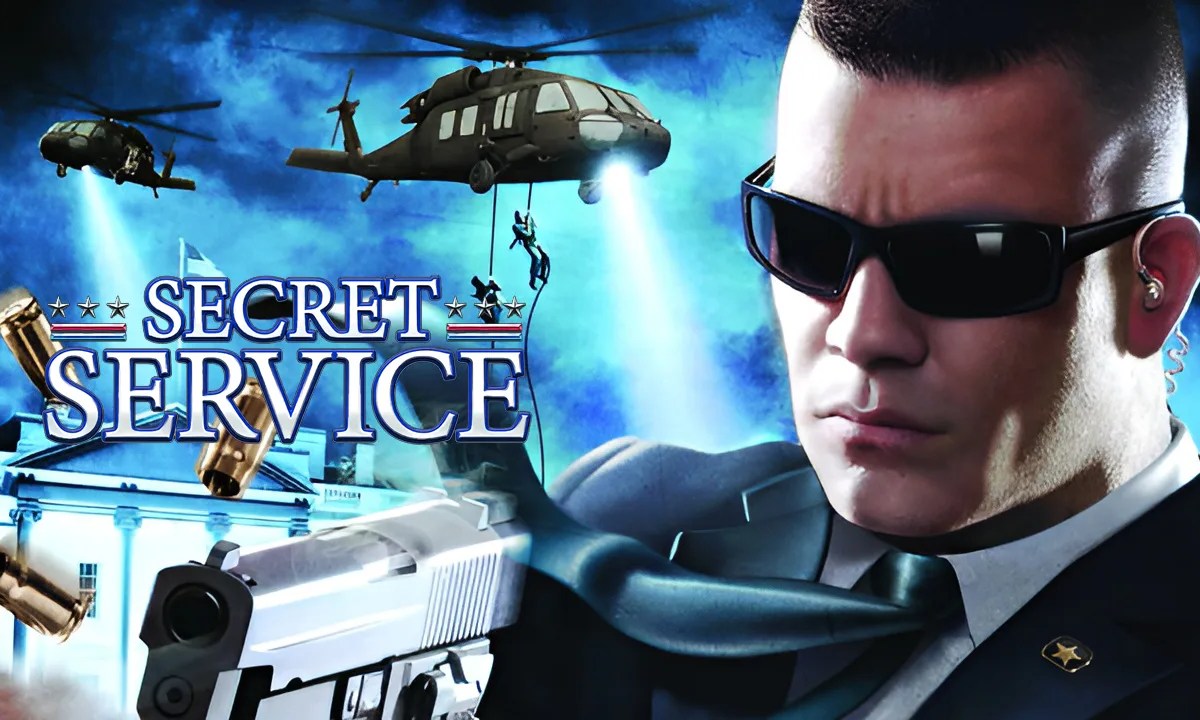
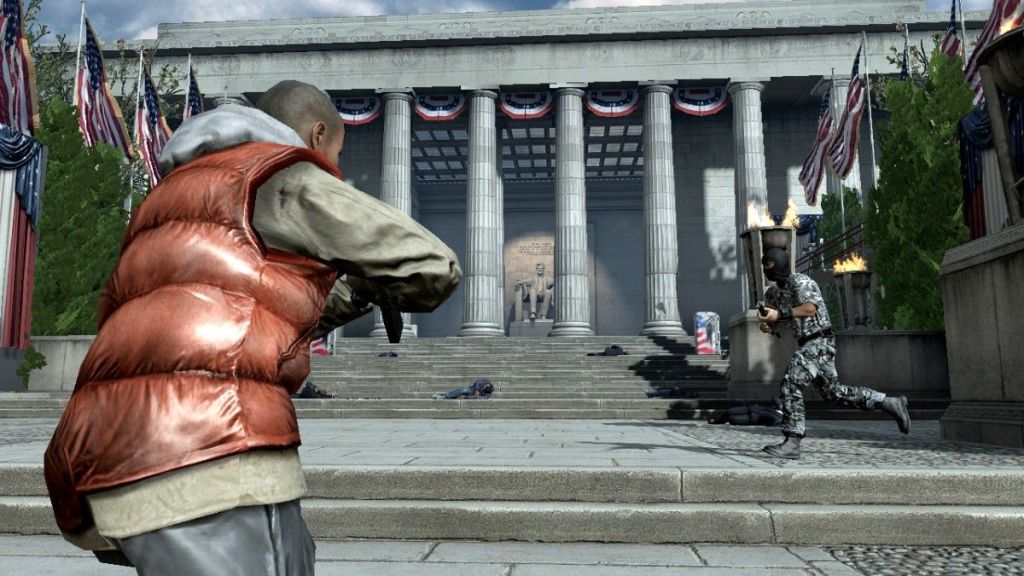
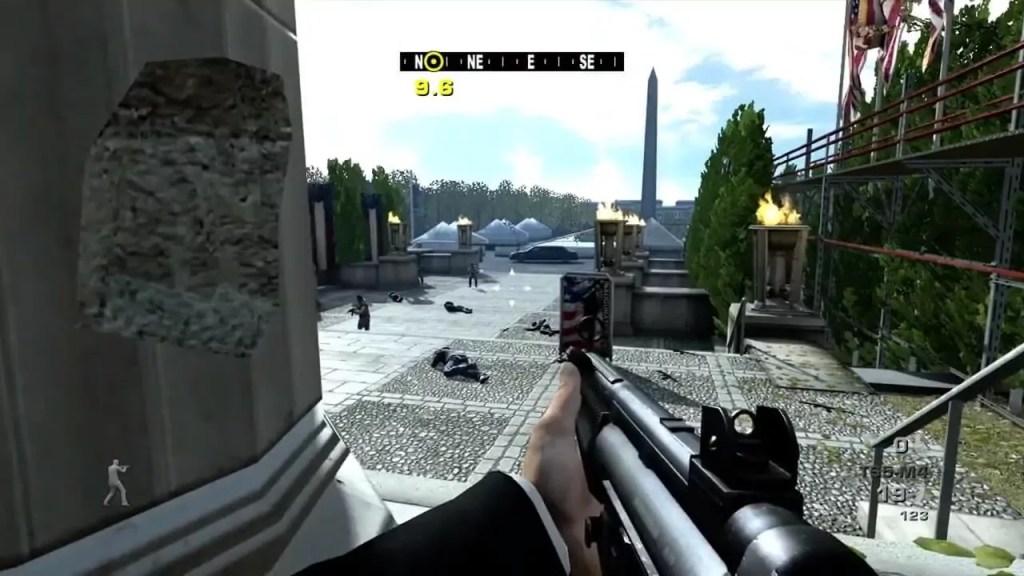
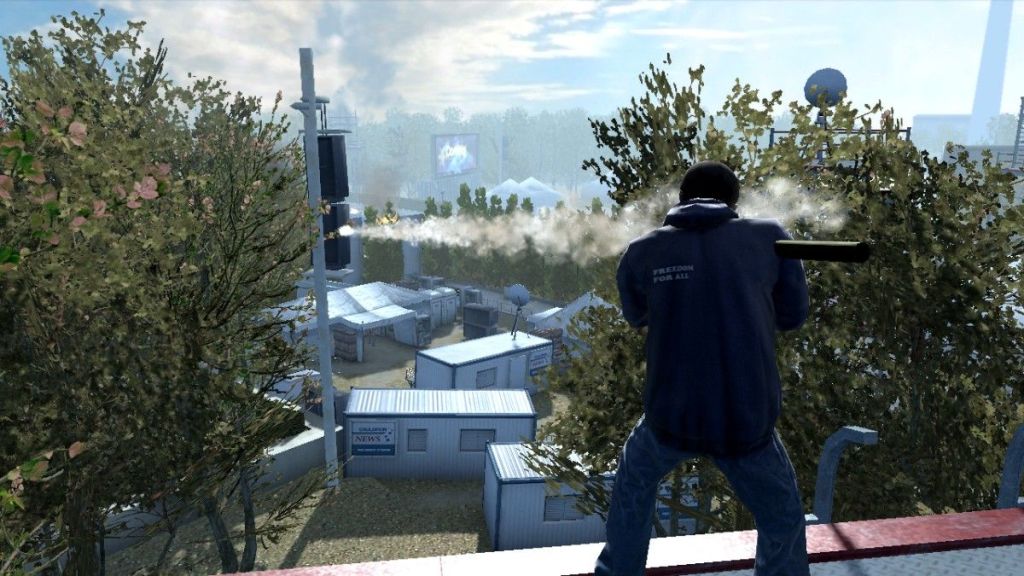
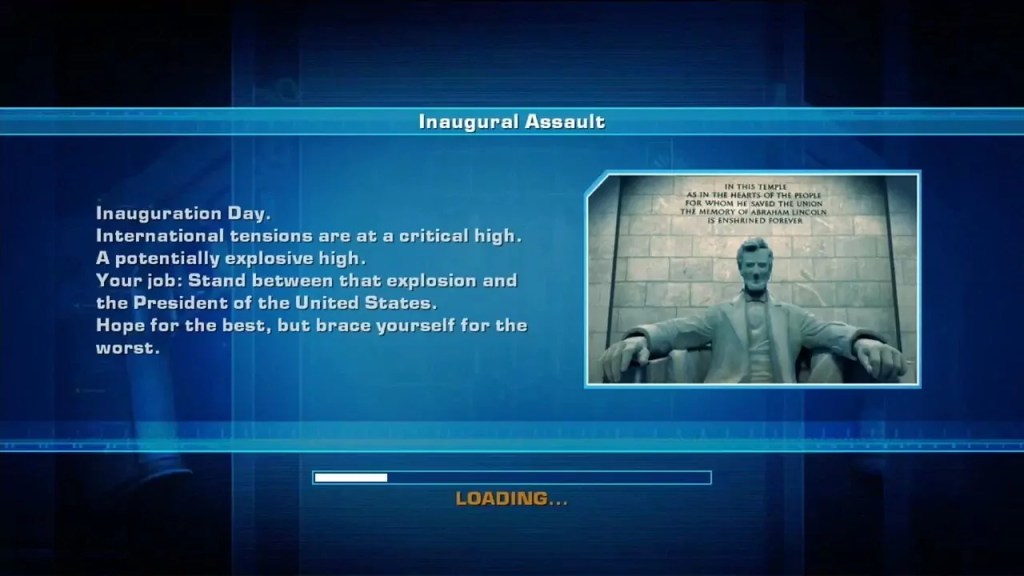
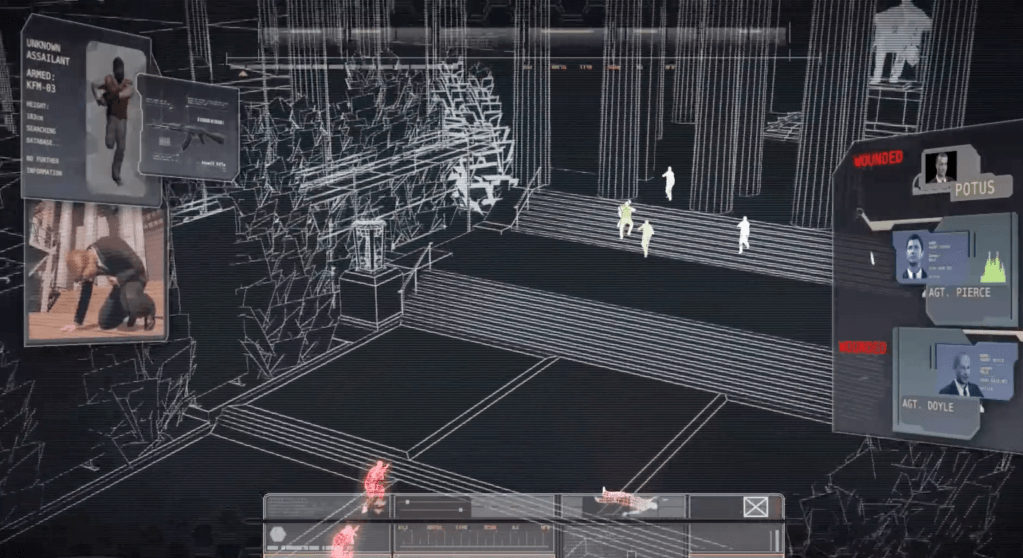
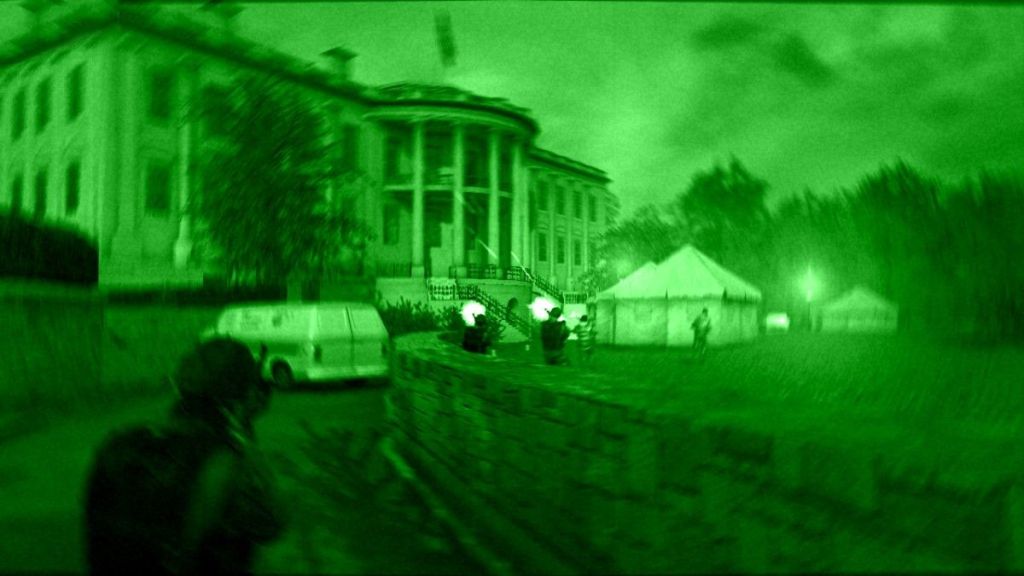
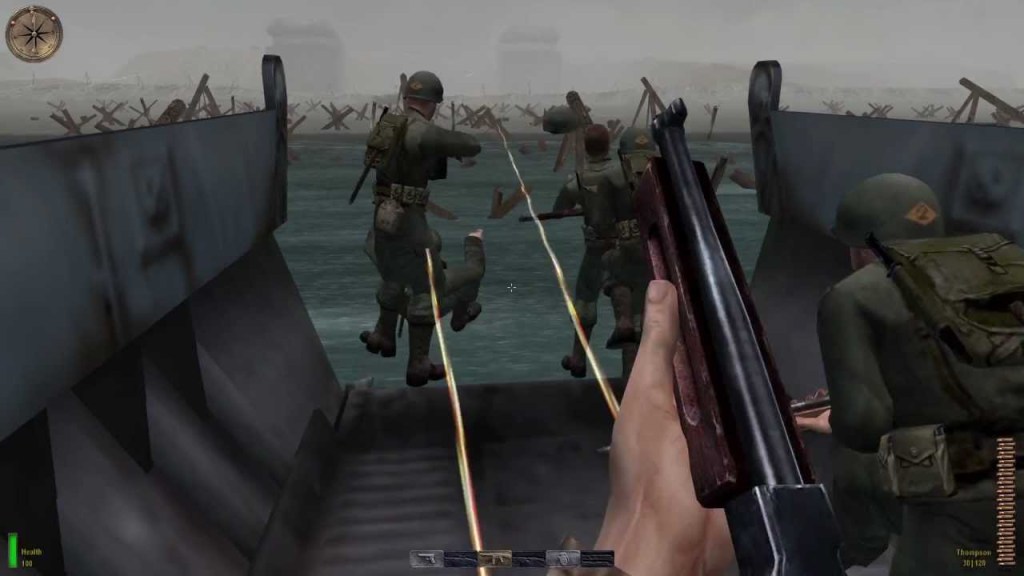
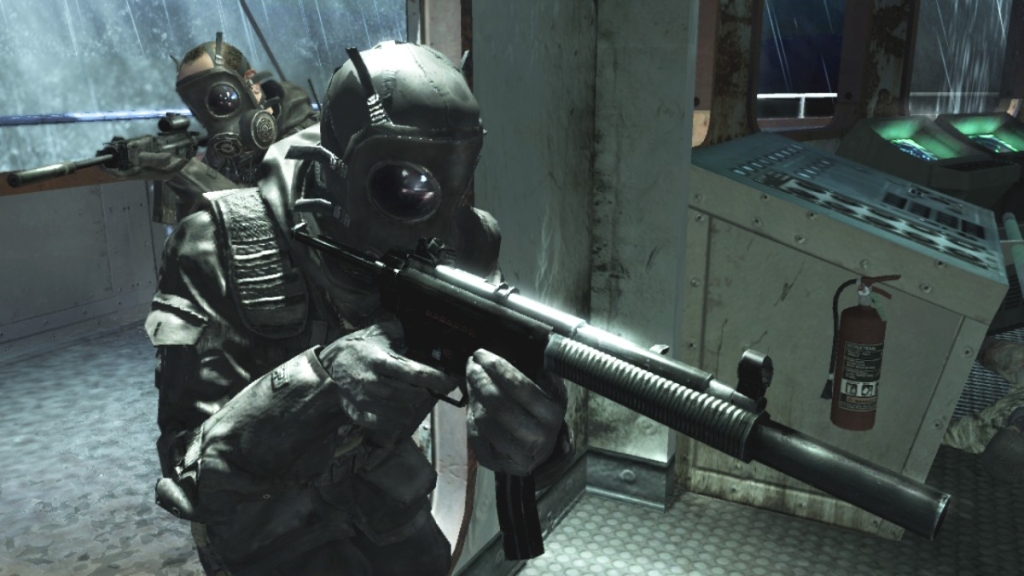
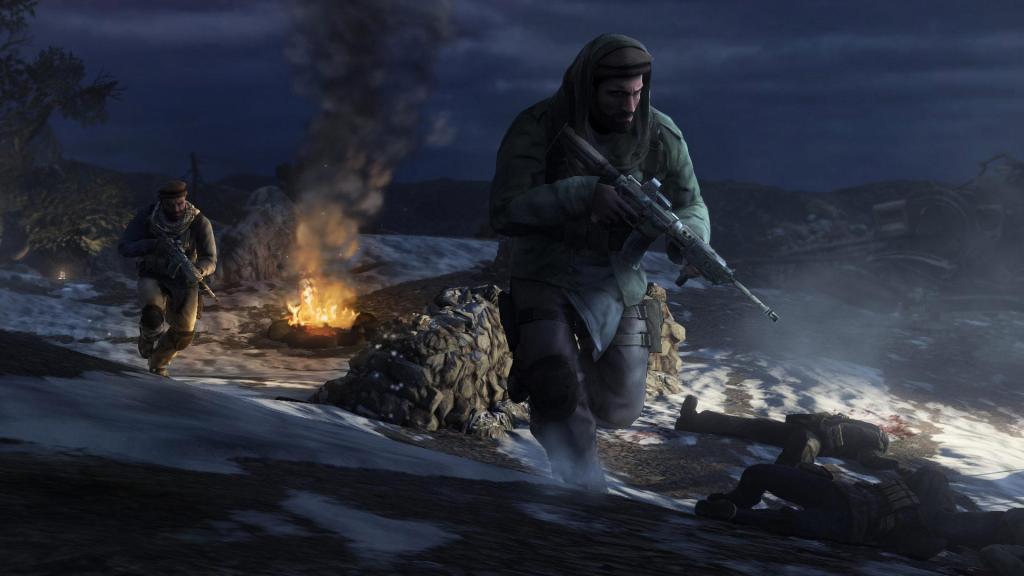
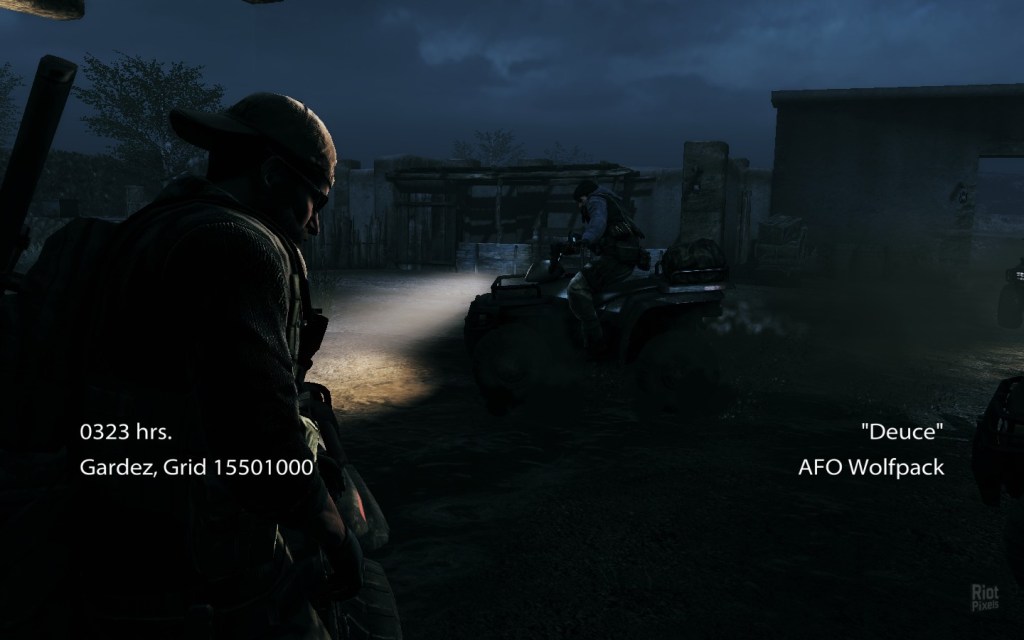
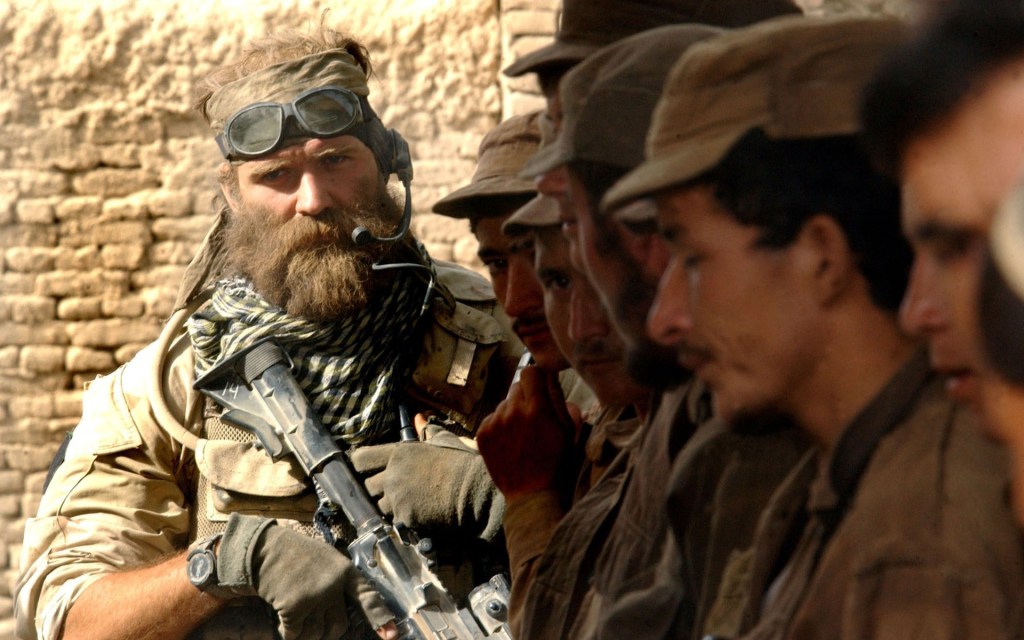
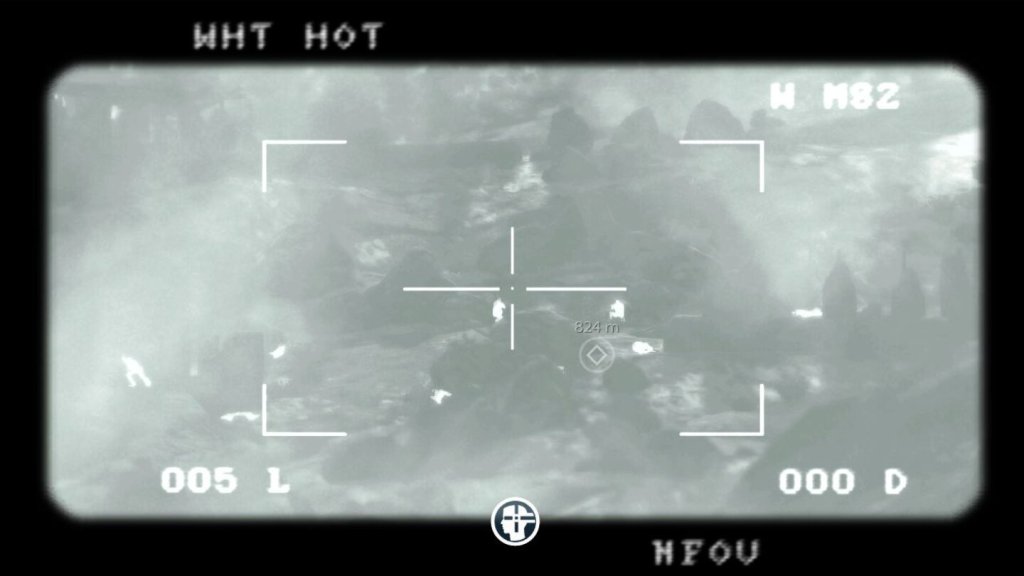
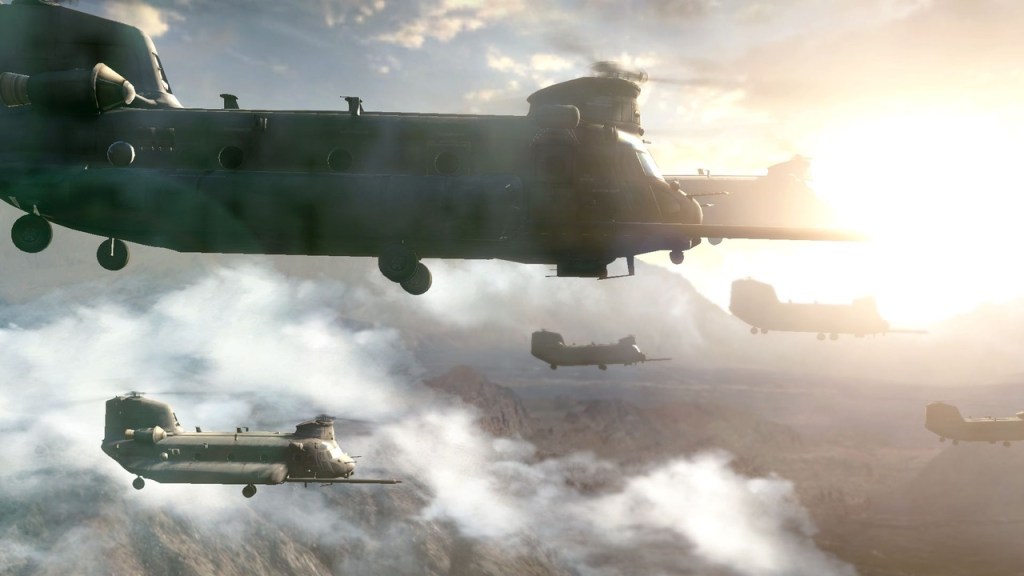
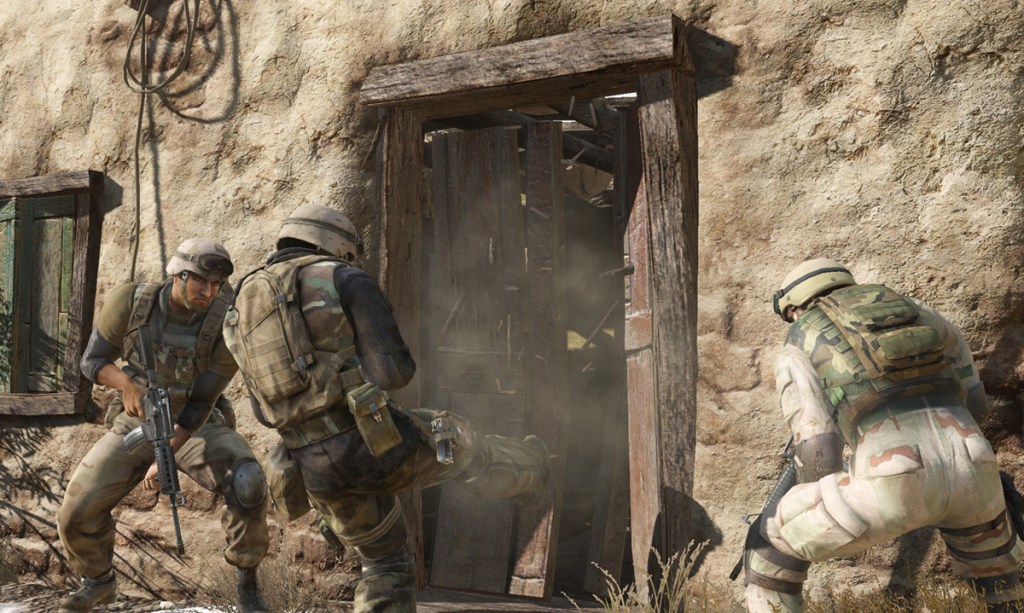
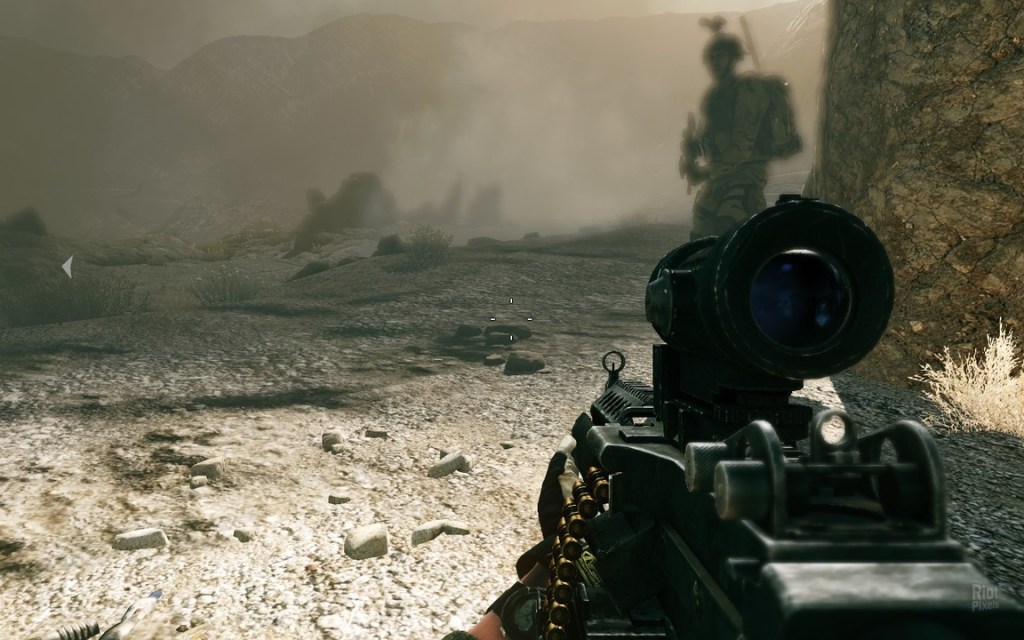
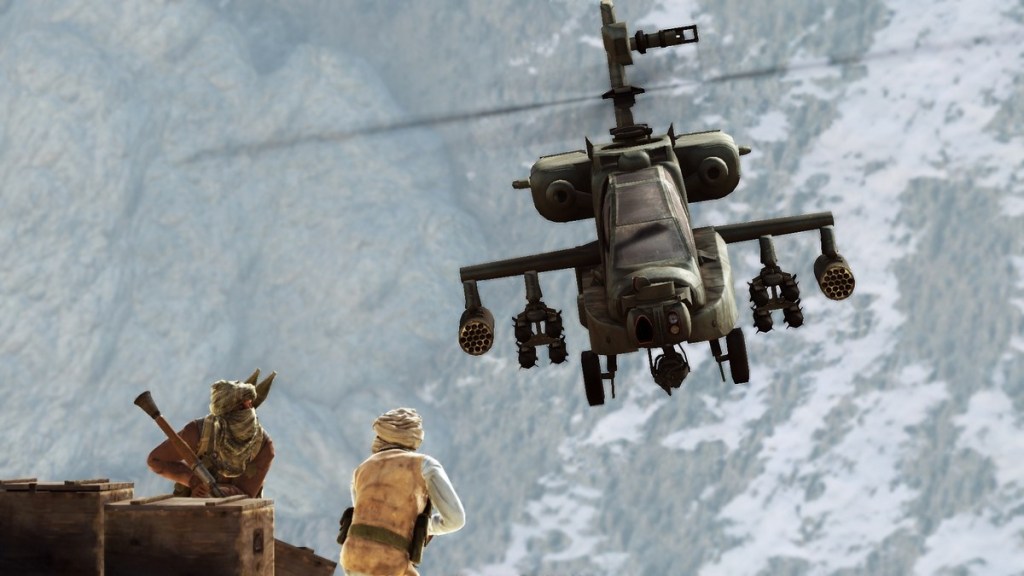
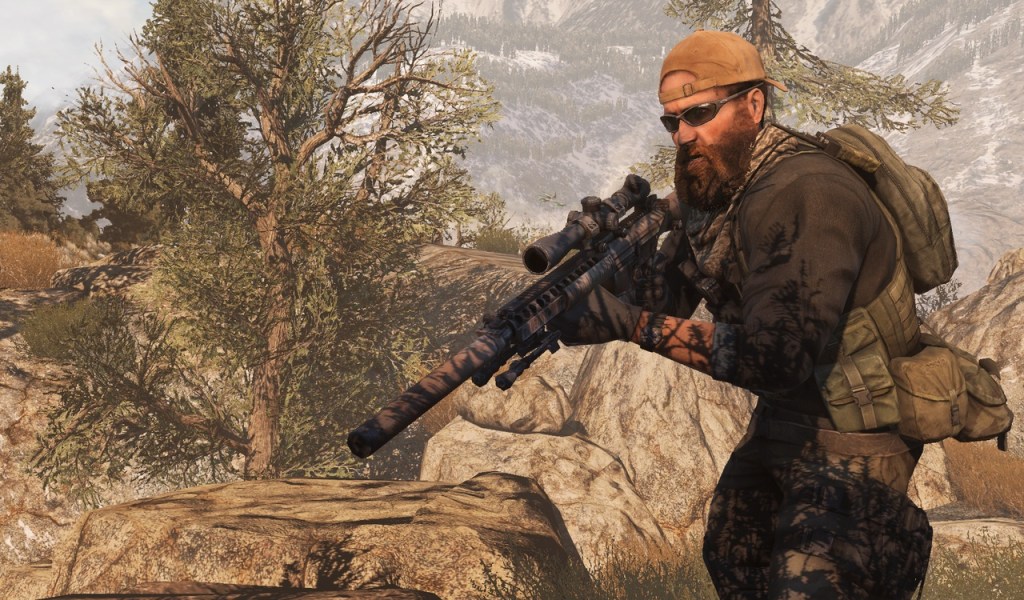
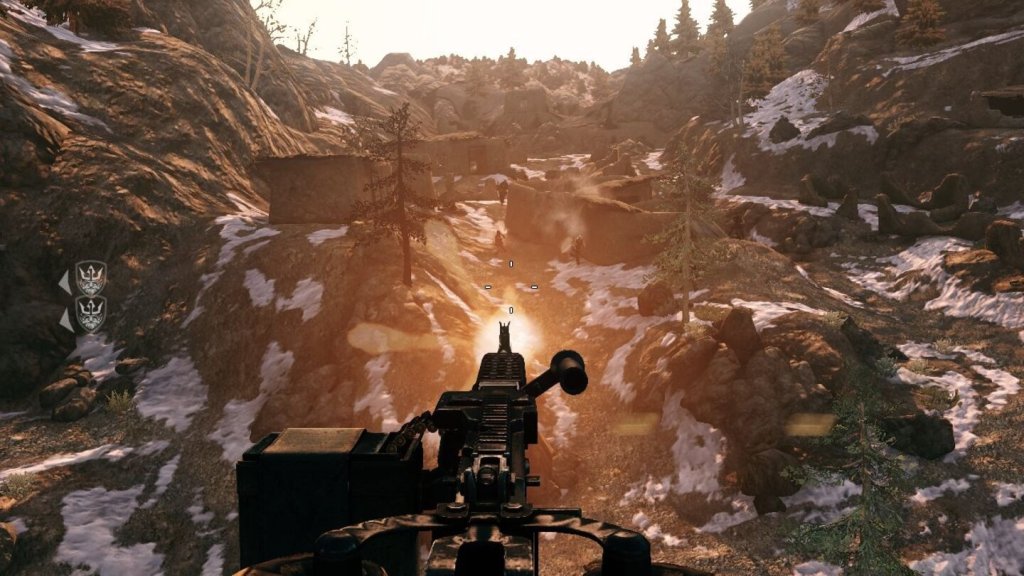
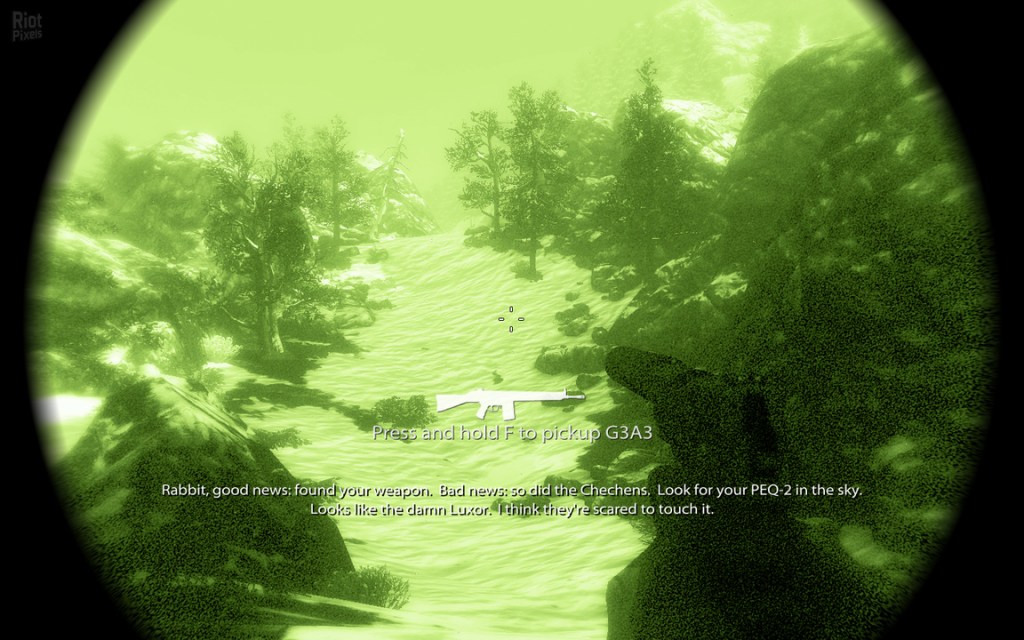
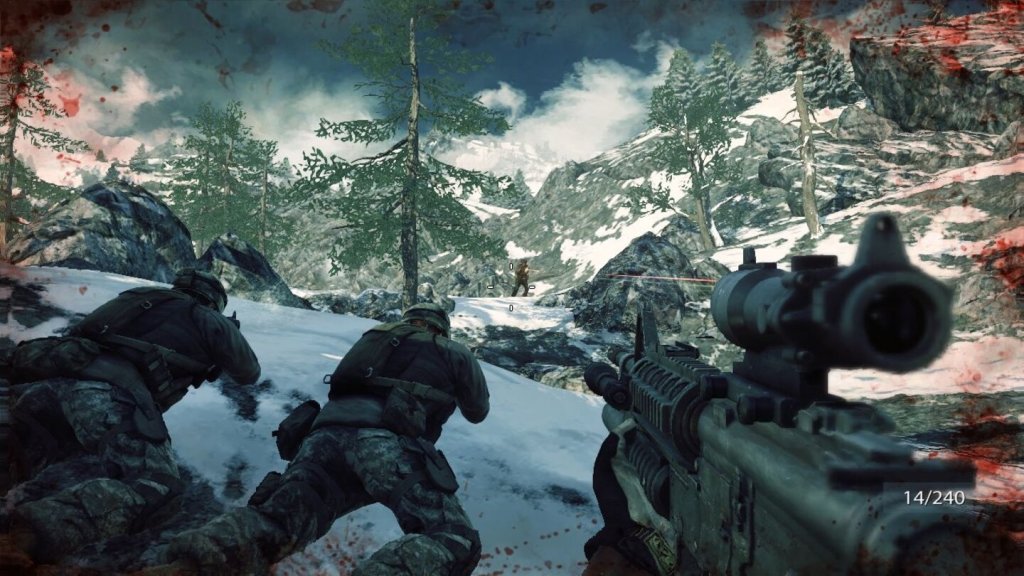
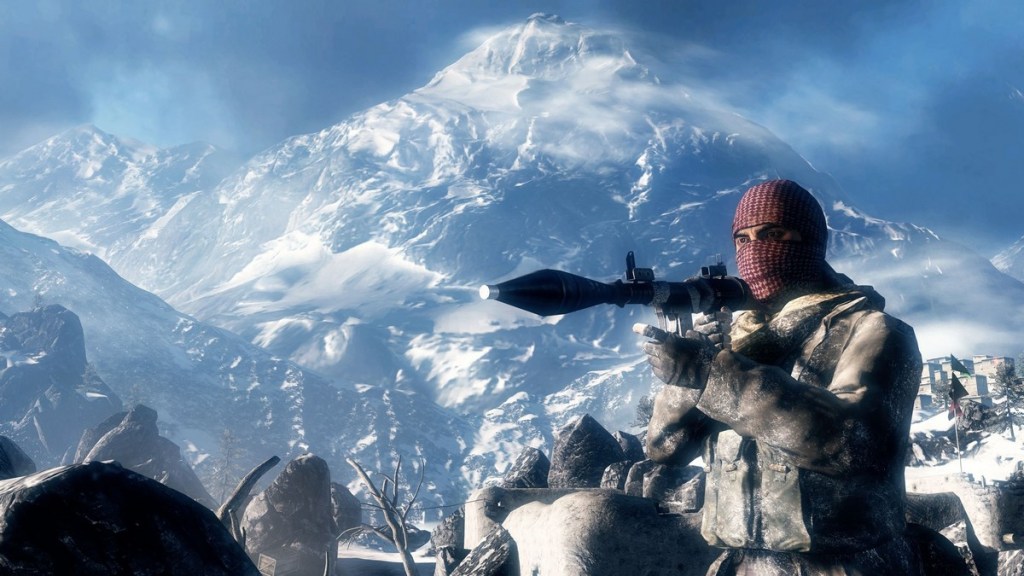
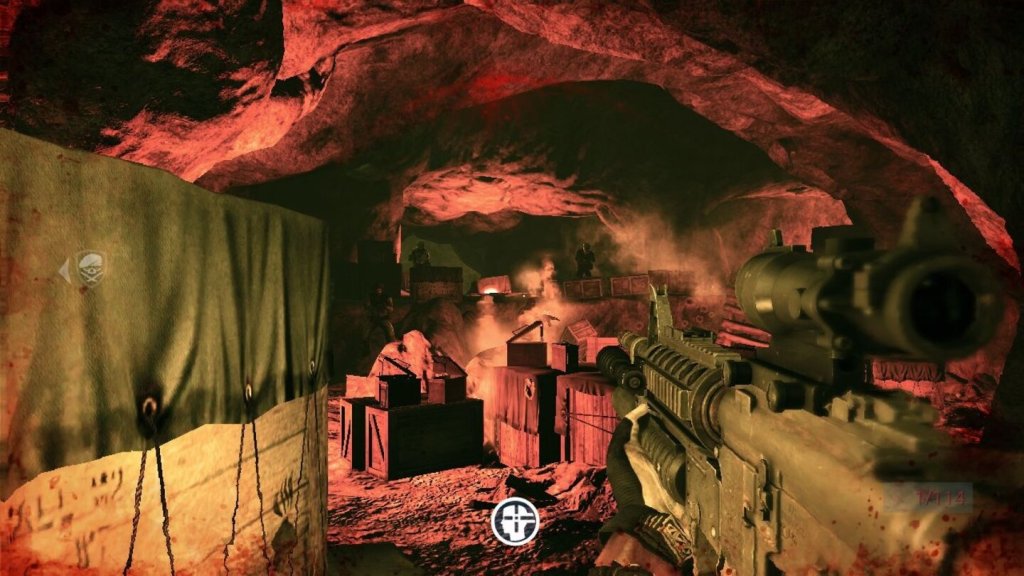
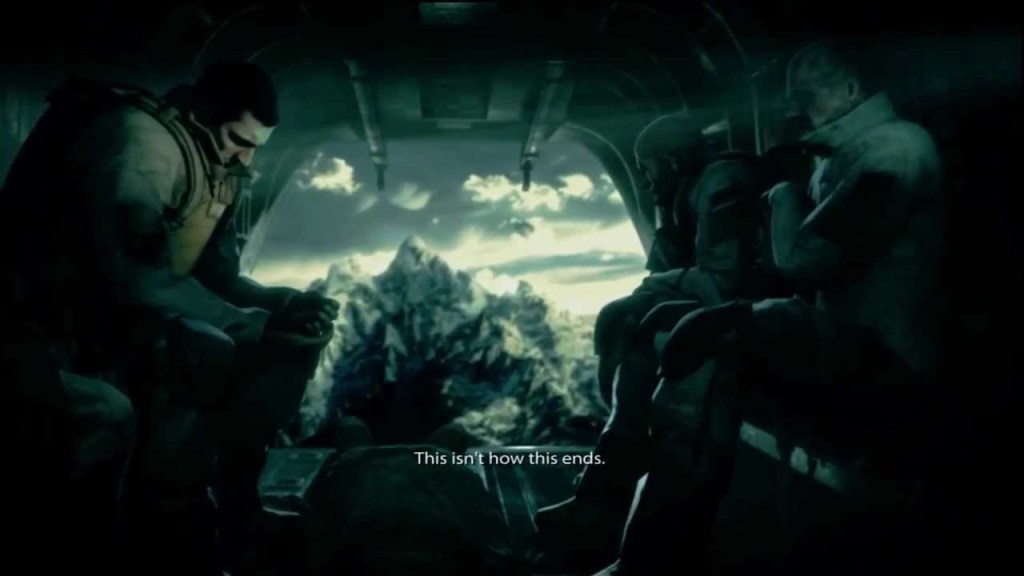
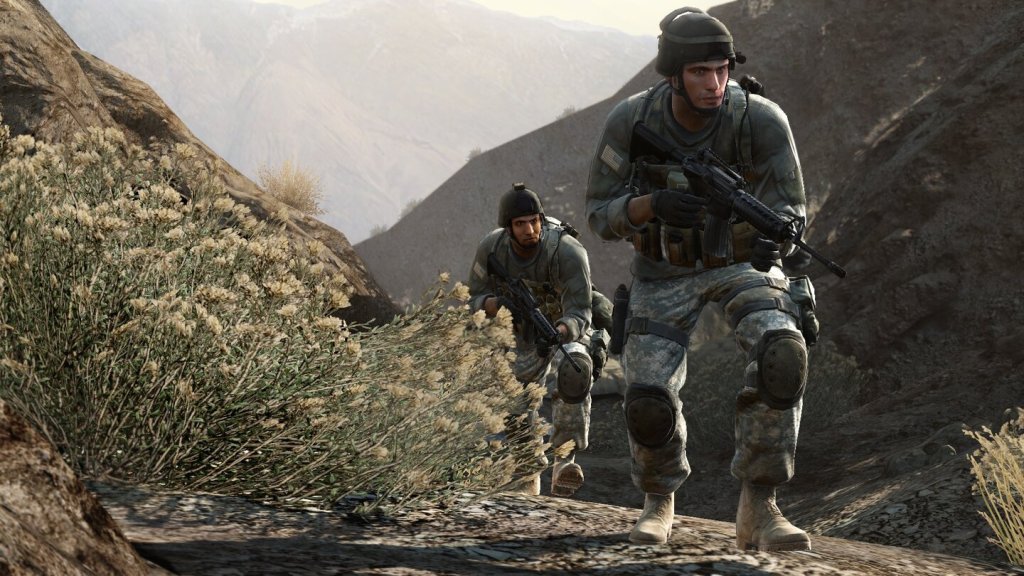
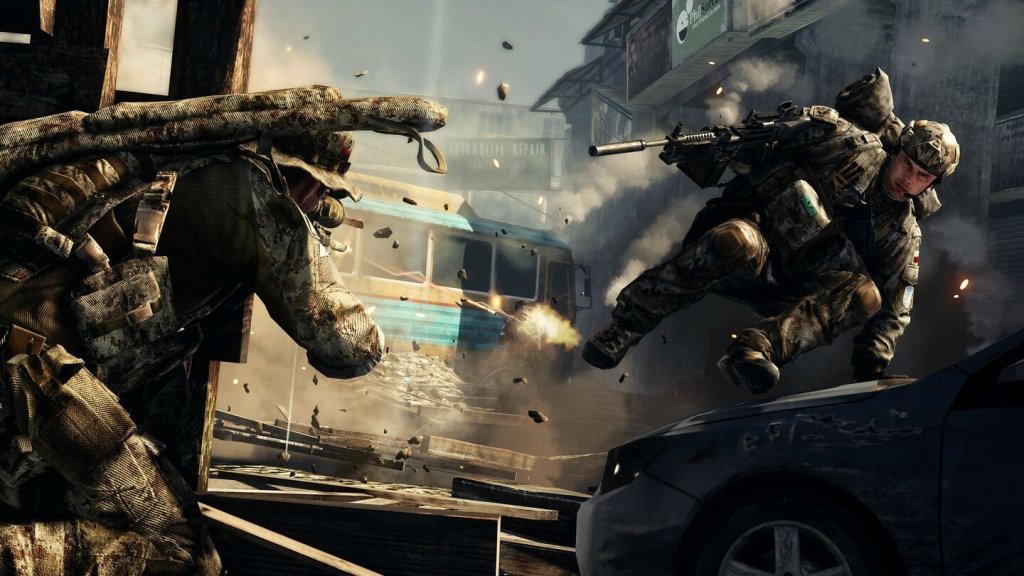


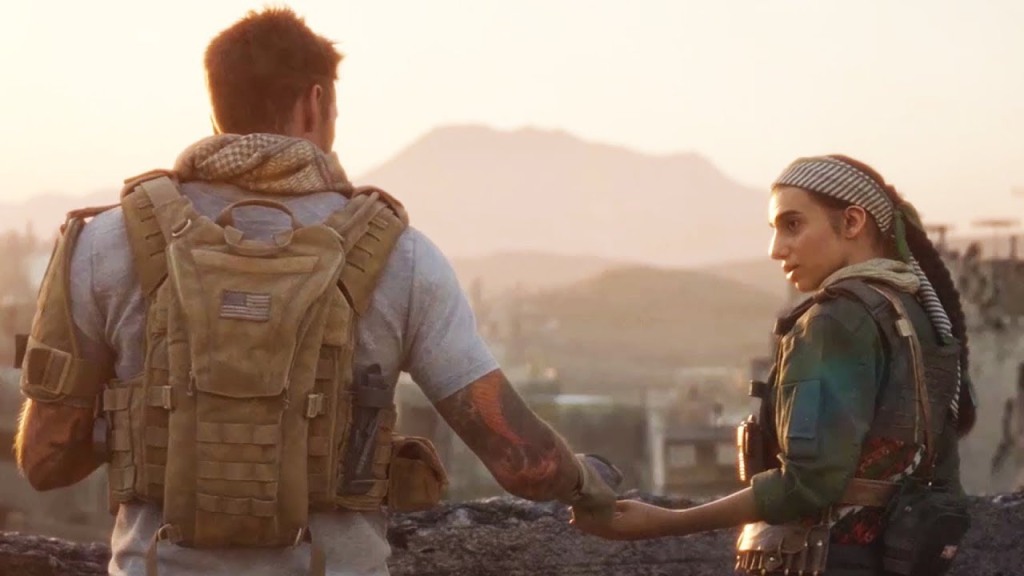

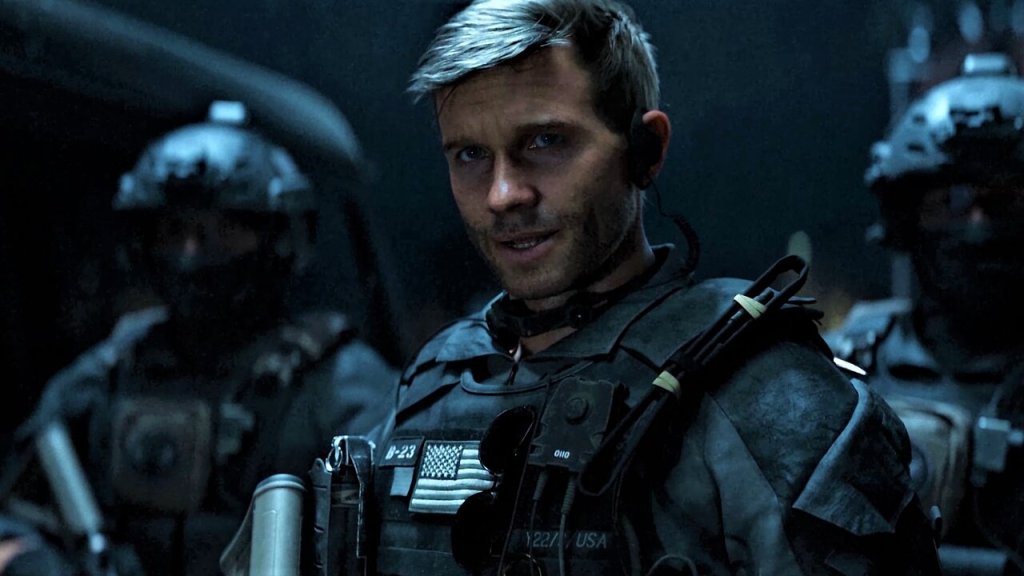


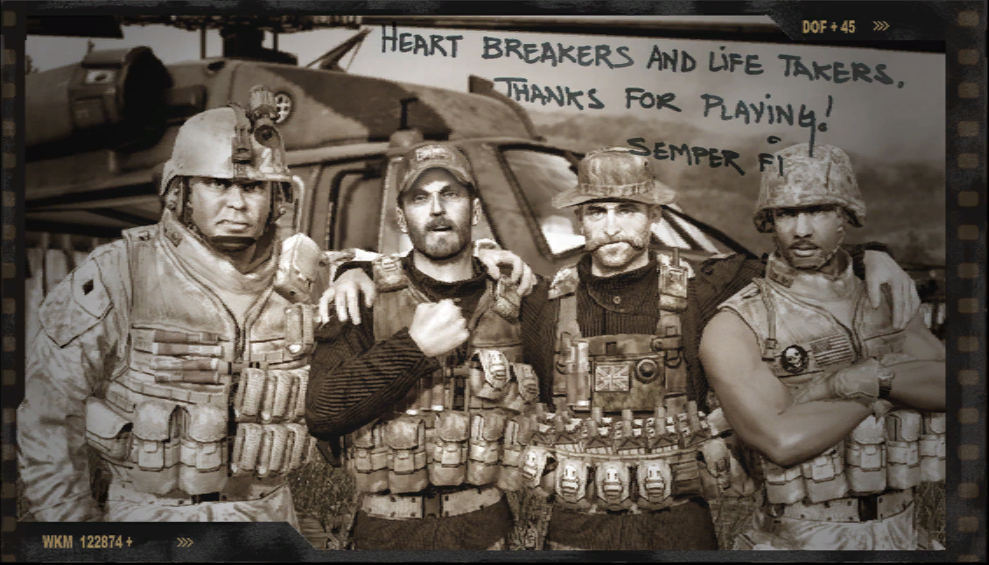

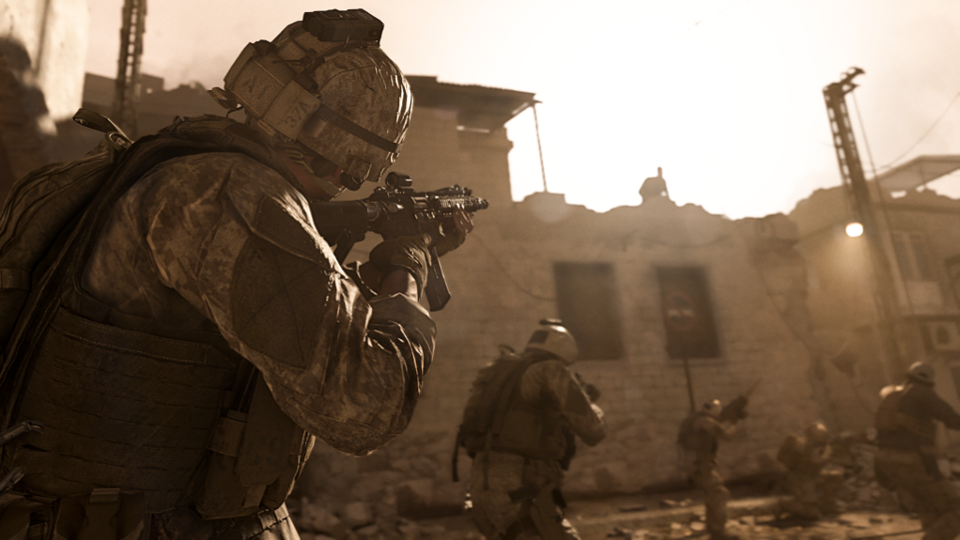


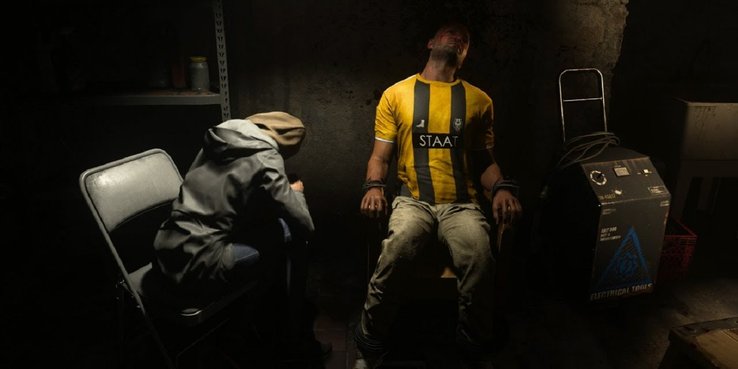


 TOM CLEMENT | GAME PRODUCER | NARRATIVE DESIGNER