Horror games are on a resurgence in the 2020s.
Celebrated franchises like Silent Hill and Resident Evil had spent entire generations without new entires or action-adventure pivots. But both found their way back to success recently with Silent Hill f and Resident Evil: Requiem.
We seen full ground-up remakes of beloved horror games like Dead Space and Until Dawn, while their spiritual successors like The Callisto Protocol and The Medium have become modern classics.
Indie has been on a steady rise since 2014, with franchises like Amnesia and Five Nights At Freddy’s releasing new chapters, alongside newer breakout hits like Exit 8 and Milk Inside A Bag of Milk Inside A Bag of Milk (catchy name, huh?).
I have dabbled in and out of the genre over the years, until one release hooked me so well that I had to talk about it. And I think this one game has the best jumpscare in gaming.
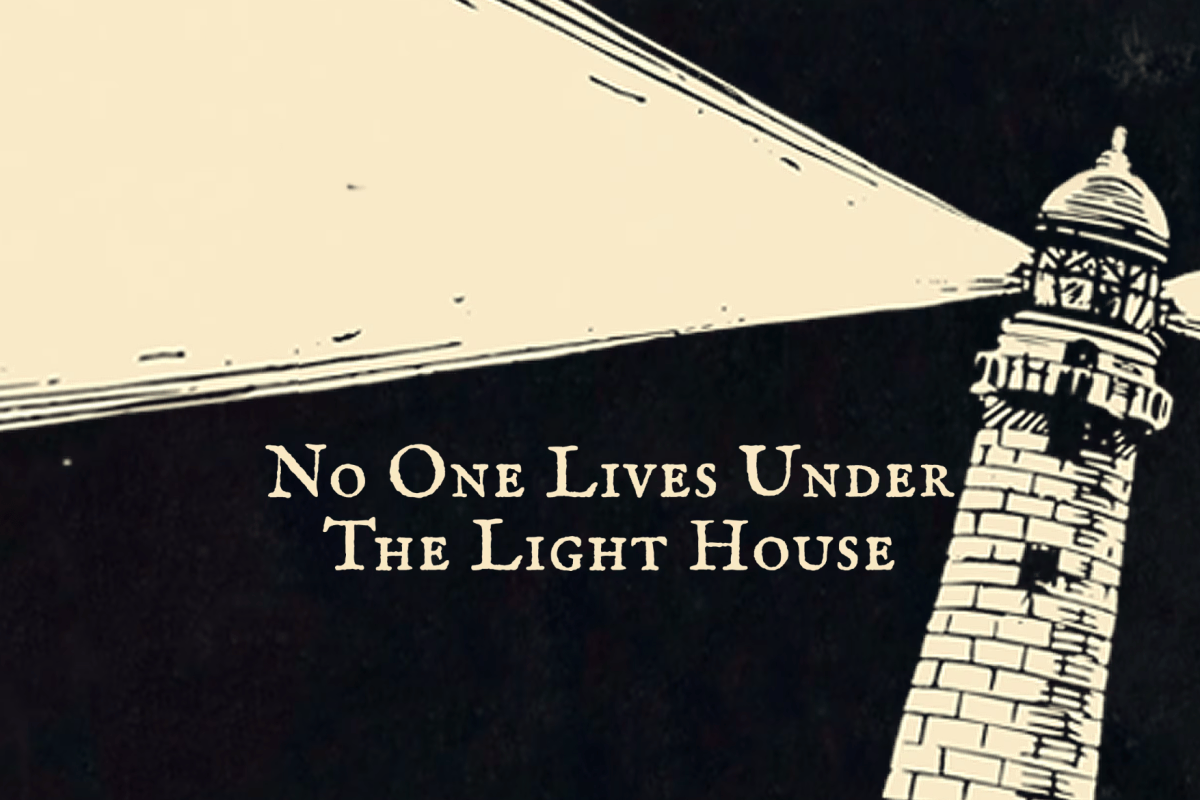
So, let me introduce to No One Lives Under The Lighthouse.
The Lighthouse and Lovecraft – Gaming’s Scariest Moment
No One Lives Under The Lighthouse, originally released in 2020, was created by Ukrainian developers Maevro Collective. A year later it got a revamped Director’s Cut, which then got ported on home consoles. This is the version I played.
The game mixes inspiration from Lovecraftian horror and films such as The Lighthouse with retro graphics, mimicking games made for the the original PlayStation. It’s a fun spooky experience, featuring many great moments of tension and unsettling imagery.
And if that little description of the game has interested you at all, then I would say go an immediately play it. The game is short, around 2-3 hours for a single playthrough, though it does have many branching paths and endings.
I’ll drop the trailer here for anyone interested, and warn that for anyone reading on, there will be heavy spoilers. So there, WARNING! And for those who are about to start playing, I’ll see you later.
***
No One Lives Under The Lighthouse tells the story of a new lighthouse keeper heading to a remote island.
The boat ride over tells you the backstory and your general objectives. “Previous keeper disappeared. Light the lamp in the evening. Don’t lose your mind from the loneliness.”
It’s a simple setup, but the game has two aces up its sleeve to make this one of the most memorable horror games ever.
No One Lives Under The Lighthouse is a masterclass on using both low-resolution graphics to frighten and unsettle a player, and great pacing.
Just like old Silent Hill and Resident Evil games, the fact that the draw-distance fades out to white fog after only a few feet or the designs of humans are so…uncanny, that it already sets off a few warning notes in our brains.
It’s one of the game’s highest selling points, of deliberately designing the game in this way, transporting us back to our childhood or first gaming memories, where early horror terrified us. Sometimes not knowing what is out there can be scarier than a highly-rendered monster running towards us.
In regards to pacing, the game starts off slowly, and for the first part of the game, you duties are those of an actual lighthouse keeper.
You move supplies from the shed to the basement. You set up your house with a cross and personal items. You memorise where things like the shovel and extra oil are, and when the sun finally starts to set and the sky gets dark, you head to the lighthouse and turn on the lamp.
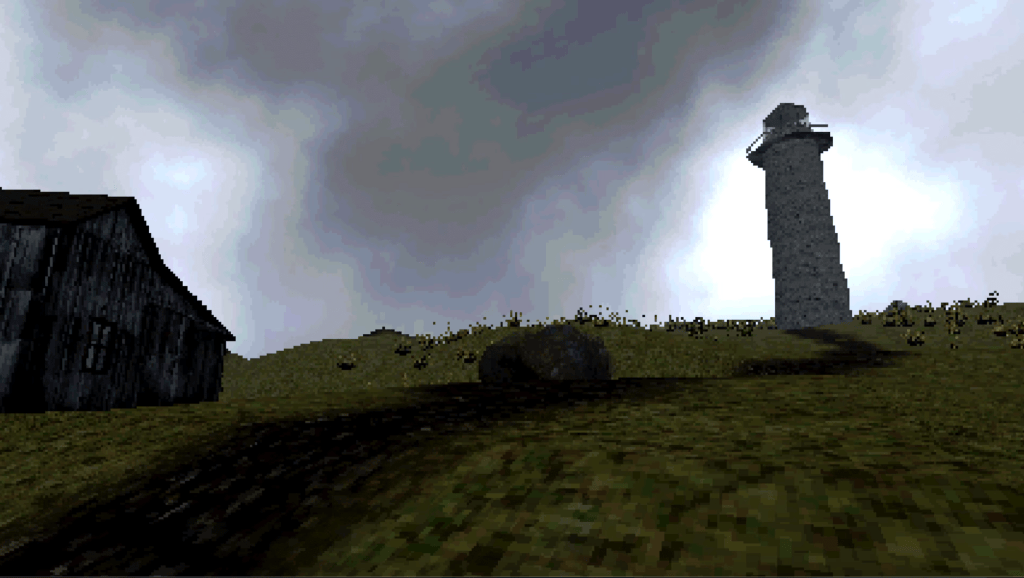
Always there, always watching over the island. (Source: store.playstation.com)
***
And then, ever so slowly, the game starts to reveals its hand. At first things are weird, but explainable.
The lifeboat on the beach starts moving at night. Moths entirely cover the lighthouse lens, then instantly disappear.
Black sludge is found covering the island. The shelves in your house are ripped down and broken.
Rain and fog descend on the island, clouding your daily tasks. And as the time goes on, you start to fear going into the lighthouse, its imposing structure literally towering over everything else on the island.
Camerawork also goes a long way to sell this fear. Each night has these great short cutscene sequences that create tension despite very little going on.
It’s just a simple static shot that begins slowly tracking forward, but it makes you feel like you are being dragged into something deeper against your will.
And then once the game has your jumping at simple shadows, it then starts the real horror, with ancient paganism and Lovecraftian eldritch abominations, letting you descend into the basement of the lighthouse, and how NO ONE lives under there.
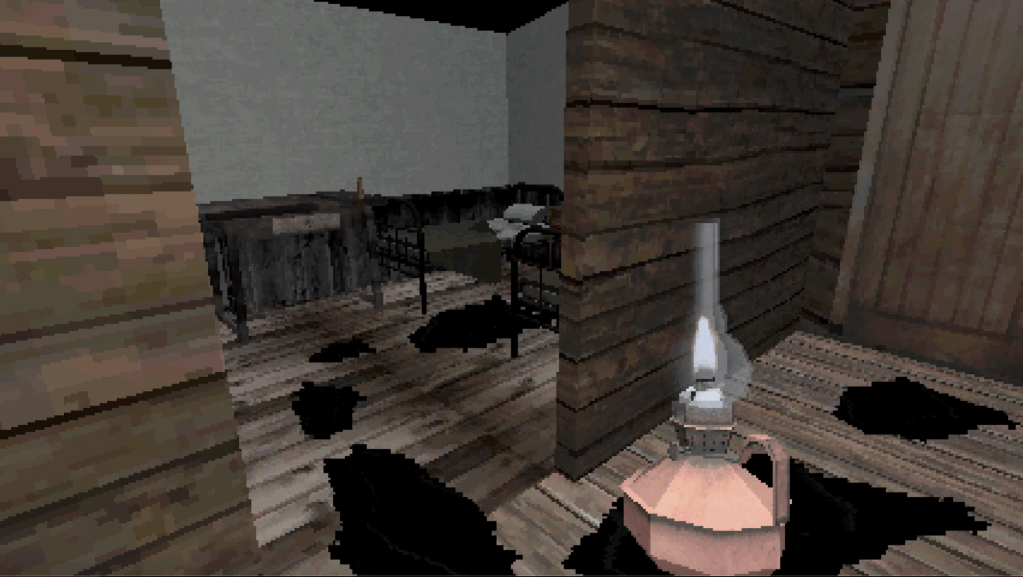
With each passing night, the disturbances get closer and closer to home. (Source: store.playstation.com)
***
It’s around here where the game starts to divert paths with certain actions affecting how the end of the game plays out. There are three endings, each one adding a little piece to the story and also each fitting perfectly in the narrative.
One ending (the true one) seems to break the loop of horror, but with a final note that lends an uneasy tone. Another ends with creeping dread with long pans over the landscape and then cutting to close ups.
And the other one is my favourite one. It starts quietly. The lighthouse keeper is having dinner with his son, who has been referenced and inferred in flashbacks.
There is a knock at the door and the son turns round, but finds his father gone. The son knows his father must be in the other room, so makes his way there, thinking on the dream his father told him.
You enter the familiar space and find a book, and when you pick it up, all sound drops out. You turn around and are faced with a monster. Then cut right back to “Previous keeper disappeared.” (See 2:12-4:23 in the video below).
***
Jumpscares are nothing new in gaming. The first Resident Evil has a memorable moment where a brightly lit corridor, a place of quiet and safety, is attacked suddenly by zombie dogs, who smash through a window into the confined space.
The first-person shooter F.E.A.R. has a demonic child, “Alma”, suddenly appear right in front of you when your are climbing a ladder and powerless to stop her.
And YouTube Let’s Play darling Five Nights At Freddy’s whole schtick was about you watching evil animatronic characters work their way towards you, but if you aren’t careful with keeping track of them, they will jump out and kill you.
And while all of these moments are great and definitely got my heart racing, there is just something so simple about No One Lives Under The Lighthouse.
It very reminiscent of a scene in David Lynch’s Mullholland Drive, widely regarded as one of the best films of the 21st century, and the best jumpscare in film history. It’s nothing flashy, just a man recreating a disturbing nightmare he had, but it’s done entirely in a normal and quiet setting behind a diner.
No One Lives Under The Lighthouse plays it the same. There doesn’t need a to be a big reveal or any musical sting, just a sudden twist that paralyses you with fear.
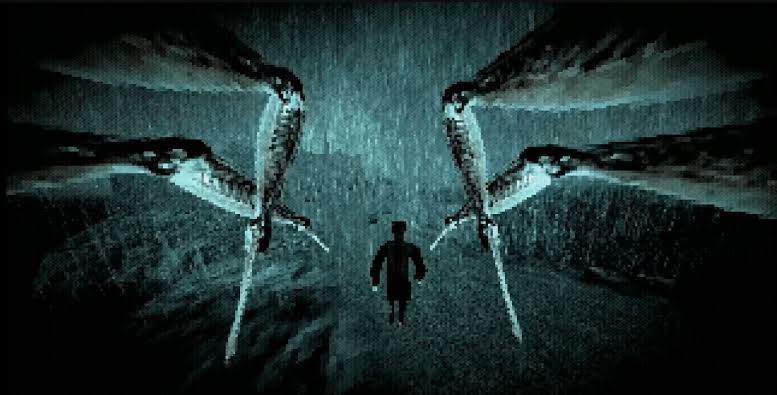
There is no escape… (Source: bloody-disgusting.com)
***
It’s shocking, astonishing, and superb. I remember I literally jumped out of my seat when I first experienced it. I still get a shiver and my hair stands on end when I think about it. And that is something no other game has done to me before.
And so I treasure this game for giving me one of the best gaming experiences I could hope for, and if any of this made you interested to check the game out, I hope you have the same feeling as I did.
Banner Photo Source: playstation.com

