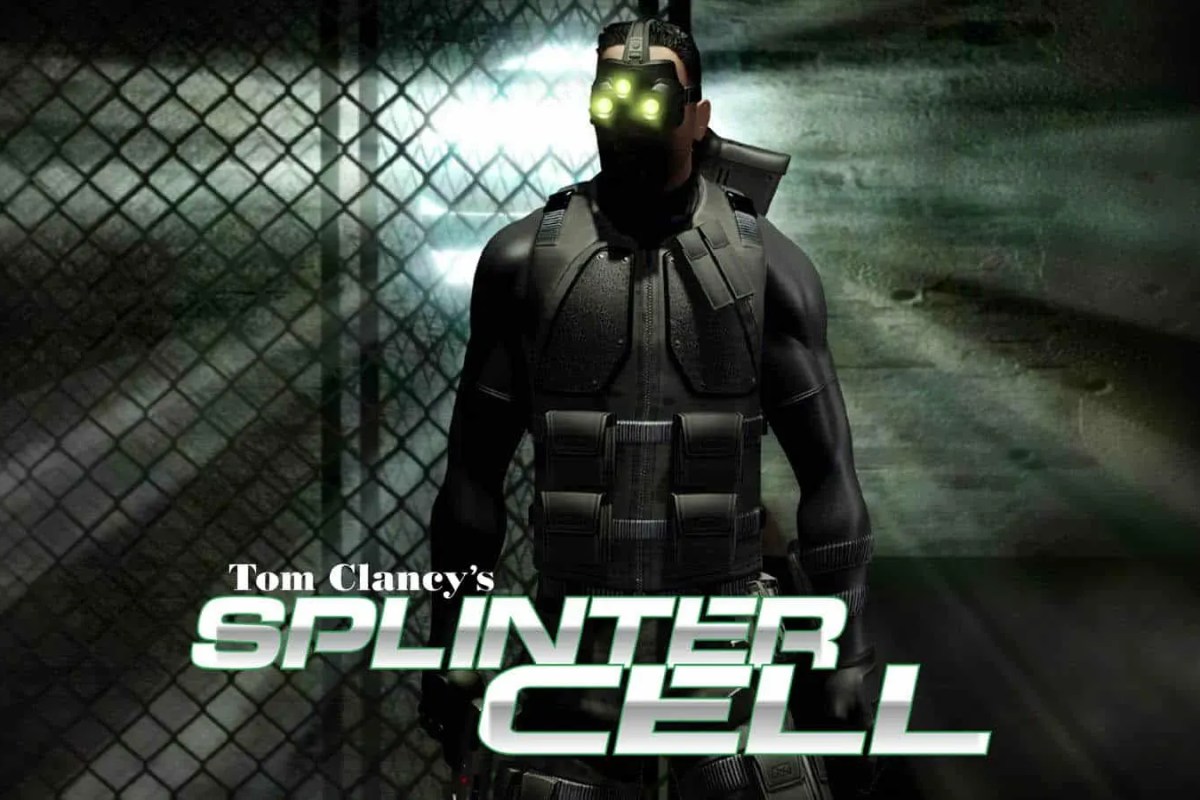
I recently got my Xbox 360 out of storage solely for the Splinter Cell series.
A stealth series endorsed by author Tom Clancy and featuring super-sneaky-solider Sam Fisher, it’s a landmark for both the stealth genre and for its cutting edge lighting and physics wizardry.
Even the original game that came out in 2002, still convincingly pulls off light and dark better than AAA games to do this day.
And so after playing through all the main line titles of the series, I thought a little review of the best levels from each was given. Let’s start!
Splinter Cell – CIA HQ
Despite being over twenty years old at the time of writing, the first Splinter Cell gives players one of the best locations of the series.
The first few levels of the game have been okay, Sneaking through the back streets of Georgia, infiltrating a government office building and police station, and working our way around an oil rig; it’s been fun but nothing truly awe-inspiring.
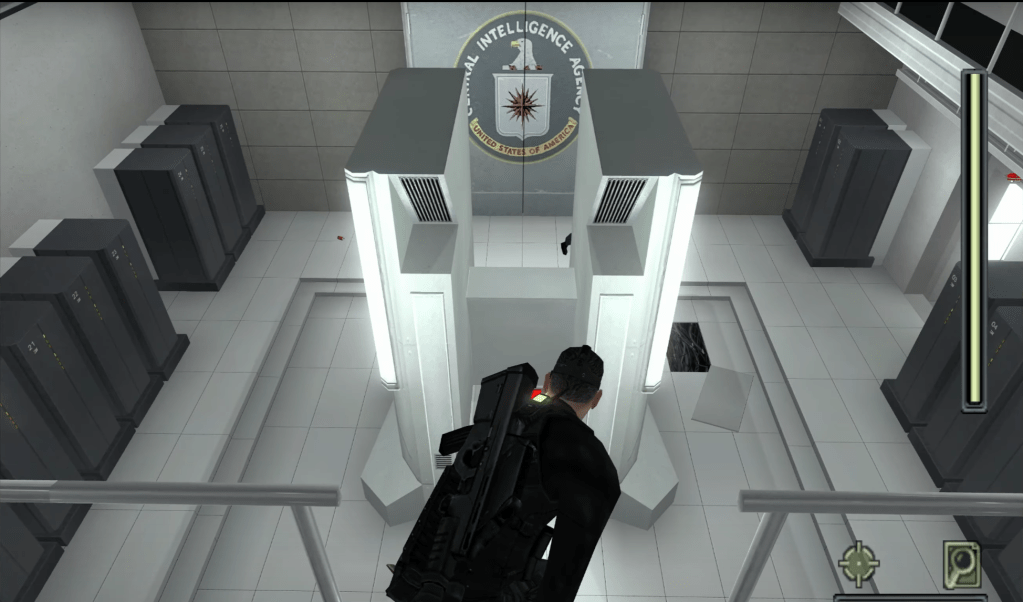
But when Sam’s investigation leads to a possible leak from the Central Intelligence Agency, he is tasked with breaking into the mainframe so his team can trace it back to its source.
Already, the set up is amazing. Being a stealthy ninja and getting to break into probably one of the world’s most guarded buildings is a dream scenario for a stealth game. But the fact it is another US spy agency pushes it higher than all the other levels in the game.
The development and exploration of the level is cool, with the initial break-in through the cooling system (lined with razor-sharp bladed fans), through the basement and main lobby, then up the elevator to the office cubicles, each location is a playground for sneaking around.
When breaking into the mainframe, the floor is made of light panels, meaning it is impossible to sneak in via the shadows, and the player must time it correctly so the they aren’t spotted by any of the workers.
And the cherry on top, Sam doesn’t have his trusty pistol to take out any lights. Nearly the entire level has to be done without a side-arm, meaning the player has to trust their own sneaking skills, rather than make their own path of shadows.
***
Splinter Cell: Pandora Tomorrow – LAX International Airport
Pandora Tomorrow, the second game, pushed the boundaries for the Splinter Cell series by placing a focus on highly-populated areas, as opposed to the mostly military locations in the first game.
The night time streets of Jerusalem, a TV station in Jakarta, and a overnight train heading from Paris to Nice (which Sam has to both climb under and on top of to reach his goal). Pandora Tomorrow takes these normal locations and makes them the battleground for the fate of the world, with “LAX” being the pinnacle of the game.
Terrorists have infiltrated Los Angeles Airport and are intent on releasing a smallpox virus inside the terminals. Sam must kill all the terrorists and stop the virus from detonating, all while not being spotted.
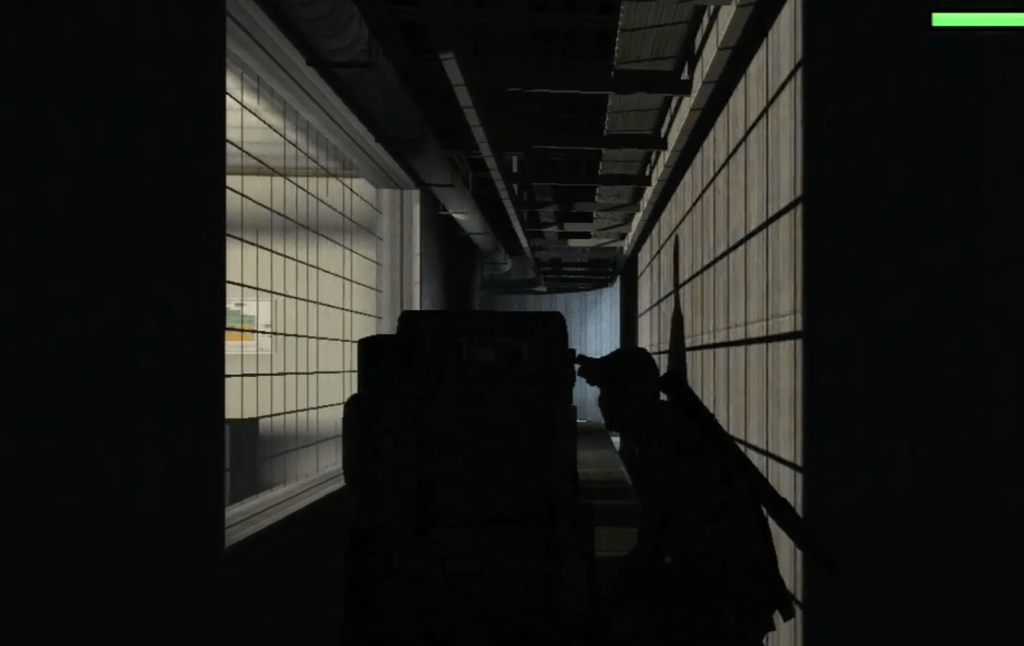
Starting outside the service gate, Sam has to make his way through the parking, baggage drop-off, offices, and eventually into the lounges and terminals. It’s a great blend of real-life normalcy and high-tech zones, with Sam having to use moving cargo trucks or luggage on conveyer belts as cover.
The terrorists are disguised as airport staff, but have all been recently vaccinated against smallpox, leading them to have higher body temperatures than those around them. It’s a great way of utilising Sam’s goggles outside of their standard gameplay loop, making the player study more than just their opponents’ movements.
The final section is brutal, with the terrorist leader, an ex-CIA spy, using night vision goggles to spot you hiding amongst the shadows as you plot your way to intercept him.
Pandora Tomorrow has some of the best levels of the series, but “LAX” tops them all with its pulse-pounding action.
***
Splinter Cell: Chaos Theory – MCAS Banco De Panama
Splinter Cell: Chaos Theory is widely regarded not only as the best game in the series but of stealth games in general.
The graphics, gameplay, and art design all got overhauled from Pandora Tomorrow, presenting breathtaking locations, satisfying stealth, new mechanics like a sound meter, and some of the best level design period. Case in point, “MCAS Banco De Panama”.
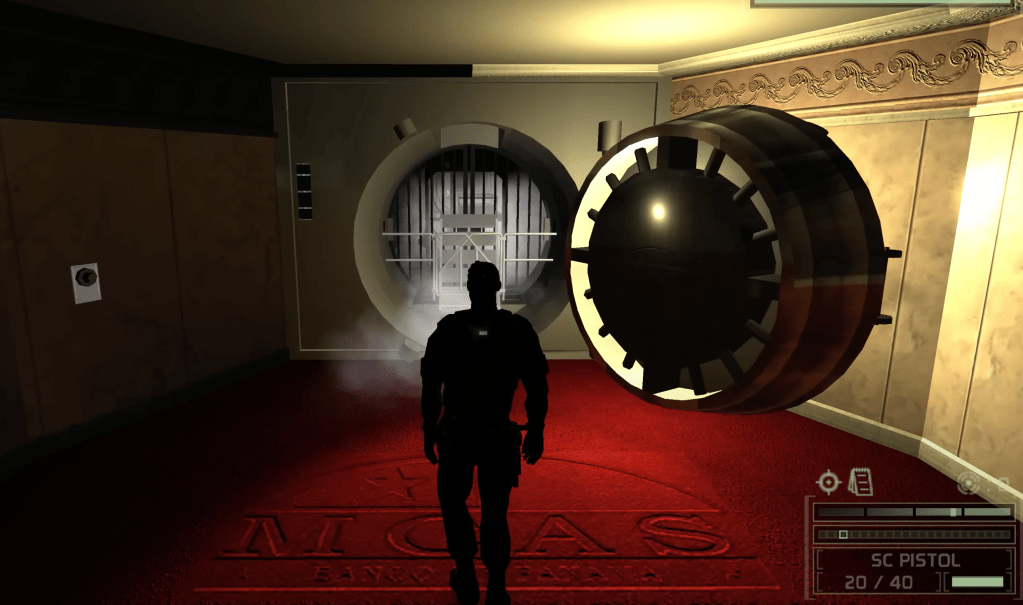
MCAS Banco De Panama shows you what Sam might turn to if he wasn’t a spy. Following a terrorist lead from a previous mission, Sam has to break into a high-security vault to follow the trail of their account transactions. To make sure the bad guys don’t get suspicious, Sam also has to steal $50,000 and plant emails to make it look like an inside job.
The skills of a top-secret agent seem to gel well with the high-concept criminal life; scaling around the building, rappelling through the skylight to the lobby floor, disabling security lasers and finally a flashy electric pulse to unlock the vault (with some expert assistance from a incarcerated bank robber directing Fisher from his prison cell).
It’s a great concept for a mission and the banter between Fisher and his team makes it seem like they don’t have a care in the world; breaking in is a piece of cake and the hired goons guarding it are in no way a threat.
There is also a nice little reference to Sam having previously raided this bank back in 1989 while he was with the Navy SEALs, giving a little indication of Sam’s life before Third Echelon, and Grim remarking that while he was in a ditch during the Gulf War she was still in tenth grade.
The funny lines keep coming when the laser grid for the bank comes online. Grim says lasers reminder of the 90s, but Sam says that laser remind him of the 70s, before he chastises Grim for making him feel old.
Once Sam is in the vault and holding $50,000 worth of currency, he negotiates a pay raise from his boss Lambert.
Lambert: “Hm…twenty-five cents an hour and not a penny more.”
Sam: “Deal.”
***
Splinter Cell: Double Agent (Version 1) – Shanghai, Jin Mao Hotel
There were two versions of Double Agent that were released in 2006, one for the “last-gen” of consoles (such as the PS2 and Original Xbox) and one for the at-that-point cutting edge of technology, the Xbox 360. The 360 version is known as Version 1.
The team at Ubisoft Shanghai knew they needed to show off the incredible graphical capabilities of the new generation and crafted some beautiful levels, like the opening geothermal plant in Iceland or a cruise ship off the coast of Mexico. But I’m going for the height of spectacle.
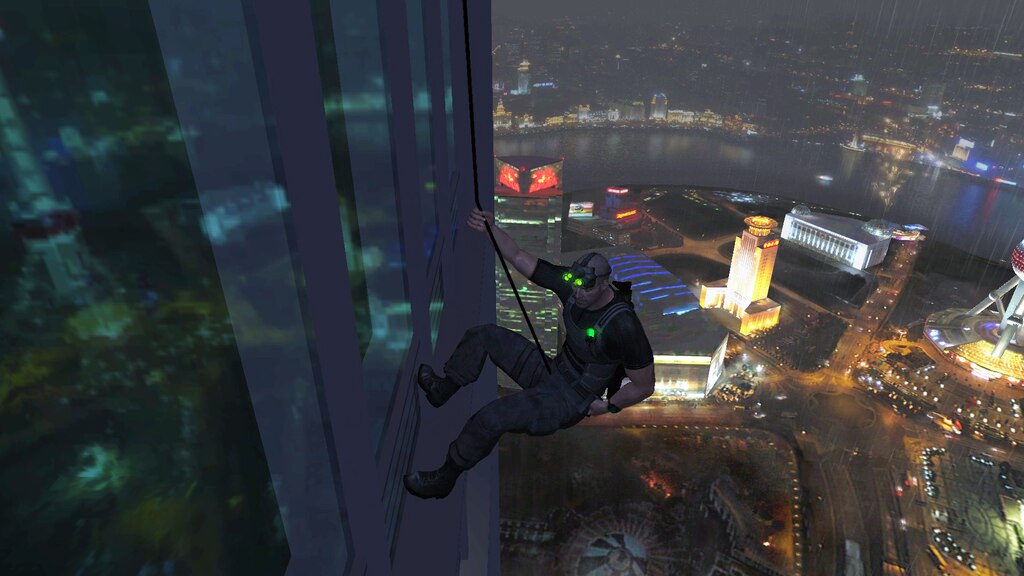
“Shanghai” tasks Sam with listening in on a terrorist weapons deal and steal notes containing valuable intel, pretty standard stuff. The problem is the meeting is taking place in the 88-floored Jin Mao Hotel (a real-life location). Fisher isn’t present for the meeting, so he has to climb along the outside of the hotel and record through the windows. Tom Cruise eat your heart out.
The scenery is stunning, taking place on Chinese New Year, the city and sky awash with bright colours, while light rain lashes against Sam as he descends to the meeting room. Once Sam has successfully recorded the meeting he then has to infiltrate the hotel room of his target for intel.
The New Year party continues inside, with a giant illuminated dragon filling the atrium and guards patrolling the circular walkways surrounding the sculpture.
I always liked how Splinter Cell locations were grounded; office buildings, embassies, skulking through city streets. But every now and then the series pulls a stunner out of the hat, and “Shanghai” takes the title of “Best Looking Level” in the entire series.
***
Splinter Cell: Double Agent (Version 2) – New York City
Version 2 of Double Agent is quite different to Version 1. While they follow the same basic story beats, the missions and intricate story parts are much more varied, with certain levels being exclusive to either version. “New York City” is a mix between both, having similar gameplay but a different location.
The story of Double Agent is exactly that, Sam going undercover as a double agent, infiltrating a terrorist organisation and tasked with taking down from the inside. Throughout the game Sam has to keep both the terrorists and the NSA happy, with a trust meter tallying whether he is a traitor or not.
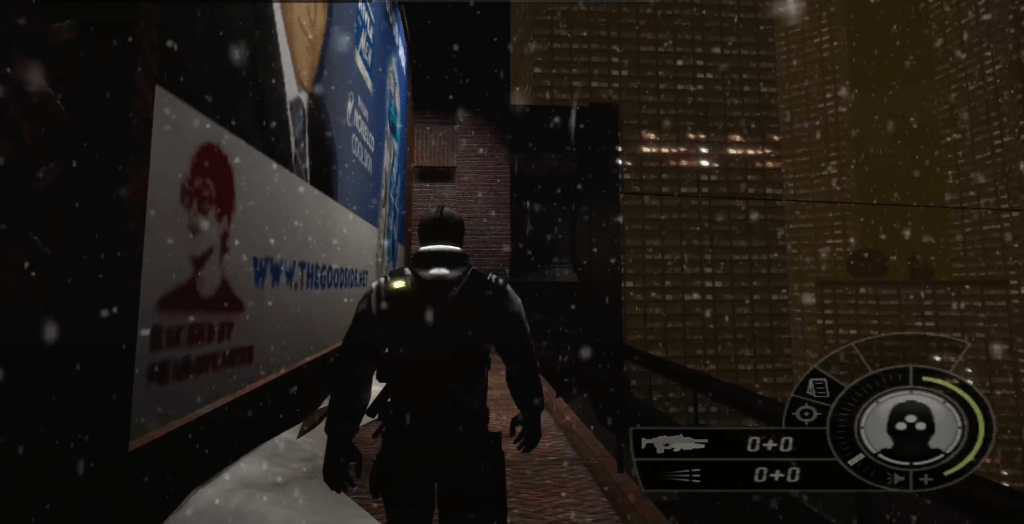
The opening cutscene for “New York City” ends with Sam’s cover being blown and the terrorists knowing he is coming to stop them. The small set-up is excellent with the already nervous terrorists now or high-alert about the traitor close by.
When Sam grabs enemies they cuss him out and fire off sarcastic insults, but the best interactions are when Sam has to deal with the friends he has made in the organisation. The first two characters that Sam has to kill are Sykes and Jamie.
Sykes is the tech nerd of the group, not a hardened terrorist like his comrades and he begs for his life and for Sam to let him escape. It’s rather uncomfortable to witness his desperation.
On the other side, Jamie was Sam’s ticket into the terrorist organisation, helping him break out of a prison in one of the earliest missions.
When Sam grabs Jamie here, Jamie believes they are still friends and that the boss, Emilie, is wrong. He tries to get Sam to be reasonable, but Sam has to break Jamie’s illusion that they are friends. Again, it’s uncomfortable to see Jamie’s convictions fall away as Sam must do what needs to be done.
Another terrorist member, Enrica, has begun a small romance with Sam throughout the game. They plant to run away together at the end, but another Splinter Cell agent kills her before they can go. Sam then kills the other agent in a fit of rage.
It’s a great character moment, of Sam stepping fully over the line, seeing the cool and collected spy we know break down, before fleeing into the darkness at the end of the game.
***
Splinter Cell: Conviction – Kobin’s Mansion
While Splinter Cell: Conviction is seen as a lesser game by hardcore fans due to its faster pace and focus on action rather than stealth, it still has its fair share of well-designed playgrounds of fun.
Late-game missions like Third Echelon HQ (where Sam has to infiltrate his old company) or the delightfully absurd finale in the White House are fun locations, but the best is actually the second level, “Kobin’s Mansion”.
Following the trail of his daughter’s killers, Sam with infiltrating a mansion in Malta that has been taken over by arms dealer and all-round scumbag Andriy Kobin.
Starting in the street outside, the level is reminiscent of levels like Georgia’s Old Town or Jerusalem from the first two games. Sam can recon around the mansion, finding the best entryway into the building, using a broken car-door mirror as a makeshift snake cam.
The mansion, having at one time been a fortress on the Valetta coast, is a perfect blend of old and new, glass panelling alongside Renaissance architecture. Exposed piping and inconsistent lighting fixtures allow Sam to slip by unseen, and his acrobatics are on full display as he climbs outside the building on numerous occasions to get the drop on enemy guards.
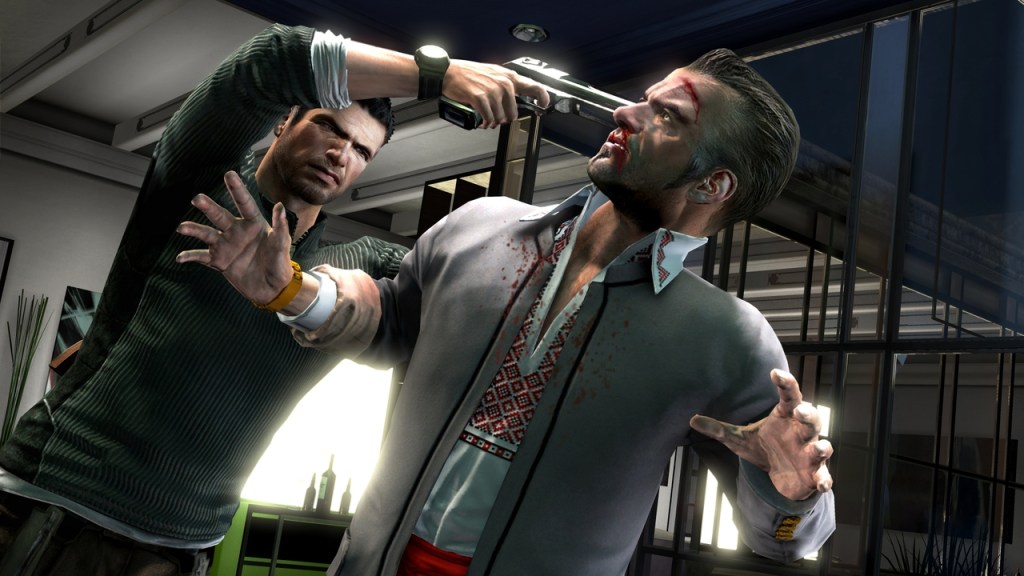
The final room where Kobin and his goons are waiting is great climax, with the best players being able to methodically take out the entire room in a few quick motions (bonus points for using the shotgun like John Wick) and then interrogating Kobin, smashing his head against a grand piano.
***
Splinter Cell: Blacklist – American Consumption
Splinter Cell: Blacklist was seen as a return to form for the series, bringing Sam Fisher back into the spy world as the head of the new “Fourth Ecehlon” team.
The story concerned itself with a new terrorist group called The Engineers, former spies that began waging a secret war against the United States, called The Blacklist.
The Blacklist is focussed on American interests, each with a name. “American Fuel” targeted a natural gas terminal, “American Freedom” focussed on travel links. The best mission, and best Blacklist attack is the first one; “American Consumption”.
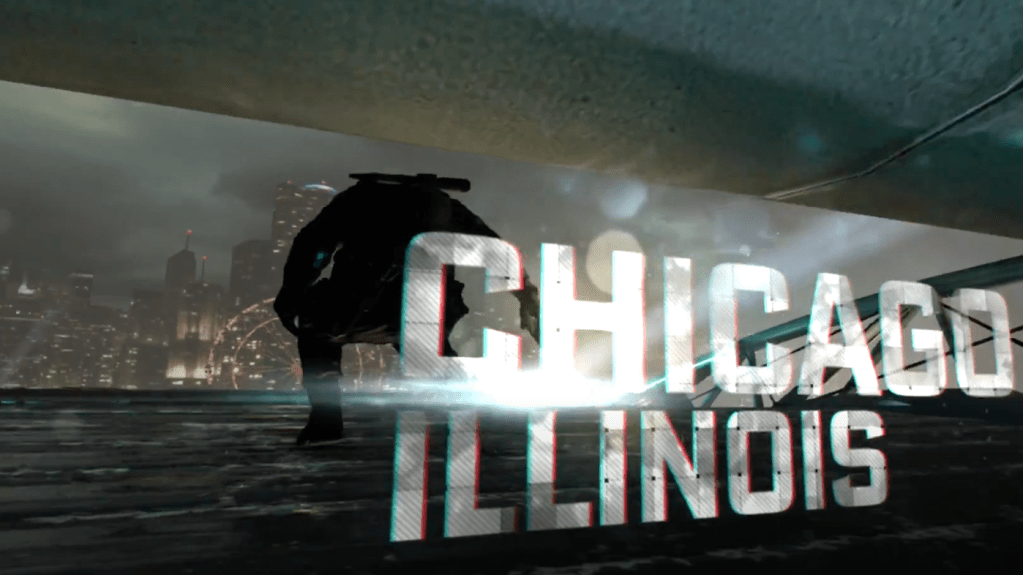
Terrorists have taken several hostages in a shopping mall and are negotiating with police, giving Sam enough time to slip in and stop the Blacklist attack.
It’s the first night-time mission of the game, with the shopping mall decorated for Christmas. Fairy lights dangle from beams, fake snow litters the ground, and a little wooden village has been set up in the main hall.
It’s the perfect playground for Sam, climbing across the rafters to avoid detection or sliding from gingerbread house to model train, hiding in the shadows and waiting for the bad guys to pass by.
Sam quickly saves the hostages being held, but feels the mission is too simple and obvious for the Blacklist.
Fourth Echelon do some quick research and realise that the shopping mall is next to the city’s water filtration station. The terrorists have taken over the station and are planning to dump chemical weapons into the city’s water supply (a nice twist on the meaning of “American Consumption”).
The filter station is a maze of ladders, walkways, and tunnels, with zero solid cover. Not to mention that the terrorists have positioned two chemical dumps at either end of the station, leading Sam to have to make a mad dash to stop both bombs in time.
Splinter Cell: Blacklist blended the faster pace of Conviction with design reminiscent of Chaos Theory, making “American Consumption” one of the best levels in the series.
Banner Photo Source: altarofgaming.com



 TOM CLEMENT | GAME PRODUCER | NARRATIVE DESIGNER