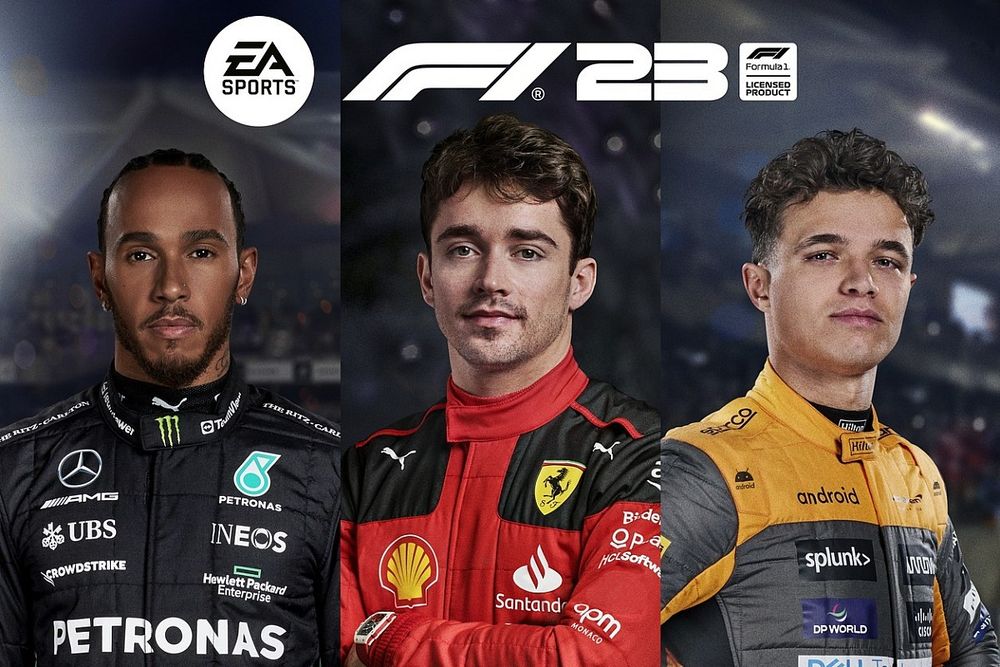
Formula 1: Drive to Survive, ridiculous subtitle aside, brought millions of new fans to F1, myself included.
The now multi-season Netflix series is sometimes mocked for its hyping of minor incidents and selective storytelling, but it is a thrilling look into the high speed and high drama that comes with the sport.
So naturally, I went and bought an F1 game.
Surviving the Drive – What 1000+ Hours with Guenther Steiner Looks Like
Racing games have always been a part of my gaming life.
I distinctly remember some of the first games I ever played were Gran Turismo 2 and Lego Racers on a PlayStation 1 (quite the opposite ends of the spectrum I must admit).
On the Nintendo 64, my days were spent switching from Mario Kart to Star Wars: Pod Racer (which recently got a remaster, which I thoroughly enjoyed).
As I graduated up to an Xbox 360 I had stints in Forza, Split/Second: Velocity and Pure.
And even amongst the PlayStation 4, I dabbled in Steep and the Crash Team Racing remaster.
So I had a background in racing from all genres and was looking for something to scratch that itch once more. And originally, I wasn’t going to go for F1.
I wanted the high speed and the iconic tracks, and I originally was going to go for the Wipeout Collection for PS4. I had played Wipeout before and had fun zooming around the courses and firing off rockets at other players.
But there was one thing missing that I was really yearning for…characters and a story.
Drive to Survive does an amazing job of creating a storyline each episode, focussing on different drivers, teams, and race courses, weaving them together into a satisfying narrative.
That’s what I was looking for in my racing game, a constant and emergent story that would develop as I would play.
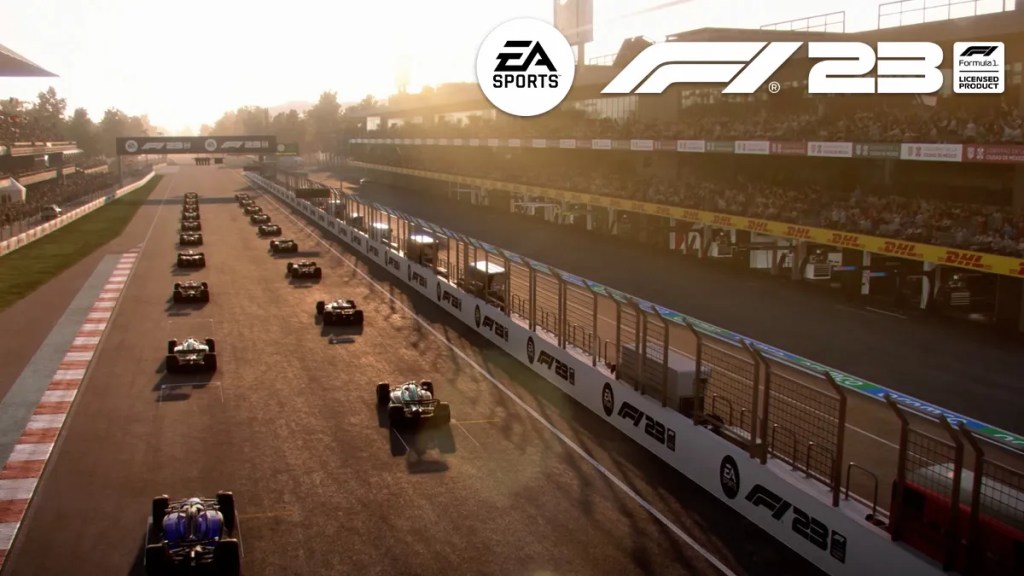
Pod Racer and Split/Second had something similar with its ever-growing cast of characters that you could choose from, with drivers having ‘favourite’ courses, but aside from their vehicle stats there wasn’t much to separate them from each other.
While I am bringing my knowledge from DtS with me, we as players get to see every driver multiple times in a single session. Through free practice, qualifying, then the starting grid where everyone’s faces are front and centre, and then finally seeing their abbreviated names on top of their cars, you get the sense that these are actual drivers, rather than just a name.
Depending on what car you are in and where you are on the grid, you will see the same names popping up around you, developing mini-rivalries as the races go on. People that I would support when watching races I became bitter enemies as they overtook me, and for the rest of the race I would be determined to beat them.
On top of these self-made rivalries, the game at certain points (in the guise of journalistic interviews) asks who you consider to be your rival. Points are given after every race, which your rival also gets.
Finishing on the podium obviously nets you more points, but also driving penalty free, getting the fastest lap in free practice, and so on allows you or your rival to advance quicker. It creates tense moments where you might not have the pace on track to beat them, but you can make up lost points in the aggregate. It’s a simple yet effective and I always had a thrill trying to beat my rivals.
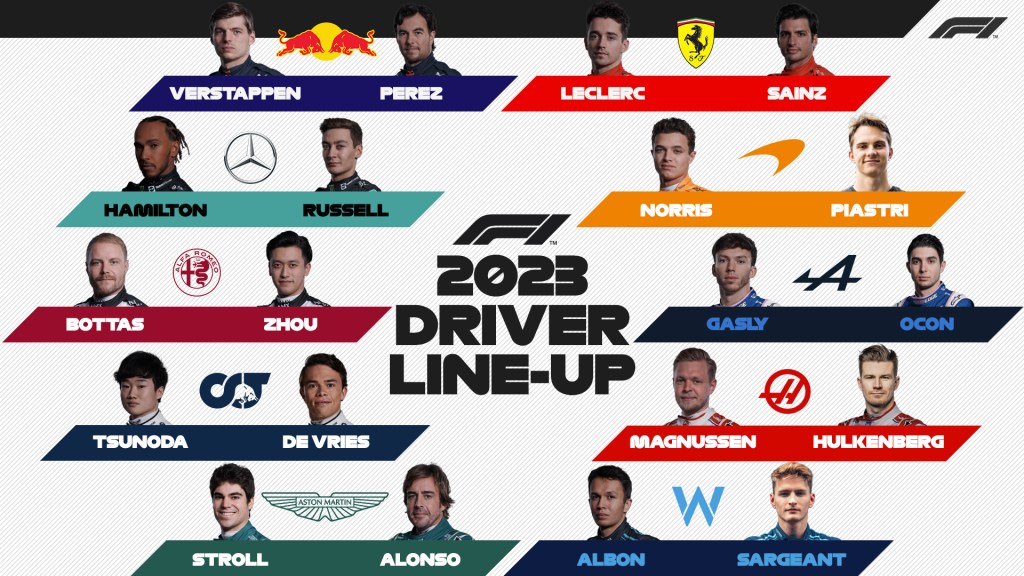
And beating them is quite hard. Accessibility is low on the game’s priorities, meaning you need to tweak and tinker to find the perfect set up. You have only just customised your driver avatar and chosen your team when the game throws a spreadsheet nightmare in your face of settings.
To be fair to the developers, nearly EVERYTHING is customisable.
Not just the aggressiveness of the other drivers, but the surface type, car damage, the damage rate, tyre temperature, pit lane entrance, pit lane exit…and that’s just the simulation settings.
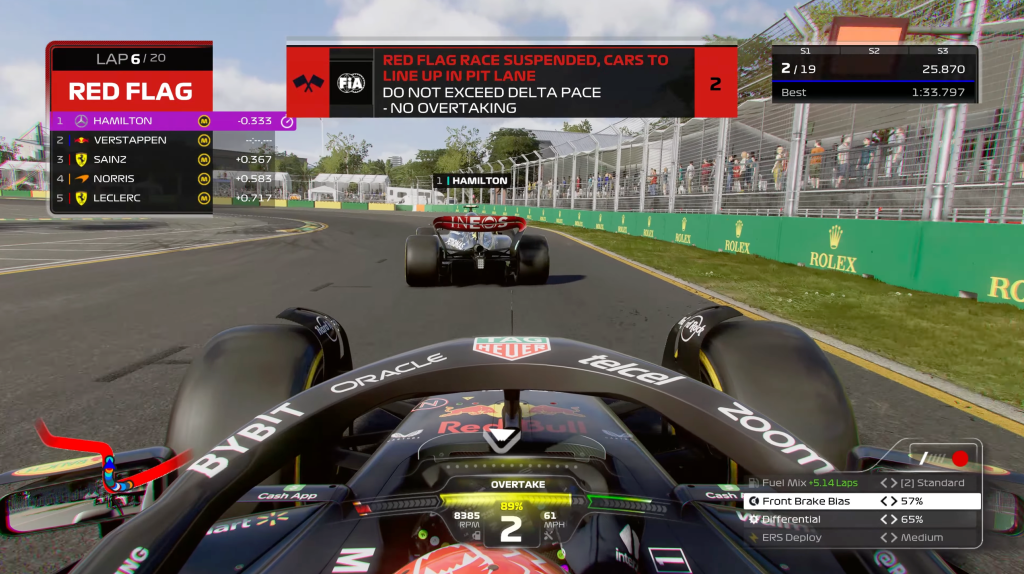
In Assists, there is steering and braking assists, anti-lock brakes and traction control, along with a whole myriad of changes. You can even adjust the dynamic racing line (where the game tells you where to brake and how hard), either in 3D or 2D, and having it only appear in the corners.
I admit I was a little daunted at first, so I set most things on and brought the difficulty down to “Easy” and entered Bahrain. I ended up winning by a good thirty seconds and knew I had to switch to a harder difficulty.
While other racing games I was always wanting to finish in 1st place, here I was fine with not always winning each race, partly because of the car I chose. Being a DtS fan, I went with the underdog, Haas.
The cars work on a tier system; the Red Bull and Ferraris can take corners better and reach faster speeds respectively, whereas teams like Williams and Haas usually fight for the bottom of the points, if not the bottom of the leaderboard.
But that comes at a cost. In Haas, the only requirement in the race is to beat my teammate. In Red Bull or Mercedes, they will expect a high points finish, with demotion or firing if you can’t deliver the team requirements.
But even in a slower, lesser powered car like Haas, the circuits are the main draw, and they are amazing.
These tracks are iconic, some having been used for over one hundred years for races, but each one does feel distinctly different, leading to a thrilling challenge each time the next race weekend comes around.
The game follows the actual race calendar of the season, starting in Bahrain and ending in Abu Dhabi. And while Bahrain is listed as “Easy” in the course selection, the second track, Jeddah, is listed as “Hard”.
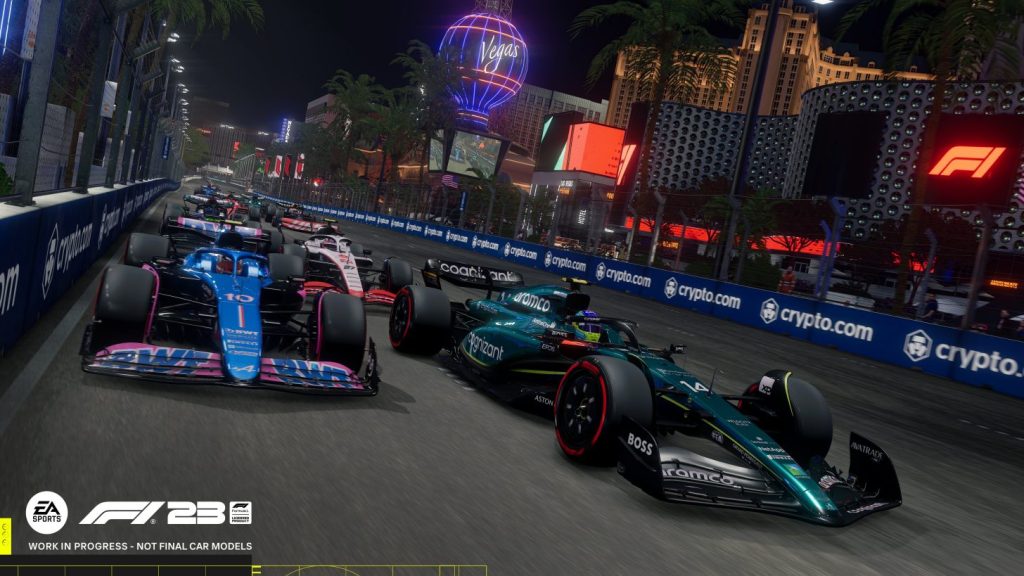
The game boots you from one end of the difficulty ranking to the other (including “Very Easy” and “Very Hard”), requiring even more time spent in the settings to make certain races bearable. I had to turn off damage completely at Monaco otherwise I wouldn’t have been able to finish the race!
But while the tracks can sometimes be intimidating, the game actually gives the player plenty of chances to get used to the next race.
First comes the Pirelli Hot Lap, a small challenge that actually takes place each race weekend. Using a souped-up sports car rather than an formula car, the challenge will be something like get the highest speed in one particular section of the course or pass through every gate within the time limit. It’s still low stakes, but it gets the player used to some of the corners.
Next comes free practice, allowing teams to test out certain builds or styles, seeing which gets them the best times. Then after is qualifying, and then finally the race. Depending on the length of the session, free practice and qualifying can be up to an hour.
And while there are mini-challenges to work on in practice such as driving to conserve fuel or tire management, it all serves in learning the corners and straights, until you feel ready enough to go for the race.
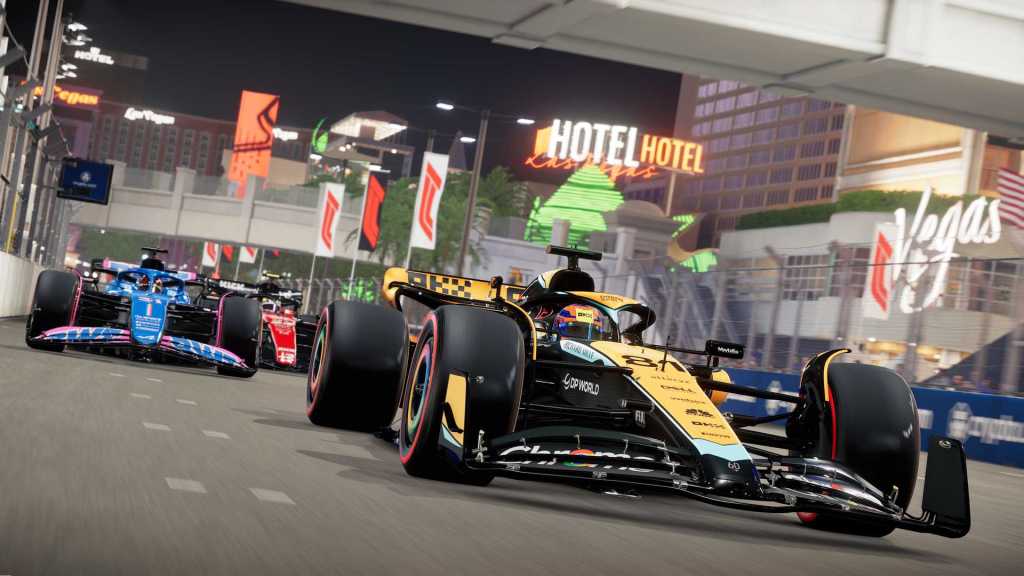
And racing has me hooked. Driving a car that can reaches nearly two hundred miles an hour on a straight, sliding round corners with ease, fighting for places amongst the grid, it just has a magical quality that can’t be matched.
Also, no need to worry if you crash, spin out, or even just take the corner a little off the line, the game has a very nifty instant replay editor, going back to around the last five or so seconds, allowing you to start again from anywhere within that five seconds so you can try that corner again and again until you get it right.
I will admit I am a frequent user of the instant replay, but nothing does beat getting around the course or that one tricky corner without using it, leaving that section of the course with a giant smile on my face.
And then you get used to the track, you remember the sequence of corners, what comes next, enjoying certain parts of the track, dreading others…and then it’s done and onto the next one.
It’s thrilling yet fleeting, ever-changing yet the same, and that’s why I’ve fallen in love with F1 22 and will continue long after my first season is over.
Banner Photo Source: motorsport.com
 TOM CLEMENT | GAME PRODUCER | NARRATIVE DESIGNER